The coffee machine in the breakroom of a mid-sized logistics firm in Ohio makes a specific, metallic groan when it’s nearing the end of its life. For Elias, a floor manager who has spent twelve years watching trucks leave the bay, that sound has become the rhythm of his anxiety. Every Thursday morning, before the sun has fully burned the mist off the asphalt, he checks his phone. He isn’t looking for sports scores or weather updates. He is looking for a number.
That number just landed: 211,000.
To a floor trader in Manhattan, 211,000 weekly jobless claims is a data point—a "beat" or a "miss" against expectations. To the Department of Labor, it is a metric of economic cooling. But to Elias, and to the thousands of people currently standing in the invisible line of the American unemployment office, it is a pulse check on a fever that refuses to break. We talk about "labor markets" as if they are weather systems, distant and indifferent. We forget that every single digit in that 211,000 is a human being sitting at a kitchen table, staring at a stack of bills, wondering if the war five thousand miles away just reached out and snatched their livelihood.
The Shadow of the Long War
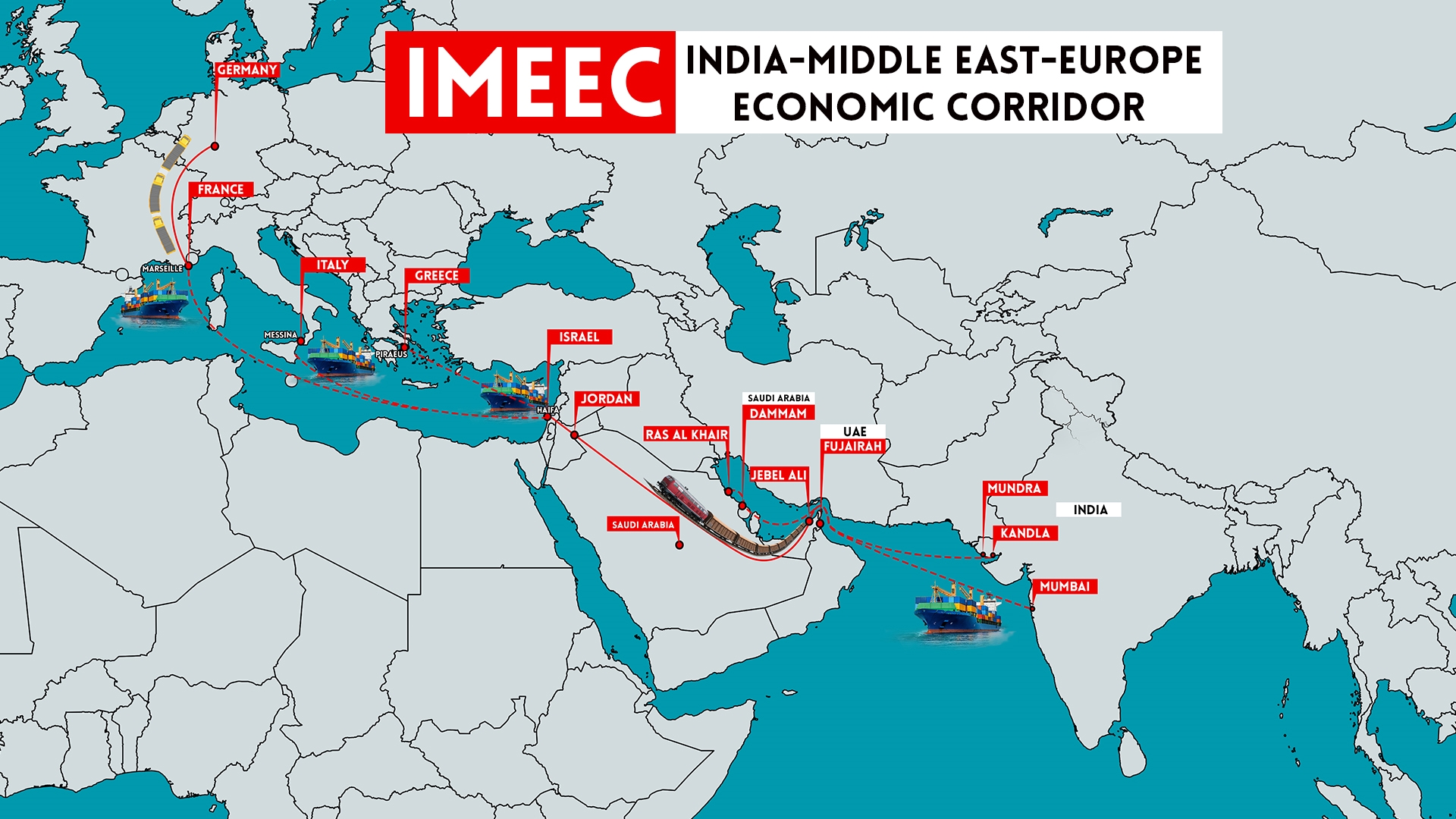
The conflict in Iran has become a permanent fixture of the evening news, a flickering backdrop of desert landscapes and tactical maps. It feels distant until you try to fill your gas tank or ship a crate of engine parts. The "war drag" is no longer a theoretical concept discussed in think tanks; it is the friction slowing down the entire machinery of global trade.
Supply chains are not just lines on a map. They are delicate glass threads. When a drone strike occurs in a distant strait or a corridor of commerce is shuttered due to regional instability, those threads snap. For a manufacturing plant in the Midwest, this translates to "input delays." For the person working the assembly line, it translates to a pink slip. The uncertainty doesn't just cloud the economic forecast—it paralyzes the hand that writes the paycheck.
Business owners are currently trapped in a psychological stalemate. On one hand, the domestic economy shows a stubborn, gritty resilience. Consumer spending hasn't cratered yet. But on the other hand, the cost of doing business is being squeezed by a geopolitical vice. When the future is illegible, the first instinct of any captain is to lighten the ship. That usually means letting go of the people who make the ship go.
The Arithmetic of Anxiety
Consider a hypothetical worker named Sarah. She isn’t real, but she represents a specific cohort of that 211,000. Sarah works in digital marketing for a firm that services high-end retail. She spent years hearing that her skills were "future-proof." Then, the energy costs spiked. The shipping containers got stuck. Her clients, fearing a prolonged regional war would eat their margins, slashed their advertising budgets to zero.
Sarah didn't lose her job because she was bad at it. She lost it because a conflict she barely understands made a CEO three states away feel "cautious."
This is the cruelty of the current economic moment. We aren't seeing a catastrophic collapse—not yet. Instead, we are seeing a steady, rhythmic erosion. Filing for jobless benefits has become a quiet, digital ritual. There are no 1930s breadlines to photograph. There is only the soft blue light of a laptop screen at 2:00 AM as someone fills out a government form, hoping the server doesn't crash.
The 211,000 figure is slightly higher than previous weeks, indicating that the "tight" labor market is finally starting to fray at the edges. Economists argue about whether this is a "soft landing" or the beginning of a slide. But "soft" is a relative term. If you are part of the 211,000, the landing feels like concrete.
The Invisible Stakes of the Forecast
Why does the war in Iran matter to a barista in Seattle or a coder in Austin? Because the global economy is a closed loop. We have spent thirty years building a world where "over there" doesn't exist. Everything is "right here."
When the war drags on, it creates a "risk premium." Banks become hesitant to lend. Startups find their funding rounds drying up. The ambitious expansion plan for a local bakery is shelved because the cost of flour and electricity is too volatile to predict. Each of these micro-decisions rolls up into a macro-economic reality.
The Federal Reserve sits in a marble building in Washington, D.C., trying to calibrate interest rates to fight inflation without killing the job market. It is like trying to perform surgery with a sledgehammer while the lights are flickering. They look at the 211,000 claims and see a sign that their "tightening" is working—that the economy is slowing down enough to stop prices from skyrocketing.
There is a dark irony here: the government is actively seeking a rise in these numbers to prove the economy is "stabilizing." Your misfortune is their evidence of success.
The Human Cost of "Resilience"
We hear the word "resilient" used constantly to describe the American worker. It is meant as a compliment, but often it functions as an excuse. By calling people resilient, we find it easier to ignore the toll that constant uncertainty takes on the human spirit.
Waiting for the weekly jobless claims is like waiting for a biopsy result for the entire country. Are we healthy? Are we dying? Or are we just living with a chronic condition that we’ve learned to manage?
The war in Iran isn't just about territory or oil; for the American worker, it’s about the erosion of the "known." We used to be able to plan five years out. Now, we plan five days out. The 211,000 people who filed for benefits this week are the first wave of those whose five-day plans just fell apart. They are navigating a system designed for a different era—a labyrinth of websites, phone queues, and eligibility requirements that feel like they were written in a foreign language.
The Breaking Point of the Narrative
There is a limit to how much "clouding" a forecast can take before people stop looking at the weather report entirely and just start building bunkers. We are seeing a shift in the American psyche. The optimism of the post-pandemic recovery has been replaced by a weary, defensive crouch.
When you look at the 211,000, don't see a bar chart. See the quiet conversations between partners about whether they can afford the good eggs this week. See the graduate student realizing their entry-level dream job just vanished into a hiring freeze. See the veteran mechanic who thought he was two years away from retirement, now wondering if he needs to learn a new trade.
The war drags on. The numbers climb. The forecast remains a murky gray.
Elias, the floor manager in Ohio, watches the last truck pull out of the bay. He knows that his company’s orders are down 15% because their primary supplier is caught in the logistical nightmare of the Middle East. He knows that his name could be in next week’s 211,000. He reaches out and turns off the groaning coffee machine, letting the silence of the warehouse settle around him like a heavy coat.
The numbers will come out again next Thursday. They always do. We will analyze them, debate them, and pivot our portfolios. But the ghosts of the 211,000 are already in the room, sitting in the empty chairs of offices and factories across the country, waiting for a peace that feels as distant as the stars.
The tragedy of a "clouded forecast" isn't the rain; it's the fact that you can no longer see the horizon.