The hand-wringing in Berlin and Brussels is reaching a fever pitch. Washington is pulling 5,000 troops out of Germany, and the pundits are treating it like the end of the Western world. They call it a "rift." They call it "abandonment." They claim the sky is falling because a few thousand soldiers are shifting zip codes.
They are wrong.
The standard narrative—that American troop presence is the sole glue holding the Atlantic alliance together—is a relic of 1955 that ignores the cold, hard math of modern warfare and the psychological dependency of the European Union. Removing these troops isn't a strategic failure; it is the long-overdue shock therapy Europe needs to stop acting like a protectorate and start acting like a power.
The Myth of the Tripwire
For decades, the "tripwire" theory has dominated geopolitical circles. The idea is simple: keep enough American boots on German soil so that any aggression forces the U.S. into a conflict. It’s a comfort blanket for a continent that has spent seventy years outsourcing its backbone to the Pentagon.
But let’s look at the actual numbers. In a high-intensity conflict involving modern long-range precision fires and rapid mobilization, 5,000 troops are a rounding error. They aren't a defense force; they are a political statement. When critics argue that this withdrawal "weakens" the front, they are admitting that European defense is a house of cards that collapses if one floor of a barracks is emptied.
If 5,000 soldiers represent the difference between security and catastrophe, Germany—the largest economy in Europe—has failed its most basic duty of statehood. I’ve seen diplomats sweat over these troop rotations for years, treating every humvee like a sacred relic. It’s time to admit that the "security" provided by these specific units was always more about keeping German defense budgets low than keeping adversaries out.
Iran is the Symptom Not the Cause
The competitor press is obsessed with the idea that this move is a petty retaliation for disagreements over Iran. This is a shallow reading of a much deeper structural shift. Yes, the rift over Iran is real. Washington wants maximum pressure; Berlin wants trade and the JCPOA.
However, using troop counts as a scorecard for diplomatic agreement is a loser's game. The real driver here isn't a tantrum over Tehran; it's the pivot to the Indo-Pacific. The U.S. military is currently overextended, trying to maintain a Cold War footprint in Europe while simultaneously gearing up for the maritime challenges of the next century.
Germany is no longer the "front line." The front line has shifted east and south. Keeping a massive, static force in the center of a peaceful continent while the rest of the world catches fire is a strategic malpractice that no one in the "establishment" wants to acknowledge. They’d rather complain about a "rift" than admit the U.S. is finally prioritizing its own national interests over German convenience.
The German Defense Budget Shell Game
Let’s talk about the 2% GDP target. For years, Berlin has treated the NATO spending goal like a polite suggestion rather than a treaty obligation. They’ve played a clever shell game, counting everything from pension funds to "dual-use" infrastructure as defense spending, all while their fighter jets are grounded for lack of spare parts.
By keeping 35,000+ troops in Germany, the U.S. has enabled this negligence. We have become the "enabler" in a toxic relationship. Why would the German taxpayer fund a mechanized division when they can just let the Americans pay for the local economy in Stuttgart and Kaiserslautern?
- Fact: Germany’s current readiness levels are an open joke among NATO planners.
- Fact: The Bundeswehr has struggled to field a single fully equipped brigade for rapid response.
- Fact: Domestic politics in Germany prioritizes social spending over the hard reality of territorial defense because they assume the U.S. will never actually leave.
Pulling these 5,000 troops is the first time the U.S. has shown a hint of follow-through. It’s the equivalent of a parent finally telling a 35-year-old child to move out of the basement. It’s uncomfortable, it’s messy, and it’s absolutely necessary for the child’s survival.
Logistics vs. Sentiment
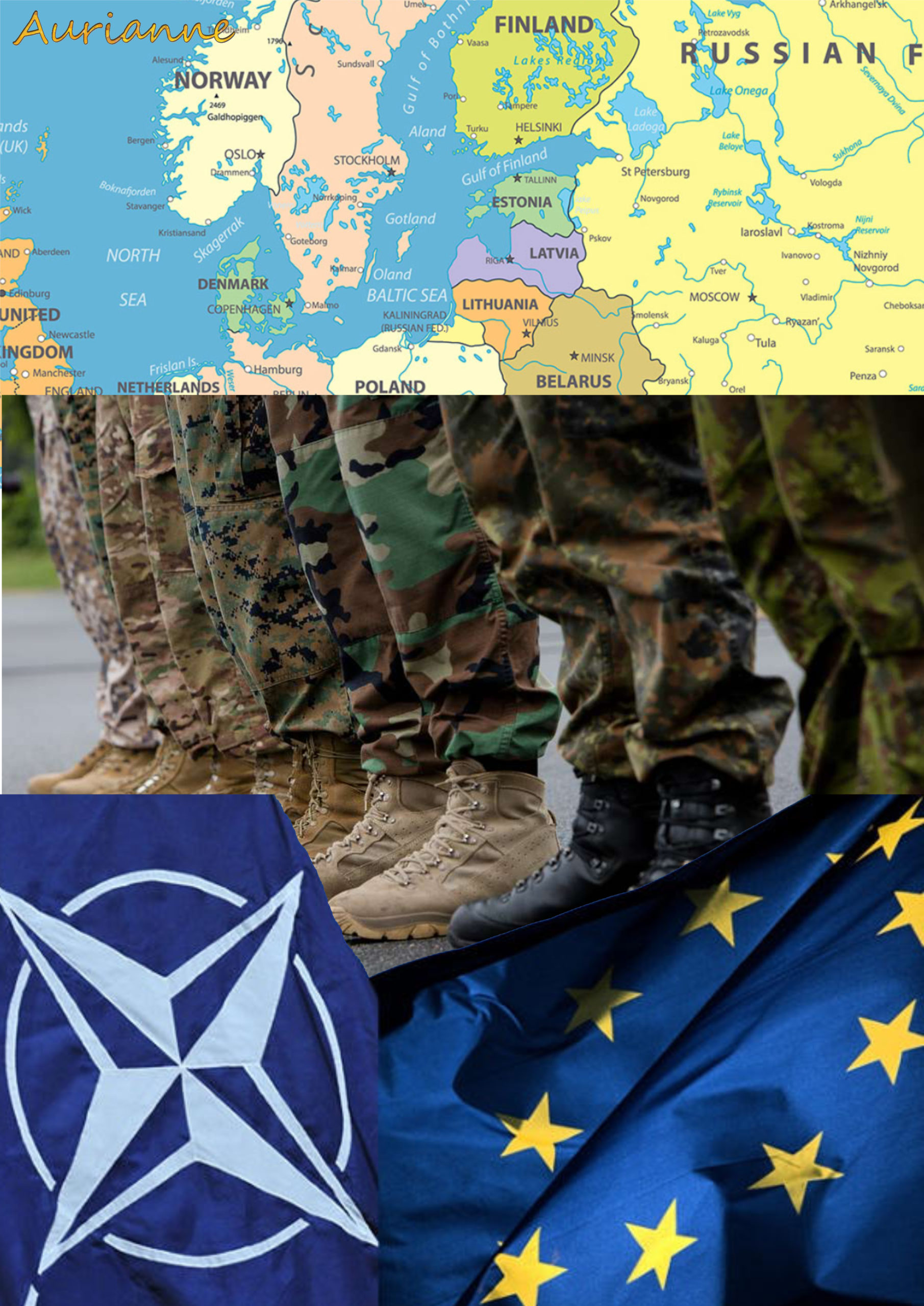
If you want to understand the military reality, ignore the op-eds and look at the map. Forces stationed in Germany are often there for "lifestyle" reasons and legacy infrastructure. Moving units closer to the actual points of tension—like Poland or the Baltics—makes more tactical sense.
The critics argue that moving these troops elsewhere in Europe is "provocative." This is a classic case of the "lazy consensus." They want the troops to stay in Germany because it’s safe and quiet, not because it’s where they are most effective.
Moving troops isn't a withdrawal from Europe; it's a redistribution of assets. If Washington moves these forces to Poland, it isn't "abandoning" the alliance—it’s actually strengthening the flank that matters. But Berlin hates this because it signals a shift in the center of gravity. Germany wants to be the indispensable hub of Europe without having to provide the military muscle to justify that status.
The Sovereign Opportunity
The most counter-intuitive part of this entire saga is that this is actually a massive opportunity for European leaders. For the first time in a generation, the "European Strategic Autonomy" talk has to become more than a PowerPoint presentation in Paris.
When the U.S. pulls back, Europe is forced to fill the vacuum. This creates a demand for a unified European procurement strategy, a real command structure, and a serious conversation about nuclear deterrence that doesn't just rely on the "American umbrella."
If Europe wants to be a third pole in a tri-polar world alongside the U.S. and China, it cannot do so while crying over the loss of a few battalions in Bavaria. Sovereignty isn't given; it’s taken. And it’s usually taken when the previous protector walks out the door.
The Cost of the Status Quo
Staying the course is the truly dangerous option. A stagnant military presence that doesn't reflect the geopolitical reality of 2026 breeds resentment in the U.S. and complacency in Europe.
I’ve watched as American voters grow increasingly frustrated with "forever bases" that seem to serve no purpose other than subsidizing the defense of wealthy allies who actively oppose American foreign policy. If the "rift" over Iran is so wide that the alliance is supposedly "shattered" by a 15% reduction in force, then the alliance was already dead. You don't save a marriage by staying in separate bedrooms just because you've lived in the house for forty years.
Stop asking "Why is Washington leaving?" and start asking "Why is Germany still unable to defend itself?"
The premise of the question is the problem. We aren't witnessing a collapse of security; we are witnessing the overdue death of an obsolete arrangement. The 5,000 troops are just the beginning of a rebalancing that should have happened in 1991.
Germany is a grown-up nation. It’s time it started acting like one. If a small troop reduction is enough to "shatter" the bond between Washington and Berlin, then there was nothing left to shatter in the first place.
Build your own tanks. Fund your own divisions. Secure your own borders.
The era of the American blank check is over.