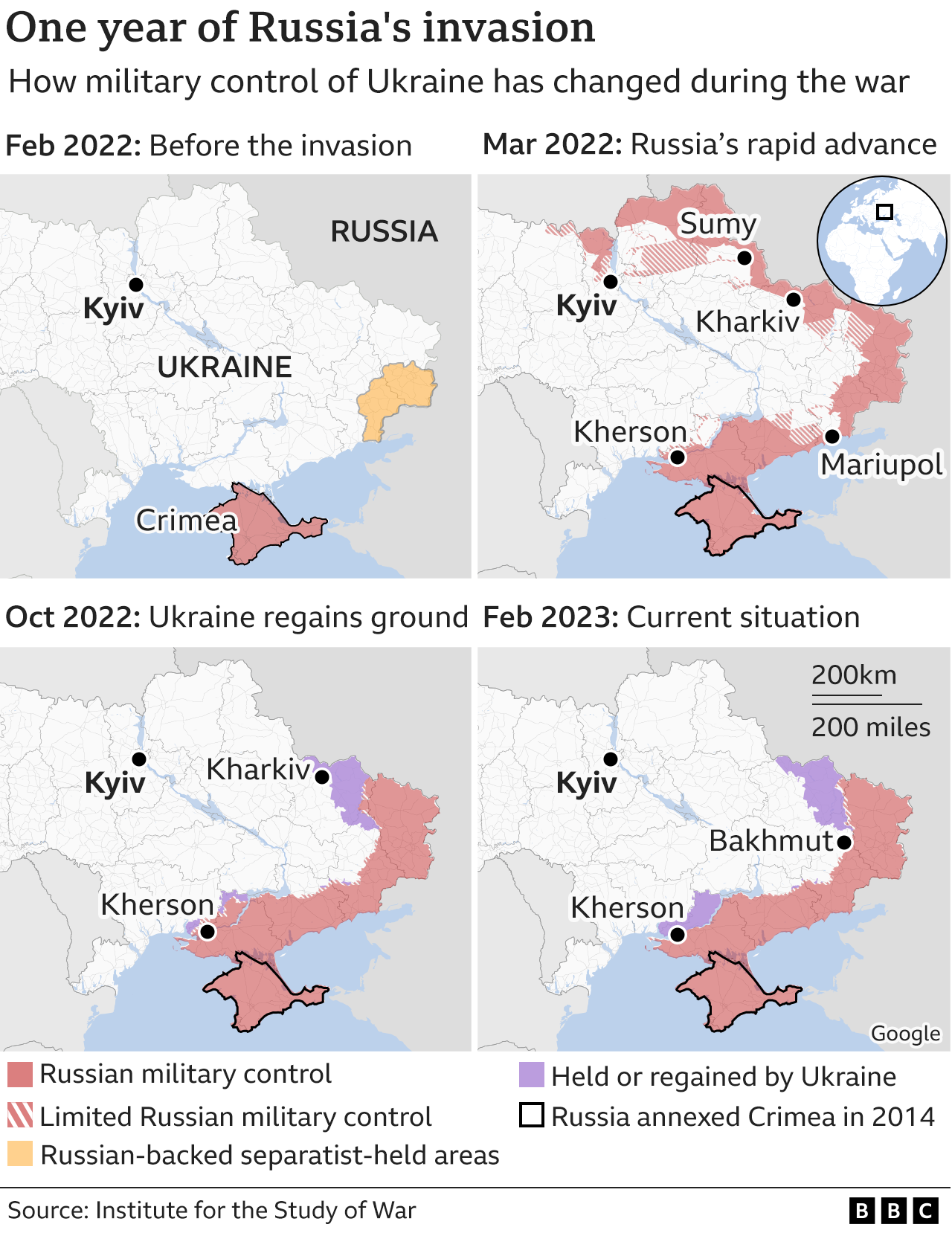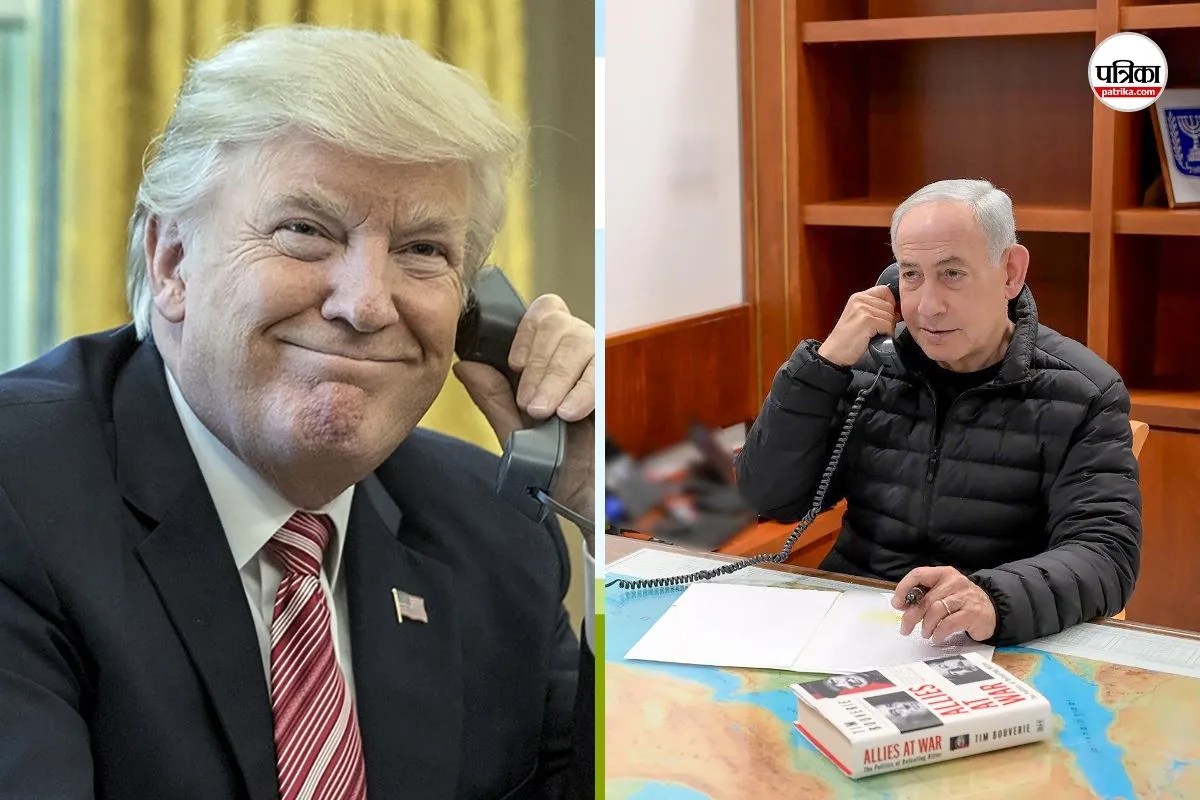
On April 29, 2026, the secure lines between Washington and Moscow remained open for 90 minutes. This was not a routine check-in. It was a high-stakes negotiation between Donald Trump and Vladimir Putin that touched on the two most volatile flashpoints of the decade: the escalating war involving Iran and the five-year-old stalemate in Ukraine. While official statements from the Kremlin and the White House offer the usual veneer of "businesslike" diplomacy, the underlying mechanics of this conversation reveal a desperate attempt to manage multiple crises that have pushed global energy markets and military alliances to their breaking point.
Trump confirmed the length and tone of the call shortly after, describing it as a "very good conversation." However, behind the pleasantries lies a complex web of demands. Putin used the call to explicitly warn against any U.S. ground invasion of Iran, labeling such a move as "dangerous" for the entire international community. This wasn't just a neighborly warning. Russia has deep-seated interests in maintaining Iranian stability as a counterweight to Western influence in the Middle East, even as Moscow itself struggles to maintain the "strategic initiative" on the front lines in Ukraine.
The Iran Nuclear Gambit
The most striking revelation from the call is Putin’s offer to take custody of Iran’s buried uranium. This proposal aims to solve the nuclear deadlock that has persisted through sixty-two days of active conflict. By positioning Russia as the guarantor of Iran's nuclear material, Putin is attempting to insert Moscow into the center of the Middle East peace process, a role that the U.S. has traditionally tried to monopolize.
Trump’s response was characteristically blunt. While he welcomed the idea of a nuclear-free Iran, he signaled that Russia’s primary responsibility should remain the resolution of the war in Ukraine. The U.S. is currently balancing a delicate ceasefire with Tehran while facing demands for $270 billion in war reparations and the release of $20 billion in frozen Iranian assets. For Trump, the goal is simple: get a deal, get it fast, and avoid a ground war that would inevitably drain American resources and political capital.
The Victory Day Truce
Transitioning to the European theater, the leaders discussed a proposed temporary ceasefire in Ukraine to coincide with May 9, Russia’s Victory Day. This holiday, commemorating the end of World War II, holds immense symbolic value for Putin, especially this year as the Russian military prepares for a slimmed-down parade in Moscow due to the threat of drone strikes.
- The Russian Narrative: Putin claims his forces hold the initiative and blames the "Kyiv regime" for prolonging the conflict with European support.
- The American Stance: Trump has expressed support for the holiday truce, framing it as a shared victory over Nazi Germany. This alignment of rhetoric is a significant shift from previous administrations and suggests a willingness to find common ground, even if the "gap between Moscow and Kyiv remains wide."
This ceasefire is more than just a pause for celebrations. It is a trial balloon for a broader peace agreement. If a truce can hold for 24 hours in May, it provides the diplomatic scaffolding for a more permanent settlement that Trump has repeatedly promised his electorate.
Energy Markets and Economic Realities
The geopolitical maneuvering isn't happening in a vacuum. OPEC is currently in "crisis mode" as the energy shock from the Persian Gulf conflict ripples through the global economy. The Strait of Hormuz remains a primary concern, with disruptions there threatening to send oil prices to levels that could derail any domestic economic recovery in the United States.
During the call, both leaders reportedly discussed "broad prospects for mutually beneficial projects" in energy and economics. This is a subtle reminder that despite the sanctions and the rhetoric of war, the underlying drivers of this relationship remain rooted in the hard realities of resource management. Russia needs a way back into the global financial system, and the U.S. needs stable energy prices to prevent a political backlash at home.
The White House Pressure Cooker
The timing of this call is also notable following a security incident at the White House press dinner. Putin reportedly expressed his support to Trump following what was described as an attempted assassination or security breach. This personal touch adds a layer of "strongman" camaraderie to the proceedings, one that bypasses traditional State Department channels.
The strategy is clear. Trump is leaning into personal diplomacy to solve issues that have stumped traditional diplomats for years. He is betting that his relationship with Putin can yield results in Tehran and Kyiv simultaneously. It is a high-risk, high-reward approach that ignores the standard playbook of institutional foreign policy.
The reality on the ground, however, remains stubborn. In Lebanon and Gaza, the conflict continues to deepen, and in Ukraine, the "line of contact" remains a meat grinder. A 90-minute phone call can shift the tone, but it cannot immediately erase the structural animosities and territorial ambitions that started these wars. The world is watching to see if this "Shadow Summit" is the beginning of a new global order or just another temporary pause before the next inevitable escalation.