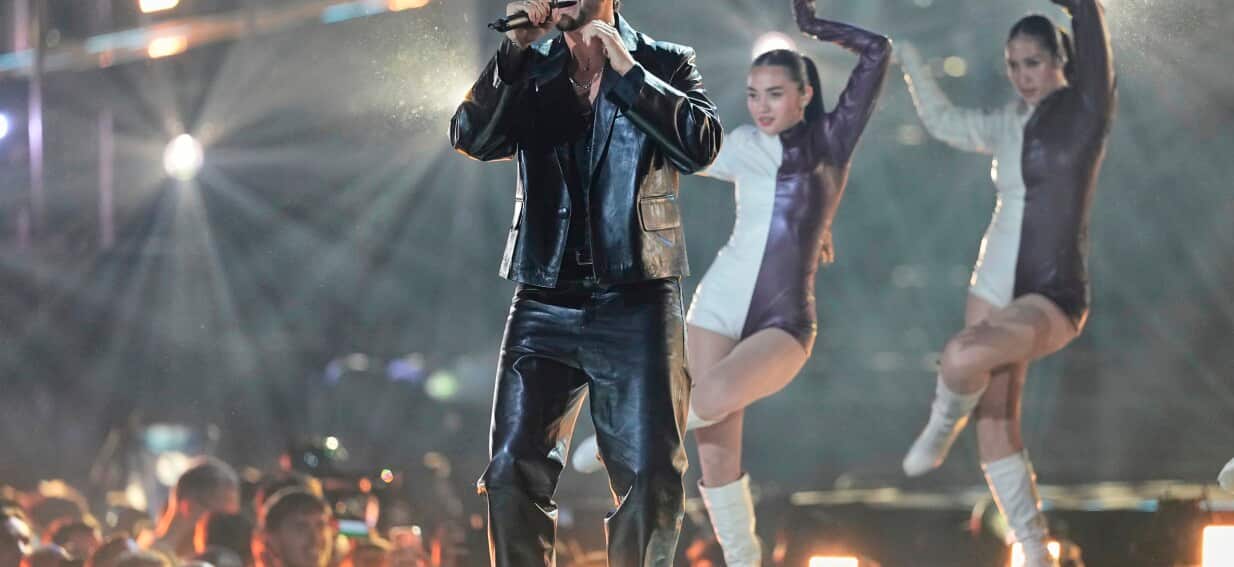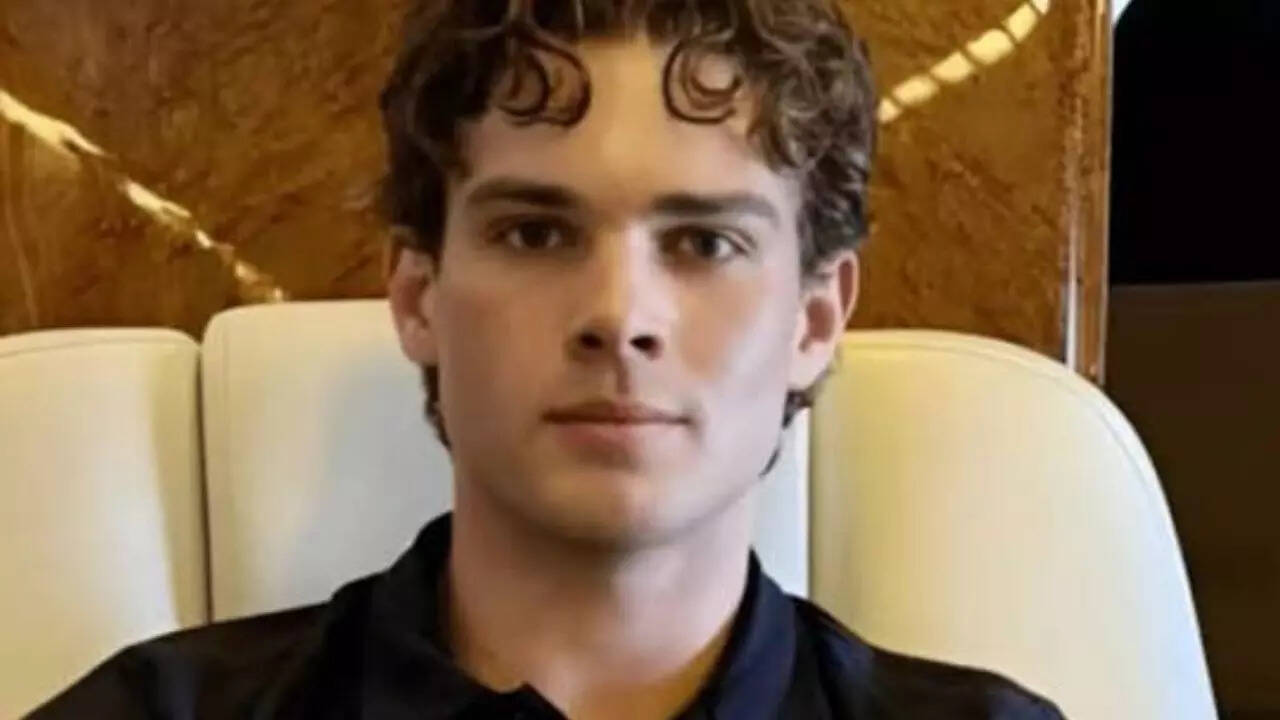
The friction between Kick streamer Clavicular and Arizona State University (ASU) fraternity leader Varis provides a case study in the breakdown of informal influencer agreements. While the public discourse focuses on personality conflict, the structural failure stems from a misalignment of legal expectations versus social execution. The validity of a Non-Disclosure Agreement (NDA) hinges on specific elements: offer, acceptance, consideration, and a defined scope. When these elements are obscured by the chaotic environment of a live broadcast, the legal "meeting of the minds" dissolves, leaving both parties in a state of high-risk ambiguity.
The Consideration Problem in Influencer Contracts
A contract is not legally binding without consideration—a value exchanged between parties. In the dispute involving Clavicular’s visit to the ASU fraternity house, the validity of the alleged NDA rests on what Varis or the fraternity provided in exchange for the streamer's silence.
- Access as Consideration: If the streamer signed a document to gain entry to a private residence, the access itself serves as the consideration.
- Reputational Protection: If the agreement was one-sided (protecting only the fraternity) without a reciprocal benefit or monetary payment to the streamer, the contract faces a "lack of consideration" challenge in many jurisdictions.
- The Duress Variable: Contracts signed under immediate social pressure or as a condition of exiting a location can be argued as signed under duress, though this is a high bar to prove in civil litigation.
The dispute highlights a recurring bottleneck in the creator economy: the "handshake deal" vs. the "litigation-ready document." Varis’s claim of strict contract terms suggests an attempt to professionalize a social interaction, but the efficacy of such terms is neutralized if the signing process does not follow standard procedural due diligence.
Structural Analysis of the Varis Allegations
Varis alleges that Clavicular signed an agreement with specific, high-stakes penalties. To analyze the probability of these claims holding weight, we must deconstruct the three pillars of a high-tier NDA:
The Scope of Confidentiality
A legally robust NDA must define exactly what information is protected. Generic terms like "everything that happened tonight" are often deemed overbroad and unenforceable. Courts generally require specific categories, such as proprietary business practices, private medical information, or specific financial data. In the context of a fraternity party, defining "confidential information" becomes a moving target. If the events were captured on a live stream before the agreement was enacted, the information entered the public domain, effectively nullifying the confidentiality of those specific segments.
The Liquidated Damages Clause
Reports indicate the contract included significant financial penalties for breaches. In contract law, these are known as liquidated damages. For these to be enforceable, they must be a reasonable estimate of the actual harm caused by a breach, rather than a "penalty" designed to punish. If a fraternity leader sets a $50,000 fine for a leak that causes no quantifiable financial loss to the organization, a judge is likely to strike the clause as an unenforceable penalty.
The Identification of Parties
A significant point of failure in "influencer-on-the-fly" contracts is the misidentification of the legal entities involved. If the contract was between "Varis" (an individual) and "Clavicular" (a stage name), rather than the legal corporate entities or birth names of the individuals, the document’s enforceability drops. Professional streamers typically operate through an LLC or S-Corp; failing to bind the entity instead of the individual creates a loophole where the individual can claim they were not acting in a personal capacity.
The Mechanism of Doubt: Why the Public Questions the NDA
The skepticism surrounding Clavicular’s NDA claim is driven by the chronological sequence of events. Information theory suggests that once data is disseminated, its value as "confidential" hits zero.
- The Transmission Gap: Clavicular was streaming live. Any agreement signed after the broadcast began cannot retroactively protect information already viewed by thousands of concurrent spectators.
- The Witness Variable: In a crowded fraternity environment, the "reasonable expectation of privacy" is diminished. For an NDA to hold, the environment must be controlled. If dozens of non-signatories witnessed the same events, the streamer’s specific silence becomes irrelevant to the protection of the information.
- The Performance Contradiction: Varis’s public discussion of the contract terms creates a paradox. By revealing the "strict terms" of a confidential agreement to the public, the party seeking to enforce confidentiality often inadvertently waives their right to claim the matter is private.
Operational Risks for Streamers in Private Spaces
Streamers like Clavicular operate in a high-velocity content environment where the legal "surface area" for friction is immense. The ASU incident illustrates a specific failure in risk management.
The Trespass-to-Contract Pipeline
When a streamer enters private property, they transition from a public figure to a "licensee." This license to be on the property can be revoked at any time. If the host conditions the continuation of that license on the signing of an NDA, the streamer faces a binary choice: sign or leave. The tactical error often made by creators is signing the document to "save the content" without a "redline" phase—the process of editing out egregious or predatory clauses.
The Burden of Proof
In the event of a lawsuit, the burden of proof lies with the party claiming a breach (Varis/the fraternity). They must prove:
- A valid contract existed.
- A specific, protected piece of information was disclosed.
- The disclosure directly caused a quantifiable loss.
The difficulty in proving "quantifiable loss" for a social organization like a fraternity makes these NDAs more of a psychological deterrent than a legal weapon.
The Economic Incentive for "Strict" Contracts
Why would a fraternity leader like Varis insist on professional-grade legal documents for a social visit? The answer lies in the protection of the "Brand Equity" of the organization. Fraternities at major universities like ASU operate under intense scrutiny from university administration and national chapters. A single viral clip of a policy violation (hazing, alcohol infractions, or conduct unbecoming) can lead to the immediate dissolution of the chapter—a loss of assets often valued in the millions of dollars when real estate is factored in.
From a consultant’s perspective, the "NDA" is a hedge against organizational death. However, using a streamer as the vehicle for this hedge is inherently flawed. Streamers are incentivized by "clout" and "engagement," which are fundamentally at odds with the "secrecy" and "discretion" required by a strict NDA.
Forensic Evaluation of the Alleged Document
If the document exists as described by Varis, its structural integrity likely suffers from three fatal flaws common in amateur-led legal drafting:
- Vagueness of Duration: Many amateur NDAs fail to specify an end date. "Forever" is rarely enforceable in a social context.
- Lack of Carve-outs: Valid NDAs must allow the signer to disclose information if subpoenaed or if reporting a crime. If the Varis contract lacked these "carve-outs," it could be argued as against public policy.
- The Unconscionability Factor: If the terms are so one-sided that they "shock the conscience" of the court, they are voided. Requiring a streamer to hand over their entire broadcast's revenue as a penalty for a single mention of a location would likely meet this threshold.
Strategic Play: The Resolution Path
To mitigate the fallout of this dispute, both parties must shift from a posture of public posturing to a formal legal "Standstill Agreement."
Clavicular should immediately move his communications to a legal representative to avoid "spontaneous admissions" on stream that could be used to prove he acknowledged the contract's validity. Varis, conversely, must cease public descriptions of the contract's specific terms. In the eyes of a court, the more a party talks about their "secret" contract, the less they appear to value the confidentiality they claim to be protecting.
The long-term play for influencers is the adoption of a "Standard Appearance Release" that they carry themselves. By providing their own terms of engagement before entering a private space, they flip the power dynamic, ensuring that any confidentiality requirements are negotiated on their terms, rather than forced upon them at the door of a fraternity house.