British farmers are currently trapped in a brutal cycle that’s draining the life out of the countryside. You’ve likely seen the headlines about milk prices or the protests in London. But the reality is much bleaker than a few angry tractors on the evening news. The UK agricultural industry is facing a systemic collapse where the people producing our food often can't afford to feed themselves.
It's a bizarre, tragic irony. We’re living in a country where the cost of a pint of milk in the supermarket has climbed, yet the dairy farmer producing it is frequently paid less than the cost of production. It’s not just about "market forces." It’s about a rigged system of supermarket dominance, post-Brexit subsidy chaos, and a government that seems more interested in trade deals with the other side of the world than protecting its own soil.
If you think this only affects people in muddy boots, you’re wrong. This is about national food security. It’s about whether you’ll have access to high-quality British produce in five years or if we’ll be entirely reliant on imports with lower welfare standards.
The supermarket squeeze is killing the family farm
Supermarkets in the UK hold an almost terrifying amount of power. The "Big Four" dictate terms that would make any other business owner sprint for the exit. They demand consistency, volume, and rock-bottom prices. Farmers often have to sign contracts that don't even guarantee a fixed price, leaving them at the mercy of global commodity shifts while the retailer’s margin remains protected.
Take the dairy sector. In recent years, the cost of fertilizer, energy, and feed skyrocketed. Did the price paid to farmers keep pace? Rarely. Many are losing several pence on every single liter of milk they produce. You can only run a business at a loss for so long before the bank comes calling. For many multi-generational farms, the "fix" isn't just a financial hurdle. It’s a total erasure of their heritage.
The Groceries Code Adjudicator is supposed to stop the worst abuses, but it’s often a toothless tiger. Farmers are terrified to speak out or complain. Why? Because if a major supermarket delists you, your business dies overnight. It’s a culture of fear that keeps the shelves stocked with cheap food at the expense of the people growing it.
The Brexit subsidy vacuum
Before Brexit, the Common Agricultural Policy (CAP) provided a safety net. It wasn't a perfect system—far from it—but it kept farms afloat. Now, we have the Environmental Land Management schemes (ELMs). On paper, paying farmers to protect the environment sounds great. Who doesn't want more hedgerows and cleaner rivers?
The problem is the execution. The transition has been a mess. The old payments are being phased out faster than the new ones are being rolled out. More importantly, you can’t eat a hedgerow. By shifting the focus entirely to "public goods" like carbon sequestration, the government is essentially telling farmers they’re now park keepers rather than food producers.
If a farm isn't profitable as a food-producing entity, it won't survive to look after the environment anyway. We’re seeing a massive sell-off of land to corporations looking for "carbon credits." This isn't saving the planet. It’s greenwashing that displaces local food production and replaces it with corporate balance sheets.
Trade deals are the final insult
While UK farmers are told they must meet some of the highest animal welfare and environmental standards in the world, the government is busy signing trade deals that allow imports from countries that don't follow those rules. The Australia and New Zealand trade deals are prime examples.
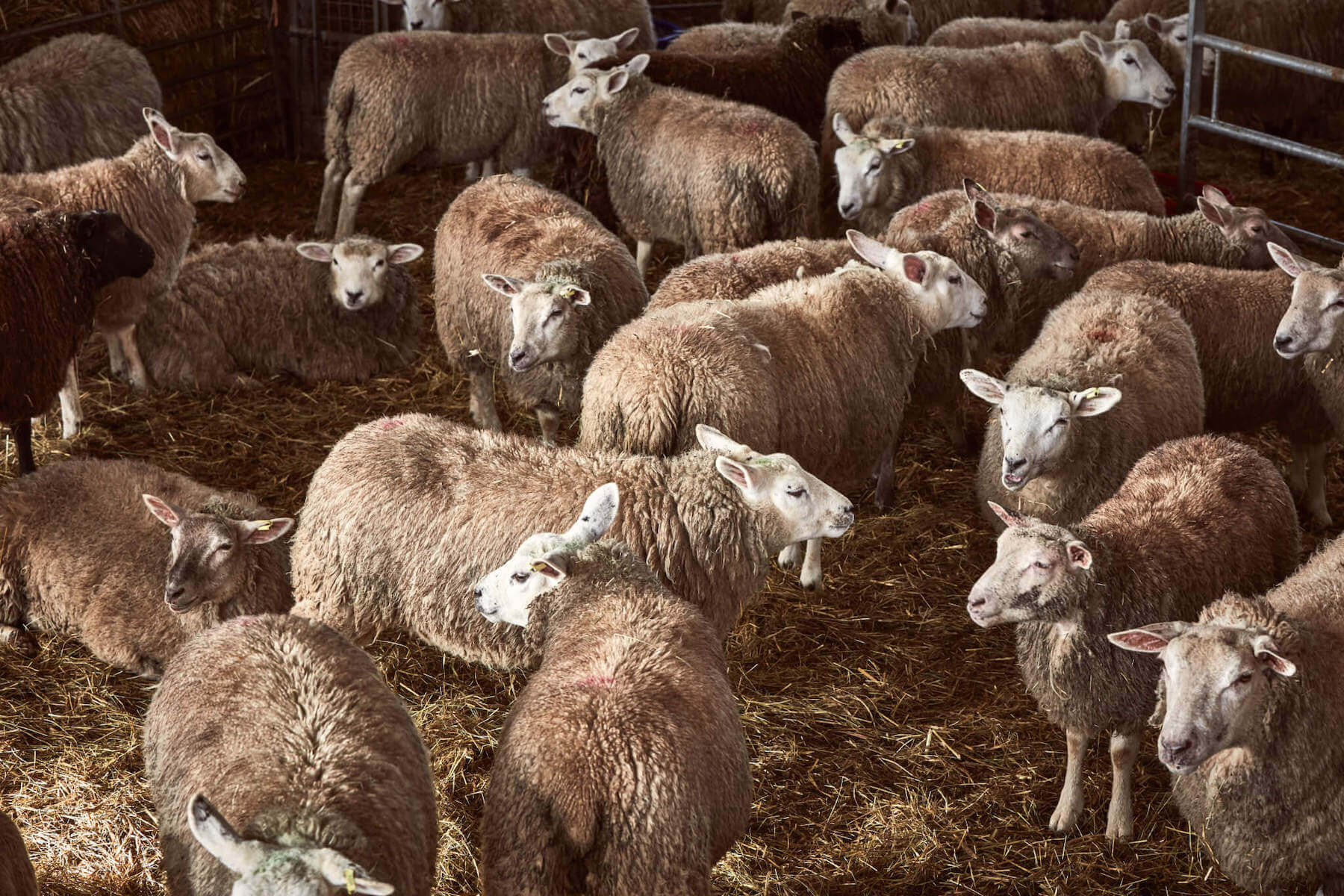
British beef and lamb farmers are being asked to compete with massive industrial operations that use hormones or stocking densities that are illegal here. It’s a race to the bottom. If you make it more expensive to produce food at home through regulation, but then allow cheap, lower-standard imports to flood the market, you aren't "raising standards." You’re just exporting your environmental footprint and destroying your domestic industry.
It’s a slap in the face. Farmers are told they’re essential during a crisis, then treated as an inconvenient line item during trade negotiations.
The mental health crisis in the fields
We need to talk about the human cost. Farming has one of the highest suicide rates of any profession in the UK. Isolation is a huge factor, sure. But the crushing weight of debt and the feeling that the country doesn't value your work is the real killer.
Imagine working 14 hours a day, seven days a week, in all weathers, only to see your bank balance go deeper into the red every month. You’re the fourth or fifth generation on that land. You feel like the failure who lost the family legacy. That kind of pressure is unbearable. Organizations like the Royal Agricultural Benevolent Institution (RABI) are seeing record demand for their services. This isn't just a "fix" farmers are in. It’s a national emergency.
Why "buying local" isn't enough
People love to say, "Just shop at a farm shop." Honestly, that’s a luxury many can’t afford during a cost-of-living crisis. And while farm shops are great, they can't handle the volume of food the nation needs. The solution has to be systemic change.
We need a food strategy that actually treats food as a strategic asset. We need legislation that guarantees a fair price for producers—not just "market-led" crumbs. We need the government to stop using agriculture as a bargaining chip in trade deals.
If we don't act, the "land of milk and no money" will simply become a land of imported milk and empty fields.
What needs to happen right now
The time for polite consultations is over. If you want a secure food supply, the following shifts are non-negotiable.
First, the Groceries Supply Code of Practice needs real teeth. There should be a mandatory minimum profit margin for primary producers on essential goods. If a supermarket makes billions in profit, there’s no excuse for their suppliers to be living in poverty.
Second, the ELM schemes must be rebalanced. Environmental protection shouldn't be the only way to get support. Food production is a public good. It should be funded as such. We need a "Base Tier" of support that ensures the viability of small and medium-sized farms regardless of how many trees they plant.
Third, we need strict "Buy British" targets for public procurement. Schools, hospitals, and government departments should be required to source a significant percentage of their food from UK producers. This creates a stable, guaranteed market that isn't dependent on the whims of retail giants.
Finally, check the labels. If you can afford it, look for the Red Tractor or organic certifications, but more importantly, look for the country of origin. Demand that your local MP takes food security seriously. Write to them. Ask them why they’re letting the backbone of the British countryside break.
Farmers don't want handouts. They want a fair price for a day's work. They want to be able to pass their land on to their children without passing on a mountain of debt. If we keep ignoring the "fix" they’re in, we’ll all end up paying the price at an empty dinner table.