Claudio Neves Valente didn't just snap. That's the easy narrative, but it's rarely the true one. When the FBI released its final assessment this week on the December massacre at Brown University, the picture that emerged wasn't one of a sudden break from reality. Instead, we’re looking at a man who spent decades carefully tending to a garden of bitterness.
The FBI calls it an "accumulation of grievances." In plain English? He blamed everyone else for the fact that his life didn't match his ego.
The Myth of the Random Target
If you followed the news during that terrifying week in December, the violence seemed scattered. First, a shooting in an engineering building at Brown that killed two students. Then, two days later, the targeted execution of MIT professor Nuno Loureiro at his home. It looked like a spree. But the FBI's report makes it clear that for Valente, these weren't random choices. They were symbolic.
Valente was a 48-year-old Portuguese national who had once been a rising star in physics. He attended the Instituto Superior Técnico in Portugal alongside Loureiro. They were peers. But while Loureiro went on to become a world-renowned leader in fusion energy research at MIT, Valente’s career stalled. He dropped out of his PhD program at Brown in 2001.
He didn’t just move on. He stewed.
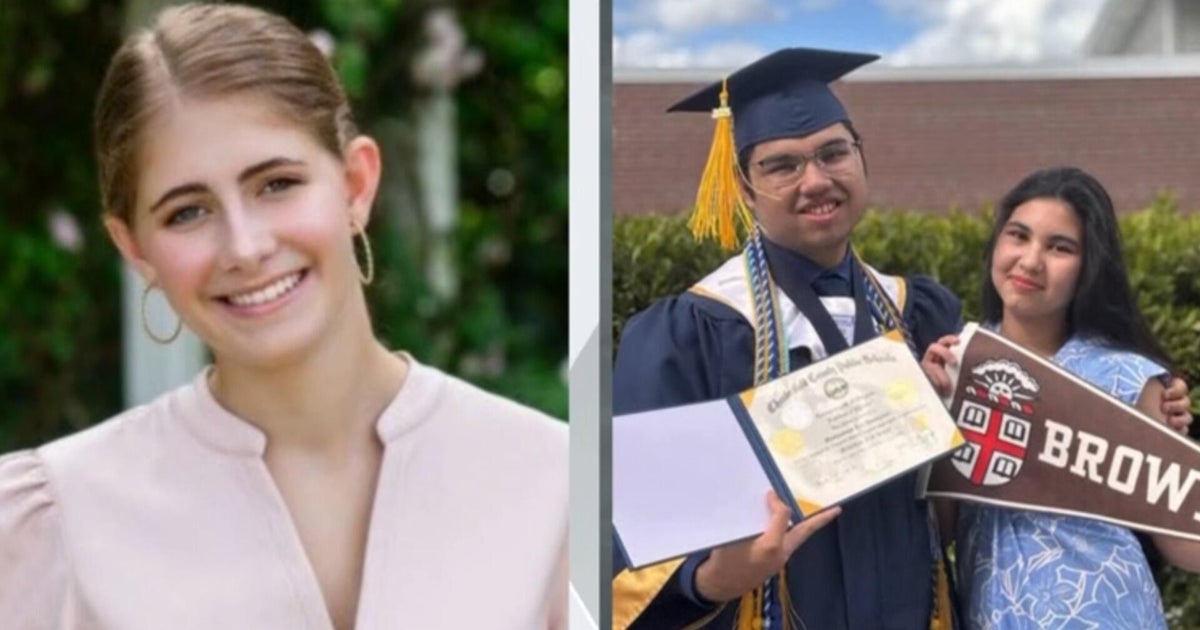
For Valente, the Barus & Holley engineering building wasn't just a place on a map. It was the physical site of his perceived failure. When he stepped into that building on December 13, he wasn't just attacking students; he was trying to tear down the institution he felt had rejected him. The victims—19-year-old Ella Cook and 18-year-old Mukhammad Aziz Umurzokov—were symbols of a future he felt was stolen from him.
A Timeline of Premeditation
The most chilling part of the FBI’s findings is just how long this was in the works. We aren't talking about weeks or months.
- 2001-2003: Valente withdraws from Brown and leaves the country, carrying the initial seeds of resentment.
- 2017: He returns to the U.S. on a green card, settling in Florida, but fails to find the professional success he thinks he deserves.
- 2022: This is the turning point. Valente rents a storage unit in Salem, New Hampshire. This unit becomes the staging ground for his eventual attack.
- November 2025: He rents a gray Nissan Sentra in Boston and begins "intermittent" surveillance of the Brown campus.
He wasn't hiding in the shadows of some dark web conspiracy. He was living in plain sight, unemployed and increasingly isolated. The FBI noted that his "inflated sense of self" made it impossible for him to hold down a job or maintain relationships. When you think you're a genius and the world treats you like a ghost, that friction creates a very specific kind of heat.
The Fatal Flaw in the System
I've looked at a lot of these cases, and there’s a recurring theme: isolation. The FBI pointed out that Valente had "little to no opportunity for bystanders to observe" his downward spiral. He didn't have a boss to notice he was acting weird. He didn't have a spouse or a close circle of friends to see the 815 videos and 1,327 audio files he left behind—recordings where he rambled about his "injustices."
This is the part that should keep us up at night. Our security systems are designed to catch "suspicious behavior" in public. But Valente was a phantom. He was a man living in a storage unit’s shadow, nursing a grudge that was older than some of his victims.
Even when he was caught on CCTV at the Alamo Rent-a-Car, he looked like any other middle-aged guy. It took a "homeless Brown graduate" on Reddit—someone who actually lived on the streets and noticed the car—to provide the tip that broke the case. Think about that. A multi-agency manhunt was stuck until a guy with a sharp eye and a Reddit account connected the dots.
Why We Can't Just Call Him Mentally Ill
It's tempting to hide behind the "mentally unwell" label. While the FBI does mention his increasing paranoia, they also emphasize his agency. He planned this. He acquired weapons. He swapped license plates to evade detection.
Valente’s "grievances" were a choice. He chose to view his peers' success as a personal attack. He chose to view a university’s academic standards as a conspiracy against his talent. The FBI report notes that he showed zero remorse in his final videos. He actually complained about a self-inflicted injury he got while killing Professor Loureiro. That’s not just "being sick." That’s a profound, calculated lack of empathy.
What This Means for Campus Safety
If you're a student or a parent, the takeaways here are frustrating. Brown has 1,200 cameras, but Valente knew the campus well enough to use a door in an older section of the engineering building that lacked coverage. He exploited the very familiarity he gained as a student twenty years ago.
We focus so much on "see something, say something," but Valente didn't give anyone much to see. The real lesson is in the data. The FBI's ability to reconstruct his life through his digital footprint shows that the warnings were there—they were just locked on his hard drive.
If we want to stop the next Valente, we have to look at the "grievance" phase. We need better ways to track the transition from "disgruntled former student" to "active threat." That's a tall order in a free society, but as the families of Ella Cook and Mukhammad Aziz Umurzokov know, the cost of doing nothing is far higher.
The manhunt ended in a Salem storage facility where Valente took his own life. He died surrounded by the same isolation he lived in. But the "accumulation of grievances" he left behind serves as a grim roadmap for how academic frustration can curd into something much more lethal.