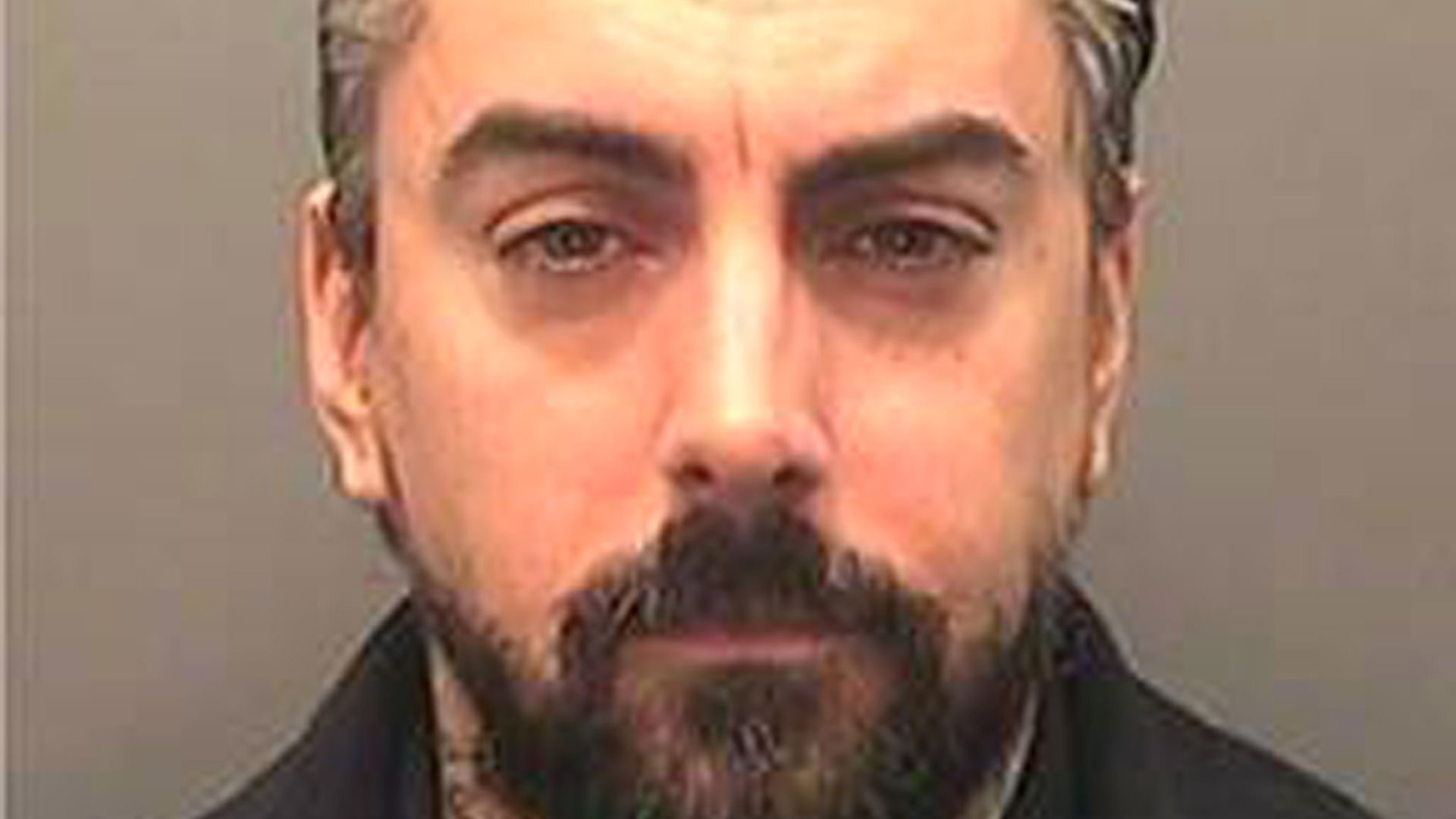
The trial of three inmates accused of the attempted murder of disgraced Lostprophets singer Ian Watkins has laid bare a grim reality of the British penal system. While the public often views high-security prisons as controlled environments, the testimony emerging from Wakefield—dubbed "Monster Mansion"—suggests a volatile ecosystem where survival is dictated by a rigid, unofficial code. When Watkins was taken hostage and stabbed in August 2023, it wasn't just a lapse in security. It was the predictable outcome of a "dog-eat-dog" culture that thrives when official oversight falters and the prison hierarchy takes justice into its own hands.
The Anatomy of a High-Security Hit
Ian Watkins is perhaps one of the most despised figures in the UK prison system. Serving a 35-year sentence for a series of horrific child sex offenses, he occupies the bottom rung of the inmate social ladder. In the hyper-masculine and violent world of Category A prisons, crimes against children are seen as the ultimate transgression. This makes individuals like Watkins permanent targets.
The prosecution alleges that Stephen Gillon, John Westland, and Richard Prendergast used a makeshift blade to attack Watkins in his cell. The motive wasn't robbery or a personal spat over canteen credits. It was a calculated strike designed to enforce a "prison law" that operates independently of the British legal system. When one of the accused told police that "prison is a dog-eat-dog world," he wasn't just making a cynical observation. He was describing the foundational principle of his daily existence.
Why Security Measures Fail the Most Hated Inmates
A common question asked by the public is how three inmates could manage to corner and nearly kill a high-profile prisoner in a maximum-security facility. The answer lies in the logistical strain facing the Ministry of Justice. Wakefield Prison holds some of the most dangerous men in the country, yet it suffers from the same chronic understaffing and budget cuts affecting the rest of the estate.
Maintaining a Vulnerable Prisoner (VP) unit requires constant vigilance and a high staff-to-inmate ratio. When these ratios slip, gaps appear. Inmates are experts at monitoring the movements of "screws" (guards). They know exactly when a shift change occurs or when a particular wing is under-supervised. The attack on Watkins took place over a significant period—some reports suggest he was held for hours—which points to a catastrophic failure in response times and surveillance.
The Moral Grey Zone of Prison Justice
There is a palpable lack of public sympathy for Watkins, which complicates the narrative of the trial. However, from an investigative standpoint, the "vigilante" aspect of the attack reveals a deeper instability. If inmates feel they have the agency to determine who lives and dies based on the nature of their crimes, then the state has effectively lost control of the facility.
- The Hierarchy of Crimes: Murderers and armed robbers often hold the most power, while "nonces" (sex offenders) are subjected to routine extortion and physical assault.
- The Economy of Violence: Carrying out a hit on a high-profile target like Watkins can actually elevate an inmate's status. It serves as a "calling card" that warns others not to cross them.
- The Silence of the Wings: Witnesses in these trials are rare. The "no grassing" rule is enforced with more consistency than any prison regulation.
Understaffing and the Rise of the Makeshift Blade
The weapon used in the attack—a "shiv" fashioned from sharpened plastic or metal—highlights the impossibility of keeping a prison truly weapon-free. Despite metal detectors and cell searches, inmates demonstrate remarkable ingenuity in turning everyday objects into lethal tools.
The frequency of these attacks is rising. According to recent safety statistics, violence in prisons has surged as the population reaches record highs. When cells are overcrowded and staff are stretched thin, the internal "police force" of the inmates takes over. They fill the vacuum left by the authorities. In this environment, a figure like Watkins isn't just a prisoner; he is a lightning rod for the frustrations and violent impulses of men who have nothing left to lose.
The Role of Prison Officers in High-Stakes Units
The trial has also shone a light on the mental toll on prison officers. They are tasked with protecting people who have committed acts they personally find abhorrent. While their professional duty is to maintain order and keep every inmate safe, the reality of working in Wakefield is a constant grind of tension.
There is a subtle, often unspoken dynamic where guards might "look the other way" for a split second too long. While there is no evidence of staff collusion in the Watkins case, the "dog-eat-dog" comment reflects a sentiment that permeates both sides of the bars. When the system is broken, everyone inside—guarded and guard—begins to operate on a different moral frequency.
The Fallout for the Justice System
The trial of Gillon, Westland, and Prendergast is more than a criminal proceeding; it is a stress test for the Ministry of Justice. If the state cannot protect its most hated inmates, it cannot claim to have a functioning rehabilitative or even retributive system. It simply has a warehouse where the strongest survive and the weakest are culled.
The defense teams for the accused have focused on the chaotic nature of the environment, suggesting that the "dog-eat-dog" mentality is a forced adaptation rather than a choice. This doesn't excuse the violence, but it contextualizes it. In a world where the authorities cannot guarantee your safety, you become the authority.
Beyond the Headlines
The fascination with the Watkins attack stems from the extreme nature of his crimes, but the underlying issues are systemic. We are seeing a breakdown in the basic social contract within the prison walls. The "Monster Mansion" is a pressure cooker, and without radical changes to staffing levels and inmate management, the next "dog-eat-dog" incident is already in the making.
The legal fallout will likely result in increased sentences for those involved, but in the world of life-term inmates, an extra few years is a negligible deterrent. The only real solution involves reclaiming the corridors from the inmate-led hierarchies that currently dictate the terms of survival. Until then, the "prison law" will remain the only law that matters on the inside.
Every time a high-profile inmate is targeted, the Ministry of Justice issues a statement about "improving safety protocols." These words ring hollow to the officers on the landings who know the reality of a wing when the lights go out. You cannot secure a facility with memos and press releases; you need boots on the ground and a system that doesn't rely on the "goodwill" of violent men to keep the peace.
The trial continues to peel back the layers of a hidden world, reminding us that behind the high walls of Wakefield, a very different kind of justice is being served every day. It is a justice of blades, shadows, and the cold reality that in a dog-eat-dog world, everyone eventually gets bitten.