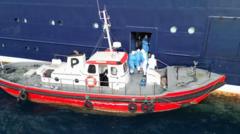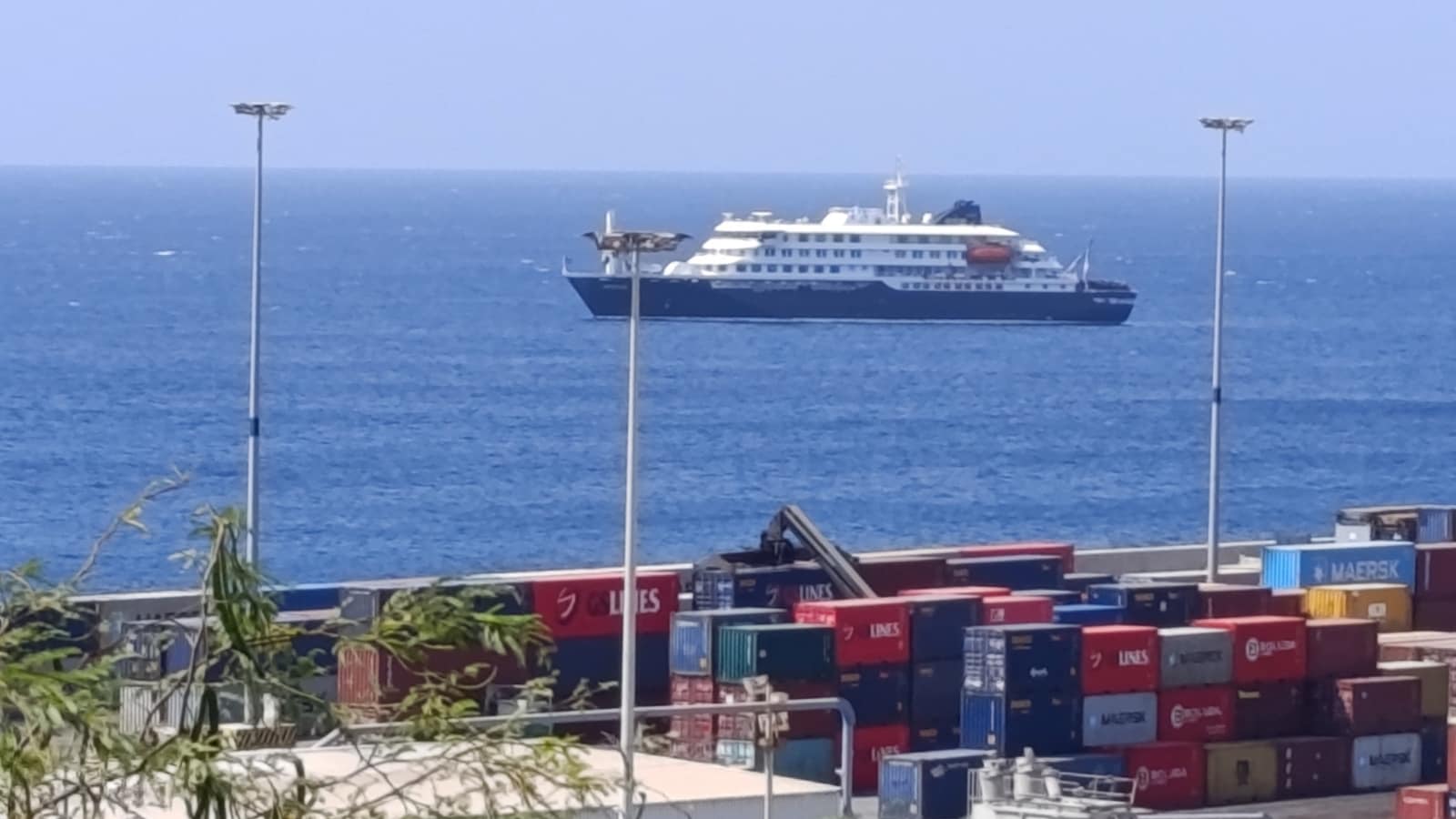
The decision by Canary Islands regional president Fernando Clavijo to block a hantavirus-stricken cruise ship from docking in Las Palmas is more than a local health precaution. It is a desperate line in the sand. As the vessel sits in maritime limbo, the standoff exposes a terrifying lack of international protocol for viral outbreaks at sea. Local authorities argue that their fragile healthcare infrastructure cannot absorb the risk of a zoonotic pathogen that carries a mortality rate as high as 38 percent in some strains. This isn't just about one ship; it is about the fundamental collapse of trust between the global cruise industry and the port cities that sustain it.
The Viral Pressure Cooker at Sea
Cruise ships are essentially floating cities with high-density populations and closed-loop ventilation systems. When a pathogen like hantavirus—typically spread through contact with rodent excreta—is detected, the vessel becomes a biological trap. While the industry often points to Norovirus as the standard "stomach bug" risk, hantavirus represents a far more lethal tier of threat.
The Canary Islands government made a calculated, cold-blooded choice. By refusing entry, they prioritized the safety of two million residents over the immediate medical needs of a few thousand passengers. This move sends a shockwave through the maritime world because it violates the unwritten "safe harbor" expectations that have governed the seas for centuries.
Infrastructure on the Brink
The Canary Islands are a top-tier travel destination, but their medical facilities are scaled for a permanent population, not a rolling influx of medical emergencies from the Atlantic. If several hundred passengers required intensive care and isolation units simultaneously, the local system would face total paralysis.
The regional leadership is looking at the long-term economic survival of the archipelago. A localized outbreak of hantavirus in Tenerife or Gran Canaria would not just fill hospital beds; it would trigger travel bans, grounded flights, and a multi-billion-dollar wipeout of the tourism sector. They are choosing to keep the virus offshore, even if it means a PR nightmare for the port of Las Palmas.
The Problem With Modern Ship Ventilation
Many vessels in the current global fleet utilize older HVAC designs. These systems are efficient at moving air, but they struggle to filter out fine viral particulates during a sustained outbreak. When a rodent-borne virus enters the supply chain—perhaps via contaminated dry goods in a cargo hold—the air distribution system can inadvertently assist in its spread.
- Filter Limitations: Standard marine grade filters are often insufficient for viral containment.
- Recirculation Risks: Energy-saving modes often recirculate air rather than pulling 100% fresh air from the outside.
- Containment Gaps: Isolation cabins on cruise ships are rarely equipped with true negative pressure capabilities.
The Failed Logistics of Maritime Quarantine
When a ship is denied docking, it enters a legal and humanitarian gray zone. The flag state of the vessel, often a "flag of convenience" like Panama or the Bahamas, rarely has the physical resources to provide aid in the middle of the Atlantic. This leaves the ship's captain in a grueling position: managing a growing medical crisis with a limited shipboard pharmacy and a handful of medical staff.
The current international maritime regulations are built for mechanical failures, not biological ones. We are seeing a repeat of the 2020 chaos, but with a more lethal pathogen. The refusal by the Canary Islands serves as a warning that "business as usual" is a fantasy when a high-fatality virus is on board.
Why Hantavirus is a Different Beast
Unlike the common cold, hantavirus Pulmonary Syndrome (HPS) can lead to rapid respiratory failure. It is not something that can be managed with over-the-counter meds in a stateroom. It requires ventilators, specialized nursing, and aggressive fluid management.
The presence of this virus suggests a massive failure in the ship's integrated pest management (IPM) protocols. For a virus typically found in rural, land-based settings to infect a modern cruise liner, there has been a breakdown in the supply chain or a significant infestation during a recent dry-dock period. This indicates a systemic oversight in how these vessels are cleaned and inspected.
The Economic Fallout for the Cruise Industry
The cruise industry has spent billions trying to convince the public that they are the safest way to travel. This incident shatters that narrative. When a major port refuses entry, it isn't just a logistical hiccup; it is a vote of no confidence in the ship’s ability to manage its own hygiene.
Investors are watching these developments with justified anxiety. If more ports follow the lead of the Canary Islands, the cruise model becomes untenable. A ship that cannot guarantee docking is a ship that cannot sell tickets.
The Sovereignty Argument
Proponents of the ban argue that every territory has the absolute right to protect its borders from biological threats. The Canary Islands are not a vassal state to the cruise lines. They are a community with a right to self-preservation. The "Right of Entry" in maritime law is not absolute, especially when a vessel poses a direct threat to public health.
On the other hand, critics argue that this creates a "pariah ship" scenario where vessels are left to wander the ocean, potentially worsening the condition of those on board. If every port says no, the ship becomes a floating morgue.
Fixing the Maritime Safety Gap
There is no easy fix, but the current hands-off approach from international regulators is failing. We need a standardized "Yellow Flag" protocol that dictates exactly which ports are equipped to handle viral emergencies and how they will be compensated for doing so.
- Mandatory HVAC Overhauls: Every ship must be retrofitted with HEPA-grade filtration and true isolation zones.
- External Audits of Supply Chains: Pest control can no longer be a checkbox exercise; it needs independent, third-party verification.
- Regional Quarantine Hubs: Nations must cooperate to create specific, remote docking sites equipped for medical triage, rather than dumping the problem on high-density tourist ports.
The Reality of the Canary Islands Standoff
The standoff in Las Palmas is a symptom of a larger rot. We have built massive, complex travel machines but failed to build the safety nets to catch them when they fail. The Canary Islands leader didn't just reject a ship; he rejected the idea that his citizens should bear the cost of a private company’s failure.
As long as cruise lines operate under opaque regulations and flags of convenience, they will continue to find the doors of the world's most beautiful ports slammed in their faces. This isn't a "travel incident." It is a structural failure of global proportions.
The ship remains in the deep water, a ghost of an industry that refuses to adapt to a world where viruses move faster than the tide. Port authorities worldwide are now looking at their own harbor entrances, wondering if they have the courage to say no when the next infected hull appears on the horizon.