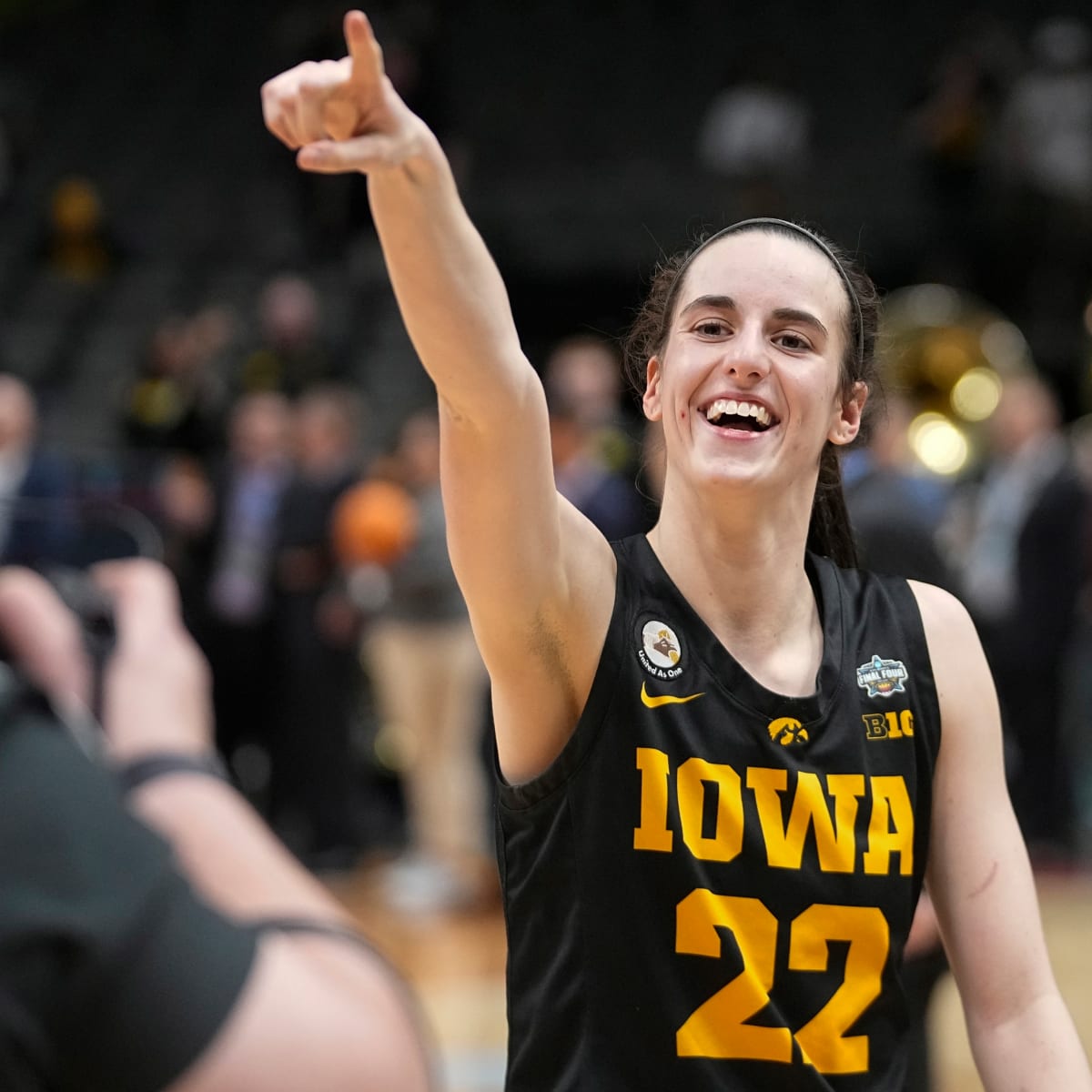
The collective gasp heard across the WNBA world wasn't just about a basketball player hitting the floor. It was the sound of an entire league's marketing strategy and a fanbase's hopes momentarily flashing before their eyes. When Caitlin Clark went down clutching her ankle during the Indiana Fever's preseason matchup against the Dallas Wings, the air left the room. You could see the panic on social media in real-time. But here's the reality check we all needed. Clark is fine. She said so herself.
The injury happened early. Clark was trying to navigate a screen, something she’ll be doing a thousand times this season. She rolled that left ankle and stayed down long enough to make everyone rethink their season ticket purchases. She eventually limped to the bench, headed to the locker room, and the "disaster" narrative started spinning. Then, she came back out. She played. She scored 21 points. The scare was just that—a scare.
Why We Reacted So Strongly to a Preseason Tweak
We need to talk about why a minor ankle roll in a game that doesn't count caused a national meltdown. It's the "Clark Effect." The WNBA is in a new era where one player carries the weight of massive television deals and sold-out arenas. When she tweaks an ankle, it isn't just an injury report update. It’s a financial risk.
Honestly, it’s a lot of pressure for a rookie. Most players get to hide in the preseason. They find their rhythm in empty gyms. Clark does it in front of a capacity crowd in Dallas with cameras tracking her every grimace. This wasn't a season-ending Achilles tear. It was a standard basketball play that happens in every training camp from middle school to the pros. We just happened to be watching this one with a magnifying glass.
The Physical Reality of the WNBA Transition
The jump from college to the pros is brutal. It’s faster. It’s more physical. The defenders are stronger and they don't give you an inch of space. Clark found that out quickly. In the college game, she could often out-range or out-skill her opponents without much contact. In the WNBA, players like Arike Ogunbowale and the Wings' defense are going to be in her jersey for 40 minutes.
That physicality leads to these minor dings. Ankle sprains are the bread and butter of basketball injuries. According to sports medicine data from organizations like the Mayo Clinic, lateral ankle sprains are the most common injury in court sports. They happen when the foot turns inward, stretching the ligaments on the outside of the ankle. It hurts like crazy for five minutes, feels stiff for two days, and then you're back.
Clark's ability to return to the game and still put up 21 points tells you two things. First, the structural integrity of the joint is solid. Second, she's got the mental toughness to play through the "sting" that comes with professional ball. You can't be a superstar if you're afraid of a little floor burn or a rolled joint.
Breaking Down the Performance Post-Scare
If you were worried about her shooting stroke being affected by a sore lower body, don't be. Clark went 5-of-13 from deep. That's a high volume of shots for a "hurt" player. She wasn't tentative. She didn't shy away from contact in the paint. She looked like the same player who shattered records at Iowa.
The Fever lost the game 79-76, but the score didn't matter. The takeaway was the chemistry. Clark and Aliyah Boston are still learning how to dance together on the court. There were moments of miscommunication, which is exactly what preseason is for. You want those turnovers to happen now, not in June when the standings actually start to solidify.
What the Fever Training Staff is Doing Right Now
Don't think because she said she's "OK" that the team is just letting her go grab a burger and forget about it. Pro-level recovery is a science. Right now, Clark is likely living in compression boots. The training staff uses a protocol often called RICE (Rest, Ice, Compression, Elevation), though many modern trainers have moved toward "POLICE" (Protect, Optimal Loading, Ice, Compression, Elevation).
- Ice baths: These aren't fun, but they kill inflammation fast.
- Manual therapy: Trainers will be working on the soft tissue around her fibula to ensure no lingering stiffness.
- Proprioception drills: Basically, balance exercises to make sure her brain and her ankle are communicating perfectly before the next tip-off.
She’s a prize asset. The Fever aren't going to gamble with her long-term health for a preseason win. If there was even a 1% chance of a high-ankle sprain—the kind that lingers for months—she wouldn't have seen the floor in the second half. The fact that she played is the only "source" you need to trust.
The High Stakes of the Rookie Season
Expect more of this. Expect every time she touches her knee or holds her wrist for the internet to lose its mind. It's the price of stardom. But the WNBA season is a marathon. It’s 40 games of high-intensity travel and physical play.
Clark has a target on her back. Every veteran in the league wants to prove that the hype is just noise. They’re going to play her hard. They’re going to bump her off her spots. This ankle scare was basically an initiation ceremony. Welcome to the big leagues. It's loud, it's physical, and sometimes you're going to limp.
Managing Your Expectations as a Fan
If you're following Clark this season, stop holding your breath every time there's contact. Basketball is a collision sport. Players fall. They get poked in the eye. They roll ankles. It’s part of the job description. Clark is an elite athlete with access to the best medical care on the planet.
She's tough. She played through plenty of minor issues in college that people didn't even notice because the stakes felt lower. Now, every move is scrutinized. Just watch the highlights and enjoy the deep threes. The ankle is fine. The shot is fine. The season is still very much on track.
If you want to keep track of her health throughout the season, watch her lateral movement. If she's not exploding off her lead foot or if she's hesitant to drive to her left, that's when you worry. Until then, take her word for it. She's okay.
Check the official injury reports two hours before the next game. If she's not on it, she's a go. Stop scrolling through the doom-posts and look at the box score. 21 points in a debut with a "bum" ankle? That's not a player in trouble. That's a player who is exactly who we thought she was. Keep an eye on her minutes in the next few games. The coaching staff might cap her at 20-25 minutes just to be safe, but that’s standard load management, not a crisis.