The Cannes Film Festival has finally broken. For years, the Grand Théâtre Lumière functioned less as a temple of global cinema and more as a multi-million-dollar backdrop for viral marketing campaigns. Influencers with zero connection to filmmaking monopolized the lenses of the international press corps, suffocating the actual artists under a mountain of tulle, sheer fabric, and orchestrated publicity stunts.
This year, festival organizers drew a line in the Mediterranean sand. The 2026 edition of Cannes has rolled out an aggressively policed, hyper-conservative dress code that outright bans the tools of the modern attention economy.
No naked dresses. No oversized gowns that require an entourage to drag up the steps. No internet stunts designed to trend on social platforms.
By suffocating the spectacle, Cannes leadership claims they are saving the festival. They say the focus belongs back on the screen, particularly at a time when major Hollywood studio presence has shriveled due to skyrocketing production costs and corporate anxiety. But this draconian crackdown is not just an aesthetic choice. It is a desperate economic calculation disguised as artistic purity.
The Logistics of Chaos
The iconic twenty-four steps of the Palais des Festivals are a security nightmare under the best of conditions. When you inject dozens of internet personalities wearing five-foot trains and sheer garments that require constant physical adjustments, the entire apparatus grinds to a halt. Premieres have faced cascading delays simply because a guest could not climb the stairs without four assistants managing their hemline.
This is the practical reality that prompted the change. The festival released strict codes of conduct ahead of the opening ceremony, mandating classic black-tie attire and forcing publicists to subject their clients to a literal "stair test" before leaving their hotels. If an outfit restricts basic human movement, it gets turned away at the barrier.
It is a brutal correction. For the past decade, fashion houses and luxury brands bought up access to the Croisette, using the red carpet as a highly effective, decentralized billboard. They flew in digital creators with massive follower counts, dressed them in shock-value couture, and generated billions of digital impressions.
Cinema was the collateral damage. Filmmakers who spent five years scraping together financing for a nuanced geopolitical drama found themselves relegated to the background, out-headlined by a model wearing nothing but strategically placed crystals.
The festival's artistic director, Thierry Frémaux, has long harbored a distaste for this shift. By enforcing an uncompromising standard of classic elegance—long gowns, cocktail silhouettes, and traditional tuxedos—the administration is systematically dismantling the infrastructure of the viral dress.
The Hollywood Deficit
This aesthetic purge happens to coincide with a distinct shift in the festival's economic power dynamics. Cannes is noticeably light on massive American studio blockbusters this year. The industry is still reeling from structural contractions, and the exorbitant cost of launching a major theatrical campaign on the French Riviera is becoming harder for Hollywood executives to justify.
Instead, the vacuum is being filled by international masters and independent heavyweights. The festival opened with Pierre Salvadori’s The Electric Kiss, a French comedy that sets a decidedly local, industry-focused tone. The competition jury, led by South Korean director Park Chan-wook, includes uncompromising creative voices like Chloé Zhao and Paul Laverty.
When you do not have three different Marvel spin-offs anchoring the marketing schedule, you cannot rely on Hollywood’s publicity machine to maintain the festival's prestige. Cannes has to rely on its own mythos.
That mythos is rooted in exclusivity and high-culture dignity. If Cannes allows itself to look like the Met Gala or an algorithmic awards show, it loses its core differentiator. The strict dress code is an attempt to manufacture gravity.
The High-Fashion Backlash
Predictably, the new rules have sent shockwaves through the luxury ateliers of Paris and Milan. Fashion brands pay millions of dollars to sponsor Cannes events. Chopard and Dior still maintain a massive footprint on the Croisette, but their creative directors are now operating under strict creative constraints.
The initial red carpet showings reveal how designers are pivoting. Instead of relying on raw volume or shock value, the focus has shifted back to immaculate tailoring and historic silhouettes. Demi Moore arrived in a sculptural, custom Jacquemus gown that managed to command attention through architectural precision rather than bare skin. Ruth Negga walked for the opening ceremony in a restrained, classic Dior haute couture piece, relying on Chopard high jewelry to provide the necessary sparkle.
This shift to practical glamour benefits established fashion houses with deep archives and master tailors. It punishes the younger, disruptive designers who rely on subverting traditional dress codes to make a name for themselves.
It also risks making the festival look stuffy and out of touch. Part of the historical magic of Cannes was its capacity for high-stakes scandal. When Brigitte Bardot walked the beach in a bikini in 1953, it shattered social norms and helped define the modern identity of the Riviera. By completely sanitizing the red carpet, the festival administration might be killing the very energy that keeps the public looking at the photos in the first place.
The Illusion of Pure Art
There is a fundamental hypocrisy at the center of this crackdown. Cannes has never been a pure, unvarnished celebration of independent cinema. It is, and always has been, a trade market wrapped in a velvet bow.
The red carpet is the economic engine that funds the entire operation. The flashing bulbs, the jewelry contracts, and the global media coverage create the prestige that allows the festival to sell distribution rights for challenging, low-budget international films in the Marché du Film.
If you turn off the valve of internet hype, you risk diminishing the festival's broader cultural relevance. Younger audiences do not track the Screen International jury grid to see how a Japanese drama scored with European critics. They engage with Cannes through the social media images that populate their feeds.
By banning the specific types of fashion that drive modern digital engagement, Cannes is making a dangerous bet. They are betting that the brand of the festival is powerful enough to survive without bowing to the algorithms that govern contemporary media.
A Dangerous Gamble on Prestige
The enforcement of these rules has already created awkward friction on the ground. Security personnel at the Palais are policing necklines and hem lengths with clipboard-wielding intensity. Several mid-tier influencers and guests have reportedly been stopped at the steps, forced to adjust their attire or denied entry entirely.
It creates an atmosphere of exclusion that feels archaic. It implies that fashion is a distraction to be managed rather than a legitimate form of cultural expression that evolves over time.
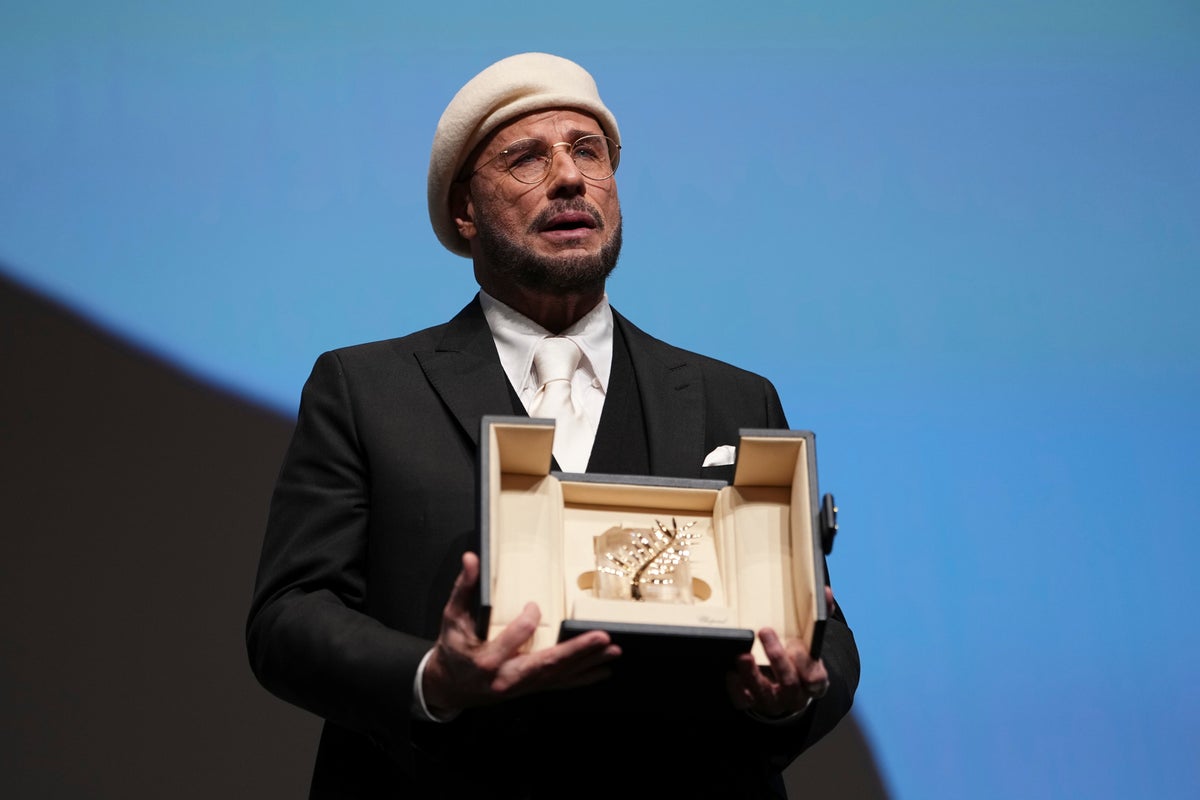
Yet, as the festival progresses toward the presentation of the Palme d'Or, there is an undeniable sense of relief among the traditional press and film purists. The conversations in the cafes along the Croisette are actually about the films. Critics are arguing about the political subtext of Paul Laverty’s press conference comments and the technical merits of Peter Jackson’s honorary tribute rather than who wore what.
The festival has successfully altered the ecosystem, but the long-term cost remains uncalculated. You can force a movie star into a classic tuxedo, and you can ban an influencer from the stairs, but you cannot force a changing media landscape to care about prestige cinema through decree alone. Cannes has successfully taken back control of its carpet, but it has yet to prove that the world will keep watching a show that refuses to play by modern rules.