You think you’re ordering a premium hand-crafted cake from a boutique bakery. The photos look stunning. The reviews are glowing. But when your order arrives, it’s coming from a cramped, dirty shared kitchen miles away from the "luxury" storefront shown on the map. This isn’t a hypothetical nightmare. It’s a massive fraud that just blew up across Chinese social media, exposing a systemic "ghost cake" problem that should make every delivery app user nervous.
The scam works because we trust the interface more than our eyes. In late 2024, an investigative report by Beijing News pulled back the curtain on a sprawling network of fake bakeries. These shops exist only as digital facades on apps like Meituan and Ele.me. They don’t have ovens. They don't have pastry chefs. They just have a tablet and a contract with a shadowy third-party producer.
The one order that broke the illusion
Everything started falling apart when a customer in Beijing tried to find the physical location of a bakery they’d frequently used. They followed the address listed on the app. Instead of a smelling fresh bread and seeing a glass display case, they found a generic office building with no bakery in sight.
When journalists started digging, they found dozens of "brands" all registered to the same few addresses. These weren't independent businesses. They were "ghost" storefronts. One single industrial-scale kitchen was pumping out cakes for thirty different "high-end" brands simultaneously. If you ordered a $50 chocolate gateau from "Brand A" and a $30 sponge cake from "Brand B," they were likely baked in the same dirty vat and boxed in different cardboard.
This isn't just about deceptive marketing. It's a massive health risk. These central hubs often bypass the strict licensing required for retail food premises. When investigators entered some of these production sites, they found workers handling food without gloves, expired ingredients, and a total lack of temperature control. It turns out, when a brand doesn't actually exist in the physical world, it’s much harder for health inspectors to shut it down.
Why delivery apps are letting this happen
You’d think the big tech platforms would catch this. They don't. Or more accurately, they didn't care to until the PR became a disaster. The "ghost cake" model is incredibly profitable for the platforms. Every new "shop" that signs up pays a commission. More shops mean more variety, which keeps users scrolling and ordering.
The barrier to entry is laughably low. To open a shop, you basically need a business license and a food permit. In the "ghost" world, these are often rented or faked. Scammers use "shop-opening agencies" that specialize in getting fake storefronts approved. These agencies know exactly which photos to upload to pass the automated checks. They use stock photos of beautiful Parisian bakeries to represent a windowless room in an industrial park.
- Automated verification fails. AI checks can't distinguish a stock photo from a real shop window if the metadata is scrubbed.
- Address stacking. Multiple businesses register at one tiny room, and the apps don't flag the physical impossibility of twenty bakeries operating out of a closet.
- Review farming. Ghost shops buy fake reviews to build instant credibility, drowning out any real customers who complain about the quality.
The dirty reality of centralized production
Let’s talk about the cakes themselves. A real bakery uses butter. A ghost bakery uses "non-dairy cream" and cheap vegetable fats because they're shelf-stable and cost almost nothing. These cakes are produced on an assembly line, frozen, and shipped to distribution points. When you order, they aren't "baking" your cake. They’re defrosting it and maybe slapping some cheap fruit on top.
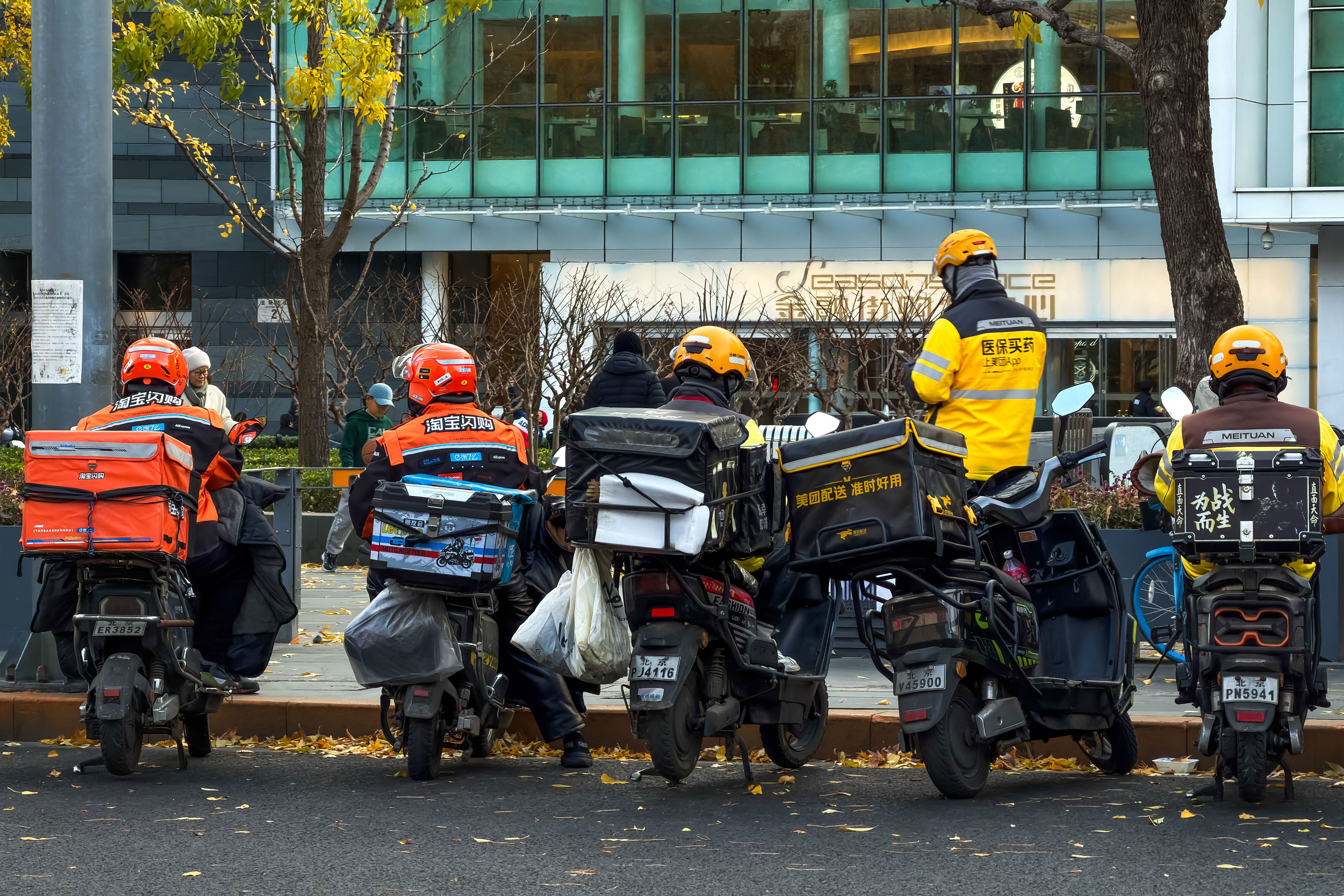
This is the commodification of "luxury." We’re paying a premium for the idea of an artisanal product while receiving an ultra-processed industrial one. It’s a bait-and-switch that relies on the distance between the consumer and the producer. If you had to walk into that kitchen to buy the cake, you’d walk out immediately. Because it’s delivered in a pretty box by a guy on a scooter, the illusion holds.
How to spot a ghost shop before you buy
Don't let the professional photography fool you. If you’re ordering food—especially something expensive like a birthday cake—you have to do thirty seconds of detective work. It’ll save you from a ruined party and a potential case of food poisoning.
Check the address. This is the biggest giveaway. Copy the address from the app and drop it into a map or a search engine. If it’s a residential apartment complex, a basement, or a "Unit B" in a giant warehouse district, it’s a ghost kitchen. Real bakeries want foot traffic. They want windows. They want people to walk in. If the shop seems to be hiding, it’s because it is.
Look at the menu variety. A real bakery has a specific style. If a shop offers five hundred different items ranging from Japanese cheesecakes to American donuts to traditional French tarts, they aren't making them in-house. That’s a warehouse menu. Real chefs specialize.
Read the "bad" reviews first. Ignore the five-star gushing posts with professional-grade photos; those are likely paid for. Look for the one-star reviews that mention the food arriving frozen, tasting like chemicals, or looking nothing like the picture. Those are the only people telling the truth.
The regulatory crackdown is finally here
After the Beijing News exposé, Chinese regulators finally moved. They started a "clean-up" operation, forcing platforms to verify the physical existence of their merchants. Thousands of shops were delisted overnight. But this is a game of whack-a-mole. As soon as one ghost shop dies, two more pop up under different names.
The real change has to come from the platforms. They have the GPS data. They know where the delivery drivers are picking up the food. If a driver for "Parisian Delights" is consistently picking up orders from a back alley behind a tire shop, the app's algorithm knows. They’ve just chosen to look the other way because the money is too good.
Protecting yourself in the age of digital food
We’re moving toward a world where the physical storefront is becoming optional, but your safety isn't. You can't rely on the app to vet your food. They're tech companies, not health inspectors. They prioritize volume over veracity every single time.
Stick to known brands with a physical presence you’ve actually seen. If you want to try somewhere new, do a quick "street view" check. If the "bakery" is actually a generic door with no signage, order somewhere else. Support local businesses that actually have ovens and staff you can see. It might cost a few dollars more, but at least you know you aren't eating a "ghost" cake made in a basement.
Demand better from the apps. If you find a fake shop, report it. Don't just ask for a refund; flag it as a fraudulent location. Use your wallet to signal that the "ghost" model is unacceptable. When the risk of hosting these scams outweighs the profit from the commissions, only then will the platforms actually fix the problem. Take control of your data and your dinner. Stop buying the digital lie and start looking for the real kitchen.