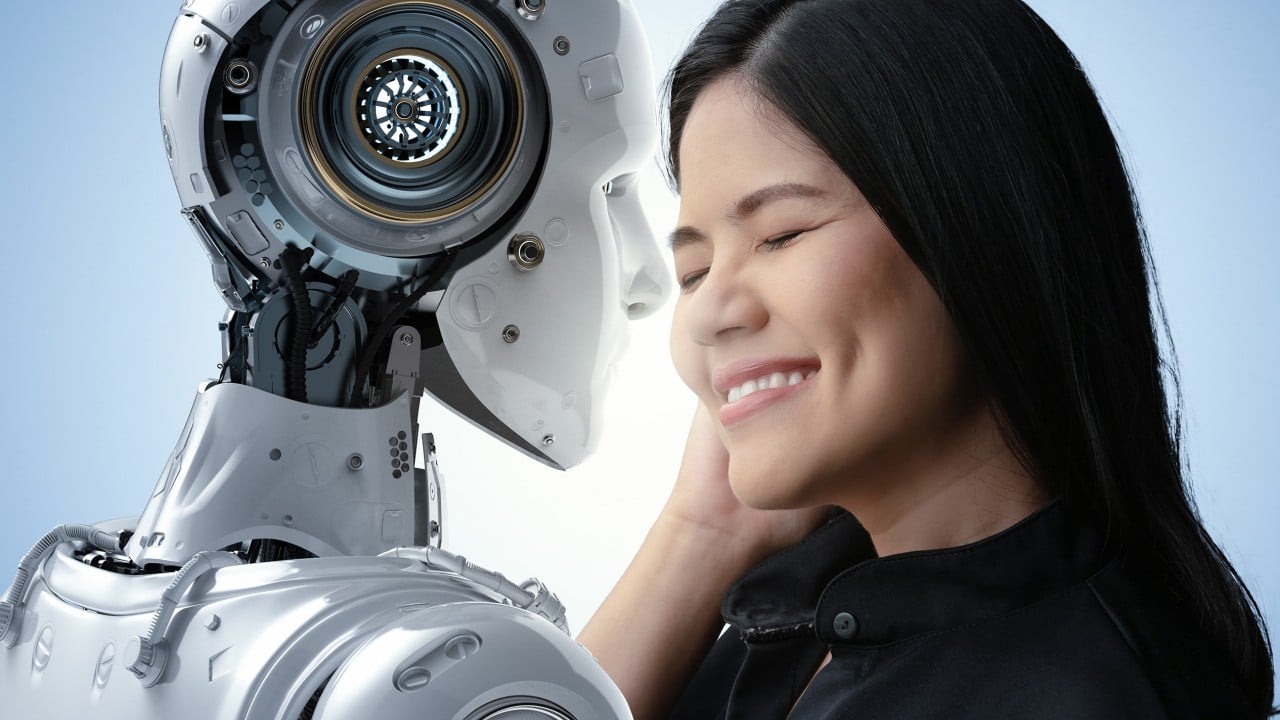
You’ve just been dumped. Your heart is in pieces, and the silence in your apartment is deafening. Instead of deleting the thousands of chat logs, photos, and voice notes from your ex, you feed them into an algorithm. Twenty minutes later, your phone buzzes. It’s "him." He’s using his old nicknames for you. He’s referencing that inside joke from your third date.
He’s not real, but he sounds exactly like the person who just broke your heart.
In China, this isn’t a Black Mirror episode. It’s a booming business. Young people are increasingly turning to AI to create digital clones of their former partners. Using tools like "Ex-partner.skill" on various AI platforms, users are building high-fidelity replicas to process grief, seek closure, or—more controversially—refuse to let go.
The Rise of the Artificial Ex
The trend has hit a fever pitch in 2026. While the West has been focused on AI "girlfriends" for entertainment, Chinese users are using the tech for something much more intimate and heavy: emotional resurrection.
The process is surprisingly simple. You upload your digital footprint with that person—the WeChat history, the shared photos, the audio clips. The AI analyzes the linguistic nuances, the frequency of emojis, and the specific ways your ex used to argue or apologize. The result is a chatbot that doesn't just talk like them; it feels like them.
I've talked to people who swear by it. They say it’s the only way they could say the things they never got to say during the actual breakup. It’s a form of "digital closure" that traditional therapy doesn’t offer. But there’s a massive catch. When the AI is this good, you’re not just getting closure. You’re getting an addiction.
Is It Healing or Just Digital Self-Harm
Psychologists are split, but the reality on the ground is messy. On one hand, you have users like the student in Beijing who used a replica to "rationally" re-examine her relationship. By talking to the AI, she realized how toxic the real person was and finally found the strength to block them for real. In that case, the AI was a mirror.
On the other hand, we’re seeing "cyber heartbreak." This happens when the AI company updates its model and suddenly the replica "forgets" your anniversary or changes its tone. In March 2026, a wave of social media posts in China showed users grieving all over again because their digital exes became "cold" after a software patch.
Think about that. You’re mourning a person who is still alive, via a machine that just had its code tweaked. It’s a double layer of trauma that our brains aren't wired to handle.
The Gray Area of Emotional Cheating
Here’s where it gets really uncomfortable. What happens when you start a new relationship but keep your AI ex in your pocket?
- The Ghost in the Pocket: You’re on a date with someone new, but you’re texting a digital ghost in the bathroom.
- Comparison Traps: The AI is programmed to be whatever you want. Your new partner isn’t. Real humans have bad breath, they forget to do the dishes, and they disagree with you. The AI ex is perfect because it's a curated version of your own memories.
- The Consent Crisis: Most of these replicas are built using the data of people who have no idea they’ve been "cloned."
Lawyers in Guangdong are already sounding the alarm. Using someone’s voice and likeness to create an AI companion without their consent is a legal nightmare. It’s a violation of personal information laws, yet it’s almost impossible to police.
Why Real Partners Should Worry
If your partner is talking to an AI version of their ex, is that cheating? Some experts say no because there’s no "real" person on the other end. I disagree. Intimacy is about where you direct your emotional energy. If you’re pouring your secrets, your longings, and your nighttime thoughts into a simulation of a former lover, you’re stealing that intimacy from your current partner.
The AI Amplifier Effect
Research from early 2026 suggests something called the "AI Amplifier Effect." Basically, the AI doesn't give you new emotions; it just magnifies what you’re already feeling. If you’re lonely, the AI makes you feel more connected to the past. If you’re obsessive, the AI gives you a 24/7 outlet for that obsession.
The danger isn't that the AI is "smart." The danger is that it's frictionless. Real relationships require work, compromise, and the risk of rejection. The AI ex offers none of that. It’s a closed-circuit loop where you only ever hear what you want to hear.
How to Handle the Digital Ghost Trend
If you’re tempted to build a replica of an ex, or if you’ve found out your partner is talking to one, you need to set hard boundaries. This isn't just "playing with a bot." It’s messing with your brain’s attachment system.
- Check your intent: Are you looking for a 15-minute goodbye or a 6-month crutch? If it’s the latter, put the phone down.
- Privacy is a two-way street: If you wouldn't want your data used to make a bot for someone else, don't do it to your ex. It’s creepy. Period.
- Watch for the "reset": AI isn't permanent. Companies go bust, servers go down, and models change. Don't build your emotional stability on a platform that can be deleted with a "404 Not Found" error.
Stop trying to resurrect what’s already dead. The AI might have their voice, but it doesn't have their soul. It’s just a clever mirror reflecting your own inability to move on.
Delete the logs. Block the bot. Go outside and talk to a human who can actually talk back—flaws and all.
The AI ex trend and its emotional impact
This video features a psychologist explaining why emotional investment in AI can be considered a form of infidelity and how it impacts real-world relationships.
http://googleusercontent.com/youtube_content/1