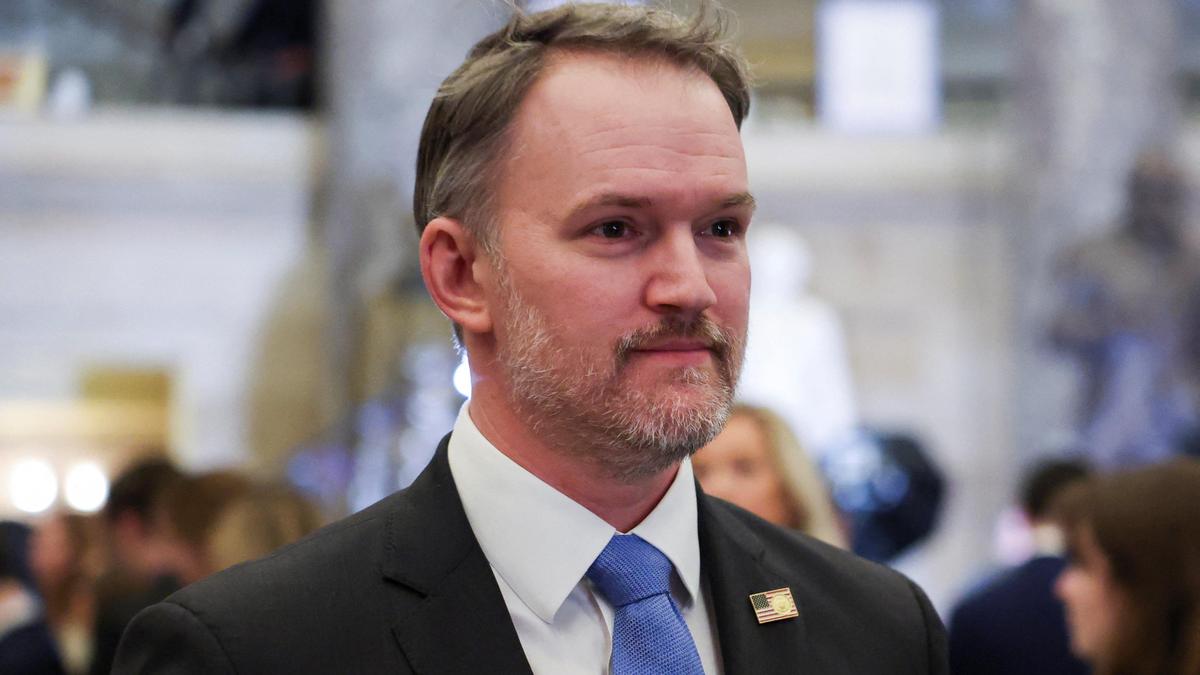
Bhaskar and Arun Savani, two brothers who once sat atop a multi-state dental empire, now face the possibility of spending the rest of their lives behind bars. Federal prosecutors have unraveled a massive scheme involving a $25 million fraud that targeted the very programs designed to provide healthcare to the most vulnerable. This was not a simple accounting error or a localized instance of overbilling. It was a calculated, multi-year operation that allegedly used "ghost" dentists and exploited the identities of unwitting patients to siphon millions from Medicaid and private insurers.
The scale of the indictment is staggering. By the time federal agents moved in, the Savani brothers had built a network of clinics across Pennsylvania and New Jersey that functioned more like a money-laundering machine than a medical practice. They are now facing charges that carry a combined maximum sentence of 420 years in prison. Don't forget to check out our earlier post on this related article.
Anatomy of a Medicaid Heist
The core of the Savani brothers' operation relied on a tactic known as "ghost billing." To the outside observer, their clinics appeared to be bustling centers of community health. On paper, however, the numbers didn't add up. Prosecutors allege the brothers used the credentials of dentists who no longer worked for them—or who had never worked at specific locations—to submit claims for procedures that were either unnecessary or entirely fabricated.
This wasn't just about greed. It was about scale. Medicaid reimbursements for individual dental procedures are often modest. To generate the kind of wealth the Savanis enjoyed, they needed volume. They achieved this by treating the Medicaid system as an open faucet. They didn't just bill for a few extra fillings; they built a system where the documentation was a work of fiction designed to trigger automatic payouts from government systems that are notoriously slow to flag sophisticated patterns of fraud. If you want more about the background of this, Business Insider offers an excellent summary.
The Shell Game of Corporate Ownership
One of the most complex aspects of the investigation involves how the Savanis structured their business. In many states, including Pennsylvania, there are strict laws regarding who can own a dental practice. These laws are meant to ensure that medical decisions are made by licensed professionals, not by profit-driven corporations or unlicensed individuals.
The Savanis allegedly bypassed these safeguards through a web of shell companies and "nominee" owners. By placing the names of other dentists on official paperwork while retaining total financial and operational control, they masked the true nature of their enterprise. This allowed them to expand rapidly without the oversight that usually accompanies large-scale medical groups. When investigators began pulling the thread, they found a tangled mess of bank accounts and corporate entities designed specifically to obscure the flow of money.
Exploiting the Vulnerable
The victims in this case aren't just the taxpayers who fund Medicaid. The real damage was felt by the patients. When a healthcare provider prioritizes fraudulent billing over actual care, the quality of medicine suffers. Patients were often subjected to procedures they didn't need, while the "ghost" billing meant their official medical records were packed with lies.
For a Medicaid recipient, an inaccurate medical record is a ticking time bomb. If a patient actually needs a procedure later in life, but their record shows it was already performed and paid for, getting future coverage becomes an administrative nightmare. The Savanis didn't just steal money; they corrupted the medical histories of thousands of people who had nowhere else to go for care.
A Failure of Oversight
This case highlights a massive gap in the American healthcare regulatory environment. The Savanis were able to operate for years because the systems meant to catch fraud are often reactive rather than proactive. Medicaid programs are managed at the state level but funded largely by the federal government, creating a fragmented oversight structure that sophisticated actors can easily exploit.
Insurance companies also share part of the blame. While they have internal units dedicated to spotting fraud, they are often hesitant to cut off large providers that serve high-volume areas. The Savanis filled a vacuum. They operated in neighborhoods where other dentists refused to go because of low Medicaid reimbursement rates. By becoming "essential" providers in underserved communities, they gained a level of protection. Authorities are often reluctant to shut down a clinic if it means thousands of people will lose their only access to dental care. The Savanis knew this and used it as a shield.
The Paper Trail and the Informants
No empire of this size falls without help from the inside. The federal investigation relied heavily on a combination of forensic accounting and testimony from former employees who grew tired of the pressure to meet fraudulent quotas.
In many corporate dental environments, there is a constant push for "production." But at the Savani clinics, that push allegedly crossed into criminal territory. Staff members were reportedly coached on how to document files to ensure insurance companies wouldn't trigger audits. They were told which codes to use to maximize payouts, regardless of what actually happened in the dentist's chair. When the FBI began knocking on doors, the wall of silence crumbled.
The 420 Year Calculation
The "420 years" figure often cited in headlines is a cumulative total of the maximum sentences for every count in the indictment, including wire fraud, healthcare fraud, and conspiracy to money launder. While it is rare for defendants to receive the absolute maximum, the severity of the charges reflects the Department of Justice's intent to make an example of the brothers.
The federal government is increasingly using the Racketeer Influenced and Corrupt Organizations (RICO) mindset when approaching healthcare fraud. They are no longer looking at these cases as simple theft; they are treating them as organized crime. For Bhaskar and Arun Savani, the defense that these were merely "clerical errors" or "administrative misunderstandings" is unlikely to hold water given the sheer volume of evidence involving fake identities and offshore transfers.
The Global Dimension of Professional Fraud
This case also touches on a sensitive nerve regarding the exploitation of professional licenses by foreign nationals or immigrants who move into the American healthcare space. The Savani brothers were well-respected members of their community, often seen as success stories of the "American Dream." Their downfall serves as a reminder that the same systems designed to welcome professional talent can be weaponized by those who understand the bureaucratic weaknesses of the U.S. government.
The money didn't just stay in Pennsylvania. Investigators tracked funds moving through a variety of channels, suggesting a sophisticated understanding of international banking that goes far beyond what a typical dentist would require. This was a high-level financial operation that just happened to use dental chairs as the front.
The Aftermath for the Industry
The fallout from the Savani case will likely trigger a wave of audits across the Dental Service Organization (DSO) industry. Large-scale dental groups are already under fire for prioritizing profit over patient outcomes, and this indictment provides fresh ammunition for regulators who want to see stricter ownership laws.
If you are a dentist working in a high-volume group practice, the message from the Department of Justice is clear: your license is on the line. Claiming you were "just following orders" from the corporate office is no longer a valid defense when the billing reaches the level of criminal conspiracy.
Concrete Risks for Practitioners
- Vicarious Liability: Dentists whose names are used on billing forms are legally responsible for the accuracy of those claims, even if they never saw the bill.
- The "Nominee" Trap: Accepting a fee to put your name on a practice's ownership papers without having actual control is a direct violation of state laws and an invitation for a federal investigation.
- Documentation Integrity: Any discrepancy between what is written in the clinical notes and what is sent to the insurance company is potential evidence of wire fraud.
The Savani brothers are currently awaiting the next phase of their legal battle. Their assets have been frozen, their clinics are in disarray, and the reputation they spent decades building has evaporated. This isn't just a story about two brothers who got greedy. It is a autopsy of a broken healthcare system that allowed a $25 million hole to be dug right under the noses of the regulators.
Check your own medical or dental records through your insurer’s online portal to ensure no "ghost" procedures have been billed under your name.