The Empty Theater of Congratulations
Standard diplomatic reporting follows a script so predictable it could be automated by a 1980s mainframe. A new Prime Minister takes office in Baghdad. Safe miles away in New Delhi, routine congratulations are dispatched. The press corps dutifully copies the press release, inserts some boilerplate text about "deepening bilateral ties," "historical trade routes," and "regional stability," and calls it a day.
This routine analysis is completely wrong.
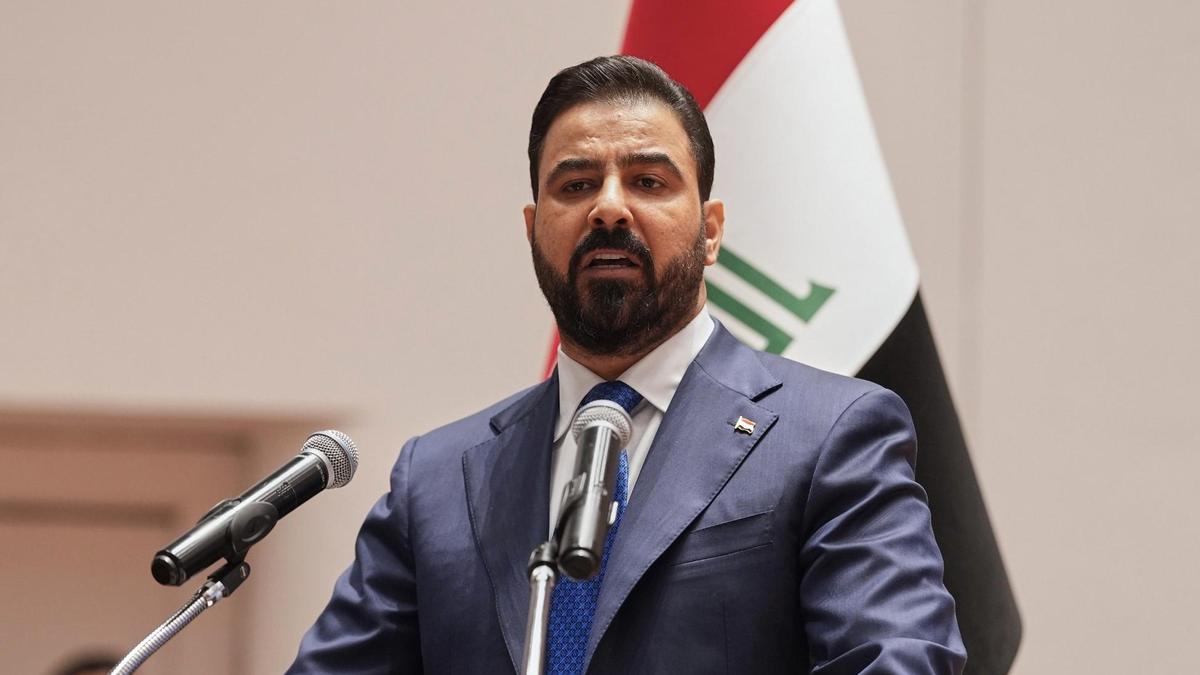
The breathless coverage of Indian Prime Minister Narendra Modi congratulating the newly appointed Iraqi Prime Minister, Ali Falih Kadhim al-Zaidi, misinterprets how geopolitical influence actually works in the modern Middle East. It treats a formal diplomatic necessity as a strategic pivot point.
The real story of India-Iraq relations is not found in the sterile halls of state banquets or the polite text of official telegrams. It is found in the brutal reality of crude oil discounts, fragmented domestic coalition politics in Baghdad, and the quiet, unglamorous integration of digital infrastructure.
The mainstream press views diplomacy through a top-down lens. They assume that because two leaders exchange pleasantries, a grand strategic alignment naturally follows.
Let's look at the actual mechanics on the ground. Baghdad does not operate as a monolithic state actor. The Iraqi premiership is one of the most volatile executive seats on earth, a position constantly balanced on a knife-edge of competing sectarian factions, external pressures from Tehran and Washington, and an electorate that has grown deeply cynical of state institutions.
To suggest that a congratulatory note moves the needle in this environment is more than lazy journalism; it is a fundamental misunderstanding of power.
The Crude Reality of the "Oil Bond"
Every standard analysis of India-Iraq relations relies heavily on a single, lazy metric: Iraq is one of India's top suppliers of crude oil. The consensus logic dictates that because India buys massive quantities of Basra Medium and Basra Heavy, the bilateral relationship is rock-solid and impervious to political shocks.
This is a dangerous misreading of commodity markets.
Commodity buyers do not have permanent allies; they have ledger sheets. The surge in Indian imports of Iraqi oil over the past decade was not driven by sudden diplomatic affection. It was driven by the structural reality of Indian refineries, specifically public sector undertakings like Indian Oil Corporation (IOC) and Bharat Petroleum Corporation (BPCL), which spent billions upgrading their facilities to process cheaper, high-sulfur sour crude.
When Western sanctions restricted Iranian oil, India turned to Iraq because the price was right and the refinery configurations matched. But look at what happened when discounted Russian Urals flooded the market following the 2022 geopolitical shifts. Indian refiners immediately pivoted. They did not hesitate out of loyalty to Baghdad. They bought the cheaper barrel.
| Crude Variant | Supplier Dynamics | Strategic Vulnerability |
|---|---|---|
| Iraqi Basra Heavy | Relies on aging infrastructure in the Persian Gulf; subject to OPEC+ quota squabbles. | High risk of sudden volume cuts when Baghdad tries to balance its budget. |
| Russian Urals | Highly discounted but logistically complex; dependent on shadow fleets. | Subject to tightening G7 price cap enforcement and shifting sanctions. |
The point is clear: the energy relationship is purely transactional. If a new administration under Prime Minister Al-Zaidi decides to alter Iraq's commitment to OPEC+ production cuts to fund domestic infrastructure, or if transit security in the Persian Gulf deteriorates, New Delhi will seek alternative barrels without a second thought. Treating oil trade volume as a proxy for diplomatic intimacy is an amateur mistake.
The Fractured State: Who Actually Runs Iraq?
To understand why the mainstream media's focus on the new Prime Minister is flawed, you have to look at the anatomy of Iraqi governance. The prime minister in Baghdad is rarely a supreme decision-maker. Instead, they operate more like a corporate chairman managing a hostile board of directors.
The Iraqi political system, established under the post-2003 Muhasasa framework, distributes state resources and ministries along sectarian and ethnic lines. Power is decentralized among powerful political blocs, paramilitary organizations, and regional governments like the Kurdistan Regional Government (KRG) in Erbil.
When an international leader congratulates a new Iraqi Prime Minister, they are addressing a single node in a massive, fractured network.
Imagine a scenario where the Indian Ministry of External Affairs negotiates a major port management deal or an infrastructure contract directly with the Prime Minister's office in Baghdad. The contract is signed, the press releases are distributed, and the photo-ops are completed.
Six months later, a rival political faction controlling the Ministry of Transport quietly chokes the project's funding, or a local militia in the southern provinces demands a massive security premium to let trucks pass. The Prime Minister's signature means nothing if they cannot enforce order across the ministries.
I have watched public sector entities lose millions in emerging markets by betting on the longevity of a single reformist leader, only to watch that leader get sidelined by the permanent bureaucratic and paramilitary state within a year. Iraq is the ultimate expression of this risk. If you are tracking the future of Indian investments in Mesopotamia, stop looking at the Prime Minister's speeches. Start looking at who controls the parliamentary committees on finance and oil.
Redefining the Search Intent: What the Public Asks vs. The Brutal Truth
If you look at the standard queries surrounding this geopolitical event, the questions are remarkably naive. Let's dismantle the premises of what people are actually searching for.
Does a change in Iraqi leadership threaten India's energy security?
The short answer is no, but not for the reasons people think. The public assumes that a new leader could simply turn off the oil tap to India out of political spite or ideological realignment. This is impossible. Iraq's economy is a mono-economy; oil revenues account for roughly 90% of the government's budget.
Prime Minister Al-Zaidi cannot afford to play ideological games with his customer base. India is one of the few massive refining hubs capable of consistently absorbing Iraqi volumes. The threat to energy security doesn't come from the prime minister's ideology; it comes from his potential inability to prevent non-state actors from sabotaging pipelines, or the failure to upgrade the aging offshore export terminals in Basra.
How can India counter Chinese influence in Iraq through diplomacy?
This question is built on a complete fantasy. You cannot counter trillions of dollars in infrastructure spending with polite diplomatic notes. China has quietly become the dominant economic actor in Iraq through the "Oil for Reconstruction" agreement signed in 2019.
While Indian analysts celebrate a congratulatory tweet, Chinese state-owned enterprises are physically building thousands of schools, constructing power plants, and developing the massive Al-Khairat heavy oil refinery. China doesn't care who the Prime Minister is because they ensure their contracts are backed by sovereign oil allocations, effectively bypassing the volatile Iraqi federal budget. If India wants real influence in Iraq, it needs to stop sending wishes and start sending capital that matches Chinese terms.
The Real Battlefield: Digital Infrastructure and Soft Power Realities
If traditional diplomacy is a dead end and India cannot match China's state-backed financial muscle, where is the actual leverage? It isn't in big-ticket infrastructure. It is in the unglamorous, low-cost digital layer.
While the competitor article focuses on the political elite, the real shift is happening at the institutional level. Iraq's banking sector is notoriously primitive. Cash still rules the streets of Baghdad, and the state bureaucracy is choked by paper records. This structural weakness is exactly where Indian expertise actually carries weight.
Instead of trying to outbid Beijing on physical ports, New Delhi has been quietly exporting its digital public infrastructure stack. The Indian government's push to share technologies like the Unified Payments Interface (UPI) architecture and modular open-source identity systems is the only strategy that yields genuine, long-term institutional dependence.
When an Iraqi ministry adopts an Indian-designed digital framework for its civil registry or its tax collection systems, it creates a deep, structural bond that survives political assassinations, military coups, and electoral upheavals. It embeds Indian technical standards into the daily operation of the Iraqi state.
This is the real work of modern influence. It doesn't generate flashy headlines, and it won't make the front page of state-run media, but it builds structural leverage that a simple change in the prime minister's office cannot erase.
The Hidden Cost of the Diplomatic Status Quo
There is a dark side to India's continued reliance on formal, top-down diplomacy in volatile states. By treating the official government in Baghdad as the sole arbiter of Iraqi policy, New Delhi risks alienating the shifting, localized power centers that actually dictate terms on the ground.
During the height of the reconstruction era, international firms that relied exclusively on federal guarantees from Baghdad frequently found themselves stranded when local provincial councils refused to honor land allocations or access rights. The true cost of ignoring localized dynamics is measured in abandoned projects and stranded assets.
The conventional wisdom says you play by the rules of international diplomacy: you recognize the sovereign, you praise the transition of power, and you wait for the official channels to open.
The contrarian reality says that in a fragmented state, playing strictly by the rules of formal diplomacy ensures you are always the last to know when the ground shifts. The handshake in the palace is just noise. The real signal is the quiet deal struck in the backrooms of provincial governorates, away from the television cameras and the polite congratulatory notes.