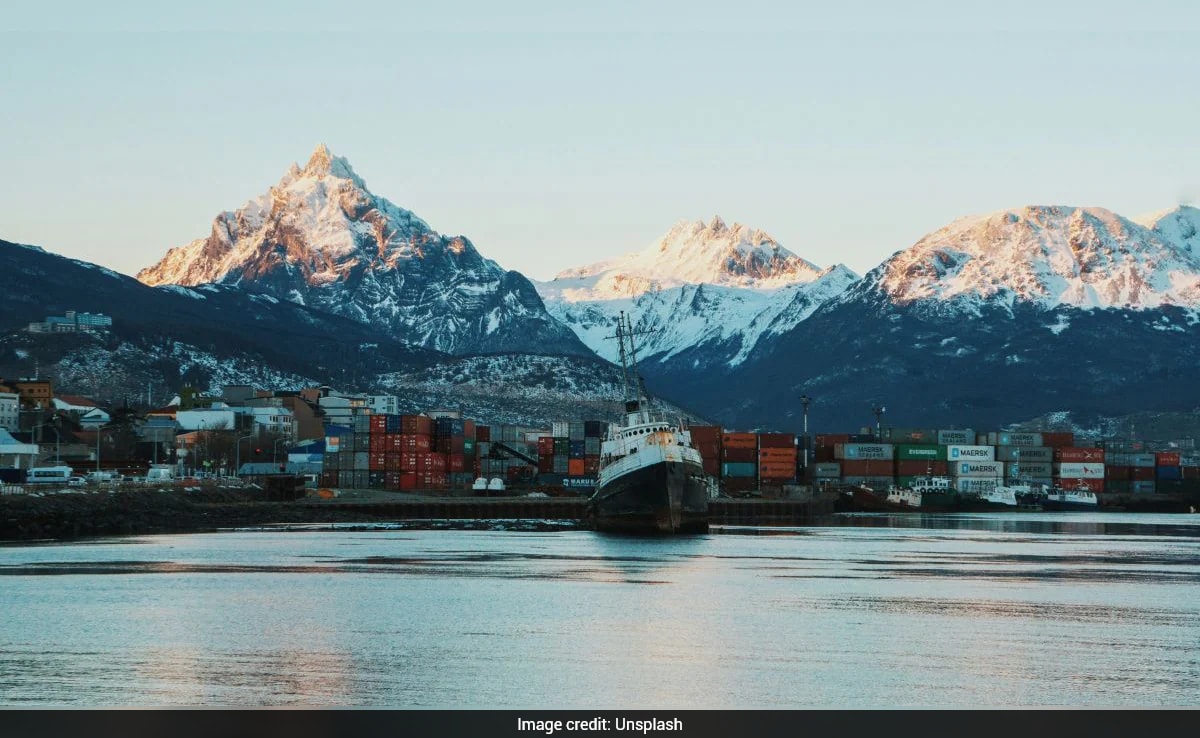
The detection of the Andes orthohantavirus (ANDV) strain within a cruise ship environment represents a critical shift in public health risk assessment because ANDV is the only hantavirus variant confirmed to exhibit human-to-human transmission. Standard hantavirus protocols focus almost exclusively on rodent-to-human spillover via aerosolized excreta. However, the confirmation of eight cases in a confined, high-density setting suggests that the viral reproductive rate ($R_0$) in these specific micro-climates is higher than previously modeled. This incident necessitates a transition from reactive containment to a structural understanding of how ANDV exploits the intersection of confined ventilation systems and close-quarter social interactions.
The Dual Transmission Mechanism of Andes Orthohantavirus
The primary threat of ANDV lies in its biological deviation from other New World hantaviruses like Sin Nombre. While most hantaviruses are dead-end infections in humans, ANDV utilizes two distinct pathways that create a compounding risk profile.
- Aerosolized Zoonotic Exposure: The traditional pathway involves the inhalation of viral particles from the Oligoryzomys longicaudatus (long-tailed pygmy rice rat). On a cruise ship, this occurs if stores or supplies are contaminated at the point of origin or during port loading in endemic regions of South America.
- Interpersonal Viral Shedding: ANDV is present in the saliva and respiratory droplets of infected individuals for several days before the onset of symptomatic Hantavirus Pulmonary Syndrome (HPS). In a cruise ship’s communal dining or theater spaces, the probability of transmission increases as the "contact rate" variable in the $R_0$ equation scales.
The incubation period for ANDV ranges from 7 to 45 days. This delay creates a "stealth window" where infected passengers can traverse multiple international borders or remain on a vessel for the duration of a voyage while unknowingly shedding the virus. The eight confirmed cases likely represent the first cluster of a multi-generational transmission chain where the index case was exposed landside, and subsequent cases occurred through direct contact or shared airspace.
The Ventilation Bottleneck and Pathogen Concentration
Cruise ship HVAC (Heating, Ventilation, and Air Conditioning) systems are designed for thermal comfort and energy efficiency, often recycling a percentage of cabin air to maintain temperatures. In the context of an ANDV outbreak, this engineering choice becomes a biological liability.
Hantaviruses are enveloped viruses, making them susceptible to desiccation, yet they remain viable in cool, moist environments—conditions often found in maritime ductwork. If the filtration systems do not utilize HEPA-grade materials (MERV 17-20), the viral particles can bypass standard filters. The concentration of viral loads in recirculated air follows a logarithmic growth pattern relative to the number of active shedders in the zone.
The risk is not uniform across the ship. Pathogen mapping usually reveals "hot zones" centered around:
- Vertical Shared Ducting: Connecting vertically aligned cabins.
- High-Volume Air Exchanges: Areas like casinos or dining halls where air is moved rapidly but not necessarily purified.
- Common Surface Interfaces: While respiratory droplets are the primary concern, the stability of ANDV on non-porous surfaces (fomites) in high-humidity environments remains an under-researched variable that likely contributes to the 25-35% secondary attack rate observed in previous Chilean outbreaks.
Clinical Progression and the HPS Mortality Curve
Hantavirus Pulmonary Syndrome (HPS) caused by the Andes strain is characterized by a rapid, violent transition from prodromal symptoms to respiratory failure. The case fatality rate (CFR) for ANDV consistently hovers between 25% and 40%, making it significantly more lethal than most contemporary respiratory pathogens.
The clinical timeline follows a predictable, yet narrow, window for intervention:
- Phase I (Febrile): 3-5 days of high fever, myalgia, and gastrointestinal distress. At this stage, ANDV is frequently misdiagnosed as influenza or norovirus, a common error in maritime medicine.
- Phase II (Cardiopulmonary): Rapid onset of pulmonary edema and hypotension. This is caused by increased vascular permeability; the virus doesn't "attack" the lungs so much as it causes the body’s capillaries to leak plasma into the alveolar spaces.
- Phase III (Convalescence or Death): Patients who survive the first 48 hours of the cardiopulmonary phase typically show rapid recovery, as the immune system clears the viremia.
The bottleneck for cruise ship management is the lack of on-board Extracorporeal Membrane Oxygenation (ECMO) equipment. Once a patient enters Phase II, standard supplemental oxygen is often insufficient. Survival becomes a function of evacuation speed to a land-based tertiary care facility.
Operational Risk Strategy for Maritime Operators
Managing an ANDV outbreak requires a departure from standard "Sanitation Level 3" protocols used for norovirus. Because the virus is sensitive to lipid solvents and diluted bleach, environmental decontamination is straightforward, but the human element is not.
Structural Containment Logic
The first step is the immediate cessation of air recirculation in the affected sectors. Shifting to 100% outside air intake reduces the viral density per cubic meter, even if it increases fuel consumption for climate control. This is a strategic trade-off: the cost of fuel is negligible compared to the liability of a shipwide quarantine or mass mortality event.
Diagnostic Triage Framework
Medical staff must apply a high-specificity screening tool. Any passenger presenting with fever and a decreased platelet count (thrombocytopenia) must be treated as a presumptive ANDV case. In the absence of rapid PCR testing on board, the "Hantavirus Score" (a combination of fever, myalgia, and low platelets) serves as the primary decision-making metric for medical disembarkation.
Chain of Custody for Supplies
The detection of the Andes strain suggests a breach in the terrestrial supply chain. Strategic analysis of the eight cases should focus on the "pantry-to-cabin" pathway. If the cases are geographically dispersed across the ship but share a common dining window, the source is likely contaminated dry goods or produce loaded at a port where Oligoryzomys longicaudatus populations are high.
The Economic and Regulatory Friction
An ANDV outbreak triggers a "Port of Refuge" crisis. Unlike standard medical emergencies, coastal states are often reluctant to allow a vessel with a confirmed human-to-human hantavirus strain to dock. This creates a geometric increase in operational risk.
- Insurance Liability: Standard P&I (Protection and Indemnity) clubs may have clauses regarding "known endemic threats." Failure to implement rodent-proof loading protocols in South American ports could be categorized as negligence.
- Reputational Decay: The "deadly ship" narrative is difficult to scrub from consumer sentiment. The 35% mortality rate of HPS creates a visceral fear that exceeds the actual statistical risk to the average traveler.
The primary limitation in the current response is the reliance on enzyme-linked immunosorbent assay (ELISA) testing, which often takes days to process in land-based labs. The development and deployment of shipboard loop-mediated isothermal amplification (LAMP) tests for ANDV would provide the 30-minute diagnostic turnaround necessary to isolate cases before they reach the high-shedding phase.
Strategic Recommendation for Pathogen Mitigation
Maritime entities operating in the Southern Cone must re-engineer their biosafety protocols from the ground up. The current strategy of surface wiping is inadequate for a virus that leverages both aerosolization and interpersonal contact.
- Immediate HVAC Retrofitting: Install UVC germicidal irradiation within the plenum of cruise ship air handling units. UVC light at 254 nm effectively disrupts the RNA of orthohantaviruses, neutralizing the risk of ventilation-based spread.
- Contact Tracing Automation: Use wearable "smart keys" (RFID) to retrospectively map the movements of the eight confirmed cases. The goal is to identify "overlap nodes"—specific bars, elevators, or buffets—where air stagnation and human density coincided.
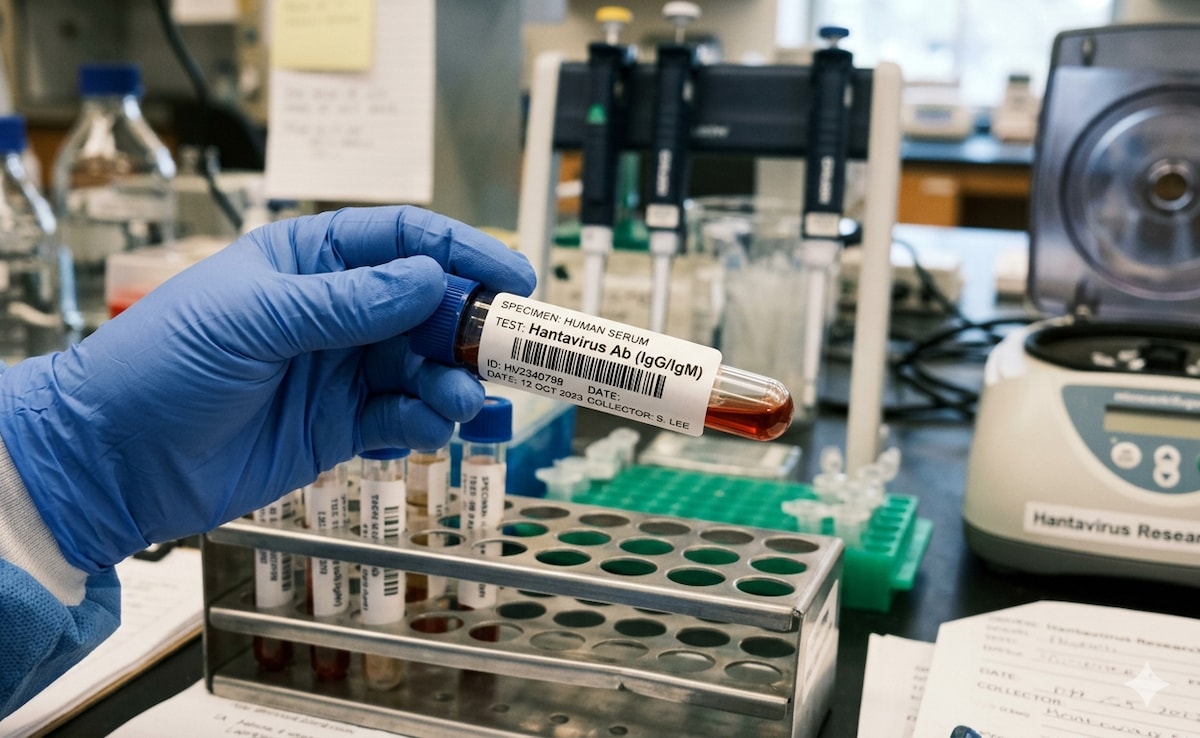
- Proactive Serology: Crew members who have been in high-risk zones for multiple seasons should be screened for IgG antibodies. Understanding the baseline immunity within the staff provides a clearer picture of whether these eight cases are an isolated spike or part of a persistent, low-level circulation.
The transition of Andes Hantavirus from a rural, silvatic threat to a maritime, urbanized threat marks a new phase in viral evolution. The cruise ship is not just a carrier of passengers; it is a laboratory for $R_0$ acceleration. Operators who fail to account for the interpersonal transmission variable of the Andes strain are operating on an obsolete epidemiological model. Control depends on treating the vessel as a closed ecosystem where air quality and supply chain integrity are the only viable barriers against a high-fatality pathogen.