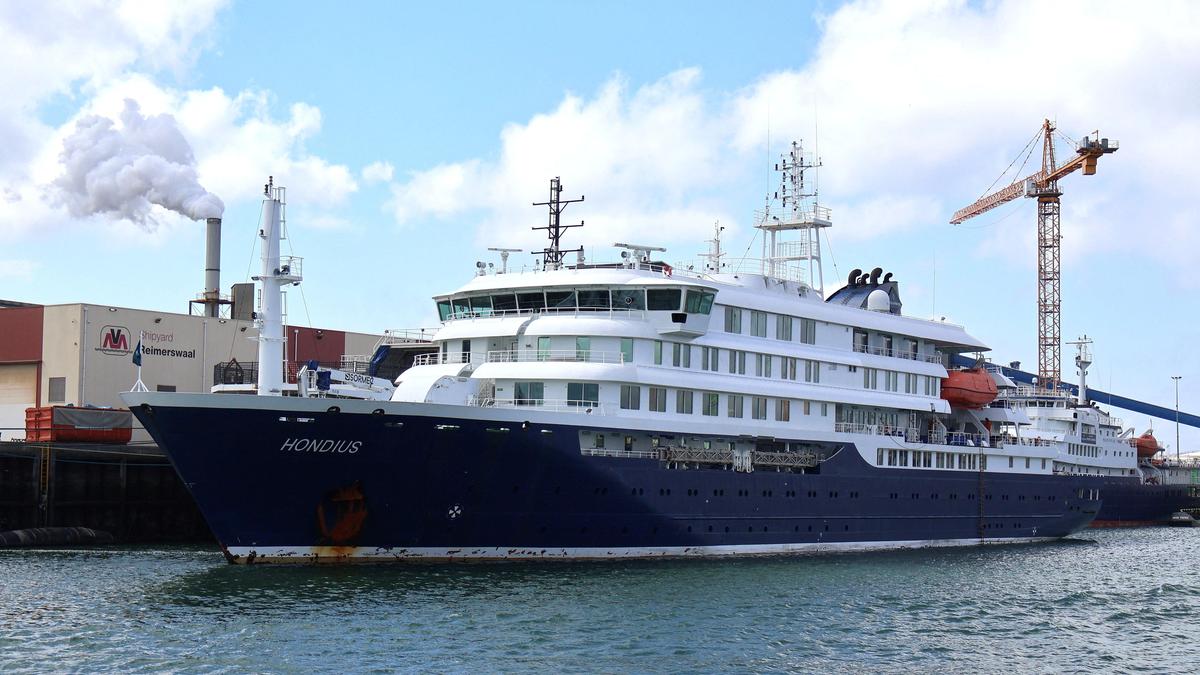
The detection of a suspected hantavirus outbreak aboard the polar expedition vessel MV Hondius—resulting in three fatalities among a population of roughly 150 passengers and 70 crew members—presents a complex epidemiological problem. While the World Health Organization (WHO) has categorized the immediate risk to the general public as low, this classification relies on the historical mechanics of hantavirus transmission rather than the logistical complexities of a closed-system maritime environment. Assessing the actual systemic risk requires examining the specific vector dynamics, environmental variables, and structural barriers to transmission within this outbreak.
The Closed-System Transmission Dynamics
Hantaviruses are non-segmented, negative-sense RNA viruses belonging to the family Hantaviridae. Unlike highly transmissible respiratory pathogens such as SARS-CoV-2 or influenza, hantaviruses are typically zoonotic dead-ends. The transmission mechanism relies on the aerosolization of excreta from infected rodent hosts.
[Infected Rodent Excreta] ──> [Desiccation & Disturbance] ──> [Aerosolized Microparticles] ──> [Inhalation by Human Host]
In typical terrestrial settings, this chain breaks down rapidly due to UV degradation and air dilution. However, within a maritime architecture, the risk profile alters due to specific structural mechanics.
1. The Ventilation Amplification Variable
Modern marine vessels utilize recirculating Heating, Ventilation, and Air Conditioning (HVAC) systems. If a rodent infestation occurs within the hold, maintenance tunnels, or food storage areas, the desiccation of rodent urine, feces, or saliva produces microparticles that are drawn into the ship's air handling units.
The physical containment of the vessel limits air exchange with the outside environment. This increases the concentration of aerosolized viral particles in confined spaces, bypassing the natural dilution effect that usually renders outdoor exposure negligible.
2. The Vector Persistence Bottleneck
The MV Hondius departed Ushuaia, Argentina, traveling through Antarctica and remote South Atlantic islands before arriving off Cape Verde. This itinerary limits the introduction of new rodent vectors.
The outbreak implies that either a persistent, infected rodent population was harbored on the vessel prior to departure, or contaminated supplies were brought aboard during provisioning. The survival of the virus in dried excreta is dependent on ambient humidity and temperature; colder polar environments can prolong the viability of the virus outside the host, extending the window of transmission.
Stratifying Clinical Severity and Phenotypes
Hantaviruses manifest in two primary clinical syndromes, both characterized by high mortality rates and rapid progression. Identifying which specific viral strain is responsible through genomic sequencing is the immediate clinical bottleneck.
Hantavirus Pulmonary Syndrome (HPS)
Predominant in the Americas and likely linked to the Argentine origin of the voyage, HPS is characterized by a rapid escalation from non-specific febrile illness to non-cardiogenic pulmonary edema.
- Initial Phase (Days 1–5): Fever, severe myalgia, and gastrointestinal distress.
- Cardiopulmonary Phase: Sudden onset of progressive cough and shortness of breath caused by increased capillary permeability.
- Pathology: The virus targets vascular endothelial cells, particularly in the lungs, leading to massive fluid leakage into the alveolar spaces. Without mechanical ventilation and aggressive supportive care, mortality rates approach 35% to 40%.
Hemorrhagic Fever with Renal Syndrome (HFRS)
More common in Europe and Asia, HFRS presents a distinct pathophysiological progression that impacts renal function.
- Febrile and Hypotensive Phases: Characterized by abrupt vascular leakage and severe thrombocytopenia.
- Oliguric Phase: Microvascular damage leads to acute kidney injury, severe internal bleeding, and a drop in urine output.
- Recovery Phase: Diuresis indicates the restoration of renal function, though long-term damage may persist.
The rapid deaths reported onboard—occurring within days of symptom onset—suggest a high viral load exposure or a particularly virulent strain of HPS. This underscores the importance of the ongoing genetic sequencing conducted by regional laboratories.
Structural Challenges in Maritime Isolation and Evacuation
Managing a high-consequence pathogen outbreak on a vessel in transit across the Atlantic Ocean creates severe logistical bottlenecks that terrestrial public health infrastructure does not face.
The Triage and Evacuation Bottleneck
The MV Hondius was positioned near remote islands—Saint Helena, Ascension Island, and eventually Cape Verde—when symptoms escalated. These locations lack the tertiary medical facilities required to manage acute respiratory distress syndrome (ARDS) or acute kidney failure.
[Onboard Symptom Onset] ──> [Limited Onboard Supportive Care] ──> [Logistical Delay in Evacuation] ──> [Accelerated Clinical Decline]
Because advanced hantavirus progression requires intensive care support, the time delay between symptom recognition, port diversion, and international medical evacuation directly correlates with elevated mortality rates.
The Human-to-Human Transmission Risk
The WHO's assessment that public risk is low rests on the fact that almost all hantaviruses are non-communicable between humans. The notable exception is the Andes virus (Andes orthohantavirus), native to South America, which has demonstrated limited person-to-person transmission through close contact.
Given that the cruise originated in Argentina, the risk of person-to-person transmission cannot be definitively ruled out until full genomic sequencing is completed. This creates a high-stakes scenario for contact tracing in South Africa, where evacuated patients are currently being treated.
Operational Containment Strategy
To mitigate the risk of further transmission and secure the vessel, the containment response must execute three parallel operations.
Vector Eradication and Environmental Decontamination
The primary source must be eliminated. This requires a comprehensive rodent control program throughout the vessel's sub-structures.
Decontamination of potentially affected surfaces must avoid dry sweeping or vacuuming, which aerosolizes viral particles. Instead, maintenance teams must utilize wet application of sodium hypochlorite solutions or phenolic disinfectants while wearing powered air-purifying respirators (PAPRs).
Epidemiological Investigation and Contact Tracing
Public health authorities in South Africa and Cape Verde are managing the human downstream impact. The primary focus is defining the exposure window for the 150 passengers.
Because the incubation period for hantaviruses ranges from one to eight weeks, passengers must be monitored long after disembarkation. Contact tracing is focused on identifying any secondary transmission chains, particularly among medical staff who handled the initial, unisolated patients.
Air Handling Isolation
Until the exact vector source is located and eliminated, the vessel’s HVAC system should maximize the intake of outside air and utilize HEPA filtration where air must be recirculated. This prevents the continuous distribution of aerosolized contaminants from isolated, inaccessible compartments of the ship into public and residential areas.