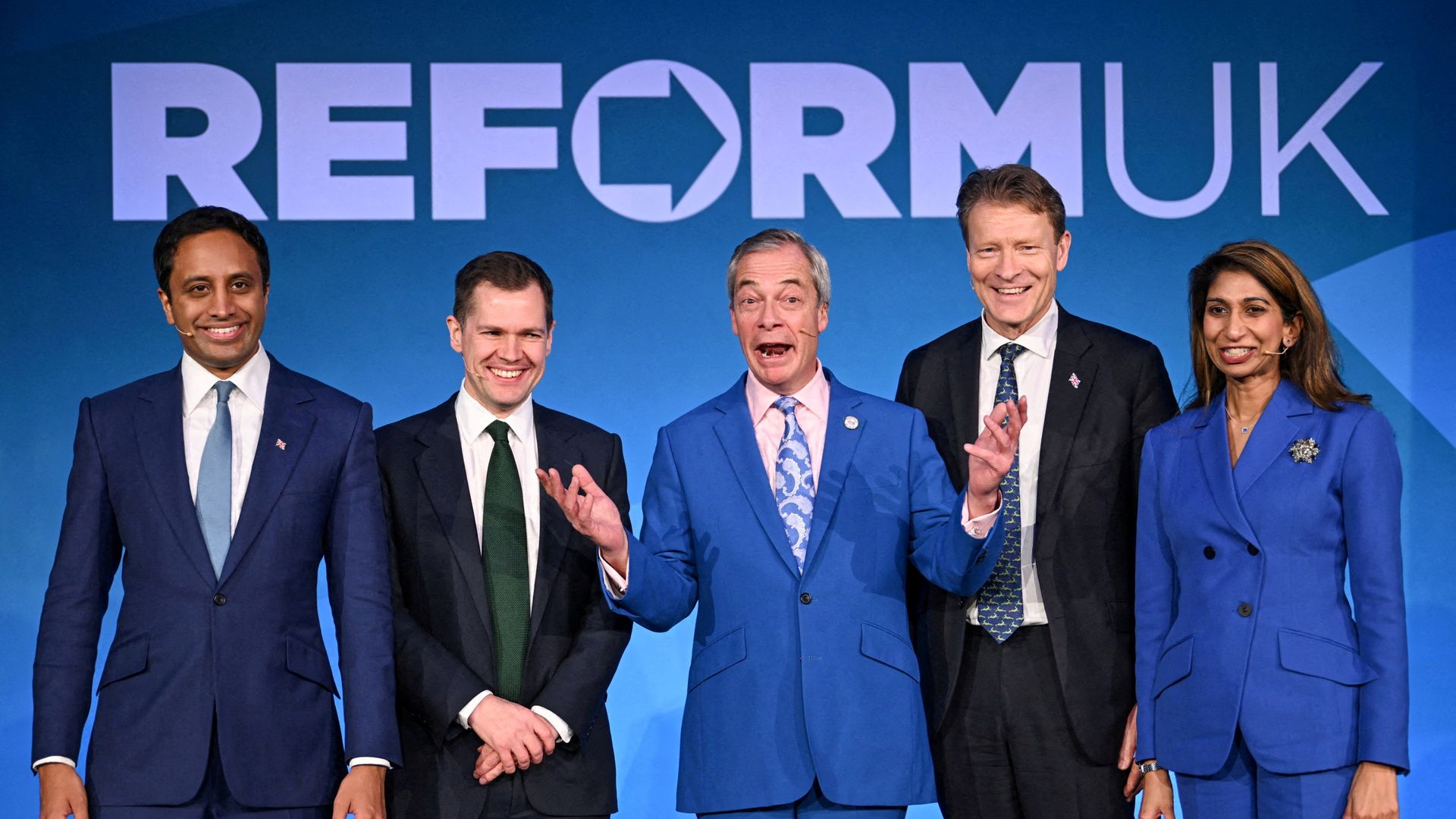
Football and politics have always been messy roommates. Lately, they're barely on speaking terms. When the Football Association (FA) recently hit back at Reform UK’s "woke nonsense" complaints, it wasn't just a PR spat. It was a collision between two very different visions of what the English national game should look like in 2026.
Reform UK leaders have been vocal. They've targeted everything from the color of the St. George’s Cross on the back of training kits to diversity initiatives within the coaching ranks. To them, the FA has drifted too far from its core mission of winning trophies and into the territory of social engineering. The FA disagrees. They see these moves as essential for a modern, inclusive sport that represents everyone in the country.
Why the FA Is Doubling Down
The FA isn't backing away from its current path. They've made it clear that their "A Game For All" strategy is a non-negotiable part of their business model. It's not just about optics. It's about money and talent. If you alienate a huge chunk of the population, you're shrinking your talent pool and your commercial reach.
For many fans, the frustration stems from a feeling that the "purity" of the game is being sacrificed. They want to talk about 4-4-2 formations and VAR blunders, not unconscious bias training. But the FA argues that you can't have one without the other. They believe a more diverse boardroom leads to better decisions on the pitch. Whether you buy that or not depends on your own political leaning.
The St Georges Cross Controversy
The flashpoint for much of this anger was a subtle change to the national flag on official merchandise. Reform UK called it a "mutilation" of a national symbol. The FA called it a "playful update."
Honestly, it's a bit of both.
Nike and the FA tried to be clever and it backfired. When you mess with national symbols, people get twitchy. It gave Reform UK an easy win. They could point at a multicolored cross and say, "Look, they're ashamed of being English." It’s a powerful narrative, even if it’s a stretch. The FA’s response has been to stay the course, insisting that the traditional flag still flies at Wembley and that the kit design was never meant to replace it.
Diversity in Coaching and the Reality of the Numbers
One of the big sticking points is the FA's push for more diverse representation in coaching roles. Reform UK argues that this leads to "identity politics" taking precedence over merit. They claim that the best person for the job should get it, regardless of their background.
The FA’s counter-argument is simple. They believe the system was never a true meritocracy to begin with. If the vast majority of coaches come from one specific demographic, they argue, it’s because of systemic barriers, not a lack of talent elsewhere. They’ve introduced targets to ensure that underrepresented groups get a fair look.
Is it working? The data is mixed. We’ve seen an uptick in diverse appointments at the youth levels, but the top tier of the professional game remains stubbornly uniform. Critics say these targets are just "woke" quotas. Supporters say they’re a necessary correction for decades of exclusion.
The Commercial Reality of Modern Football
We have to look at the money. Football is a global business. The Premier League and the England national team are massive exports. Sponsors like Coca-Cola, Google, and Budweiser have their own diversity and inclusion goals. They want to partner with organizations that align with their brand values.
If the FA ignores these social shifts, they risk losing hundreds of millions in sponsorship revenue. It’s not just about being "woke." It’s about being bankable. Reform UK might see it as a betrayal of tradition, but the FA sees it as a fiduciary duty. They need to keep the lights on and the grass green.
Navigating the Fan Divide
The biggest challenge for the FA isn't fighting with politicians. It’s managing the fans. Go to any pub on a Saturday and you’ll hear the divide. Some fans love the new direction. They feel more welcome at matches than they did twenty years ago. Others feel like the game they grew up with is being stolen by people who don't even like football.
The FA has to walk a tightrope. If they lean too far into the social justice angle, they lose the "traditional" fanbase. If they ignore it, they lose the younger, more diverse generation. It’s a brutal balancing act that satisfies almost no one.
What Actually Happens Next
This isn't going away. Expect more headlines every time a new kit is released or a new board member is appointed. The FA has signaled that they won't be bullied by political parties, but they also know they can't ignore the sentiment of a large portion of their audience.
The real test will be results. If the England men’s or women’s teams keep winning, most fans will look past the politics. Success on the pitch is the ultimate distraction. But if the teams struggle, the "woke" accusations will get louder. People will blame the focus on social issues for the lack of focus on football.
If you're a fan who just wants to watch the game, your best bet is to focus on the 90 minutes. The noise around the edges is mostly about power and branding. Pay attention to the FA’s official "A Game For All" reports if you want to see the actual metrics they're using. Check the coaching statistics published by the Professional Footballers' Association (PFA) to see if the diversity pushes are actually changing the face of the dugout. Don't just rely on the headlines from either side. Look at the numbers yourself.