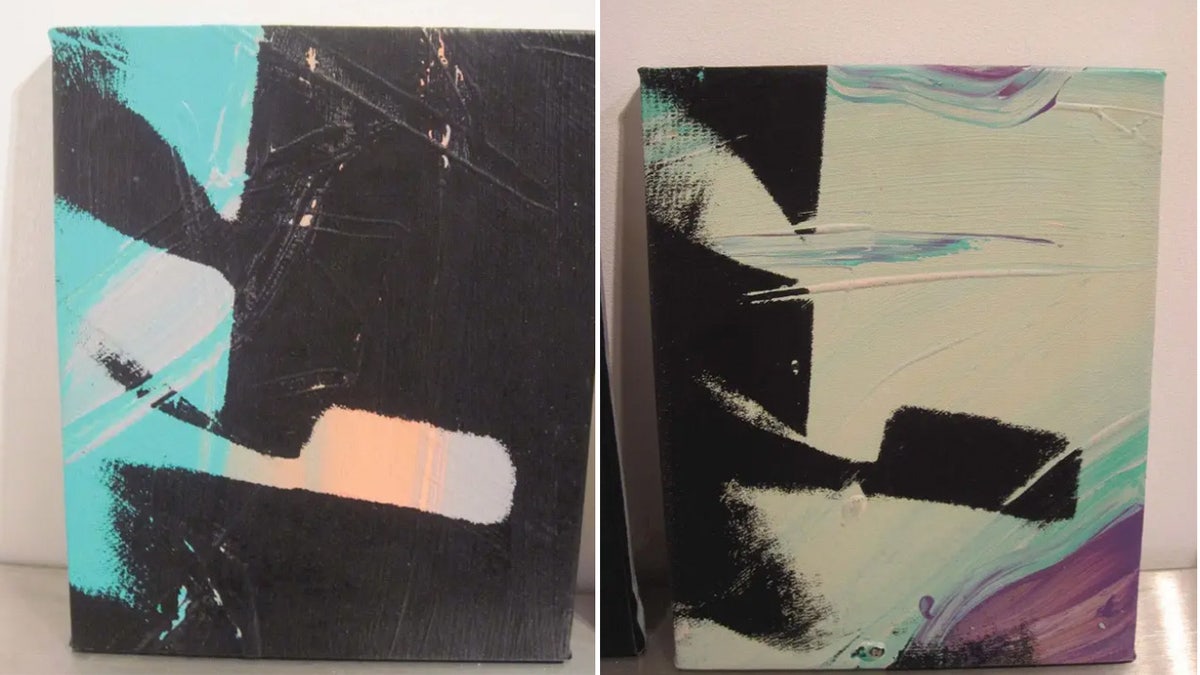
Greed and family rarely mix well when fine art enters the picture. You’d think selling a forgery of one of the most recognizable artists in history would be a suicide mission, but Brian and Elizabeth Werth managed to pull it off for years. They didn't just dabble in art fraud. They turned it into a family business. Now, the party is over.
Both recently pleaded guilty to federal charges in a scheme that involved selling fake Andy Warhol prints to unsuspecting buyers. It’s a messy story that exposes exactly how fragile the art market can be when someone knows how to exploit the name of a pop art icon. For an alternative view, check out: this related article.
How the Werth Forgery Scheme Worked
Brian Werth and his daughter Elizabeth didn't just stumble into this. They knew exactly what they were doing. The pair focused on Warhol because his style—mass-produced screenprints—is deceptively easy to mimic if you have the right equipment and a complete lack of ethics. They weren't just selling "inspired" works. They were passing these off as authentic, signed originals.
The scheme relied on the high demand for Warhol’s "Ads" series and his iconic "Marilyn" prints. These are the blue chips of the art world. People want them because they hold value. The Werths used this desire against their victims. They created high-quality fakes and then fabricated a trail of paperwork to make the pieces look legitimate. Similar coverage on this matter has been provided by Associated Press.
In the art world, we call this "provenance." It’s the history of who owned the piece. If you can fake the history, you can sell the lie. The Werths were masters of the lie. They used online auction platforms and direct sales to move the merchandise, often targeting collectors who were looking for a deal that was, quite frankly, too good to be true.
Why Warhol Is the Perfect Target for Fraud
You have to understand why forgers love Andy Warhol. Most artists have a "hand" that’s hard to replicate—a specific way they hold a brush or layer oil paint. Warhol leaned into the machine. He literally called his studio "The Factory."
Because his work was meant to look industrial and repetitive, a skilled printer can produce something that looks eighty percent authentic without much effort. That last twenty percent—the paper type, the specific ink chemistry, and the signature—is where most people get caught. But for a casual collector or an online buyer, eighty percent is often enough to get them to open their checkbooks.
The Werths capitalized on the fact that Warhol’s market is saturated. There are thousands of genuine prints out there. Slipping a few dozen fakes into the stream isn't as hard as trying to sell a fake Da Vinci. It’s easier to hide a drop of water in the ocean.
The Guilty Plea and the Legal Fallout
The legal hammer finally came down because of a sting operation. Federal investigators don't play around when it comes to wire fraud and interstate commerce. By using the internet to sell their fakes, the Werths turned a local scam into a federal case.
- Brian Werth pleaded guilty to conspiracy to commit mail and wire fraud. He's the one who likely handled the logistics and the "sourcing" of the fakes.
- Elizabeth Werth also pleaded guilty for her role in the communication and sale of the forged works.
They faced the reality that the evidence was overwhelming. When the FBI starts comparing ink samples under a microscope and tracing digital footprints back to your IP address, there isn't much room to wiggle. Their guilty pleas are a massive win for the integrity of the art market, though it does little to help the people who already lost hundreds of thousands of dollars.
Spotting a Fake Warhol Before You Buy
If you’re in the market for high-end art, you need to be paranoid. I’m serious. The Werth case proves that even "professional" looking setups can be total shams. Don't trust a signature just because it looks messy in the right way.
First, look at the paper. Warhol used specific types of heavy paper and board, like Lenox Museum Board. Forgers often get the weight wrong. If the paper feels too thin or too modern, walk away. Second, check the signature against known authentic examples from the same year. Warhol’s signature changed over time. A 1960s signature on a 1980s-style print is a massive red flag.
Most importantly, look at the source. The Werths used auction sites that don't have rigorous vetting processes. If you aren't buying from a gallery with a reputation that spans decades, you’re gambling. And in the art world, the house usually wins.
Common Red Flags in Art Sales
- Prices that are 30% to 50% below market value.
- Sellers who refuse to provide high-resolution photos of the back of the print.
- Provenance that only goes back five or ten years.
- A "rush" to close the deal.
The Damage to the Art Market
This isn't a victimless crime. Beyond the people who lost money, every forgery that enters the market degrades the value of real art. It creates a "trust tax." Now, every time a legitimate Warhol comes up for sale, the buyer has to spend more money on authentication and legal fees just to be sure they aren't getting a "Werth Special."
It also hurts smaller galleries. These institutions don't have the massive legal budgets of Sotheby’s or Christie’s. When forgers like Brian and Elizabeth flood the market, it makes collectors scared to buy anything. That fear kills the industry.
The Werths' greed didn't just fill their pockets; it poisoned the well for everyone else. Their guilty pleas are a start, but the fakes they sold are still out there. Some of them might be hanging in living rooms right now, the owners completely unaware they’re staring at a high-priced photocopy.
Protect Your Investment
If you already own a Warhol and you’re starting to sweat, get it appraised by an independent expert who has no skin in the game. Don't go back to the person who sold it to you. You need a fresh set of eyes.
Check for the Andy Warhol Foundation stamps, but remember those can be faked too. The best thing you can do is cross-reference your print’s edition number with the official catalogue raisonné. This is the definitive list of every work an artist actually produced. If your number doesn't match the records, you have a problem.
Moving forward, stop looking for "deals." Fine art isn't a flea market. If you want a Warhol, pay the market rate at a reputable dealer. Anything else is just asking to get scammed by the next father-daughter duo with a printer and a dream. Search for "certified art appraisers" in your area and keep your documentation in a fireproof safe. Once you lose the paperwork, you've lost half the value of the art, even if it's real.