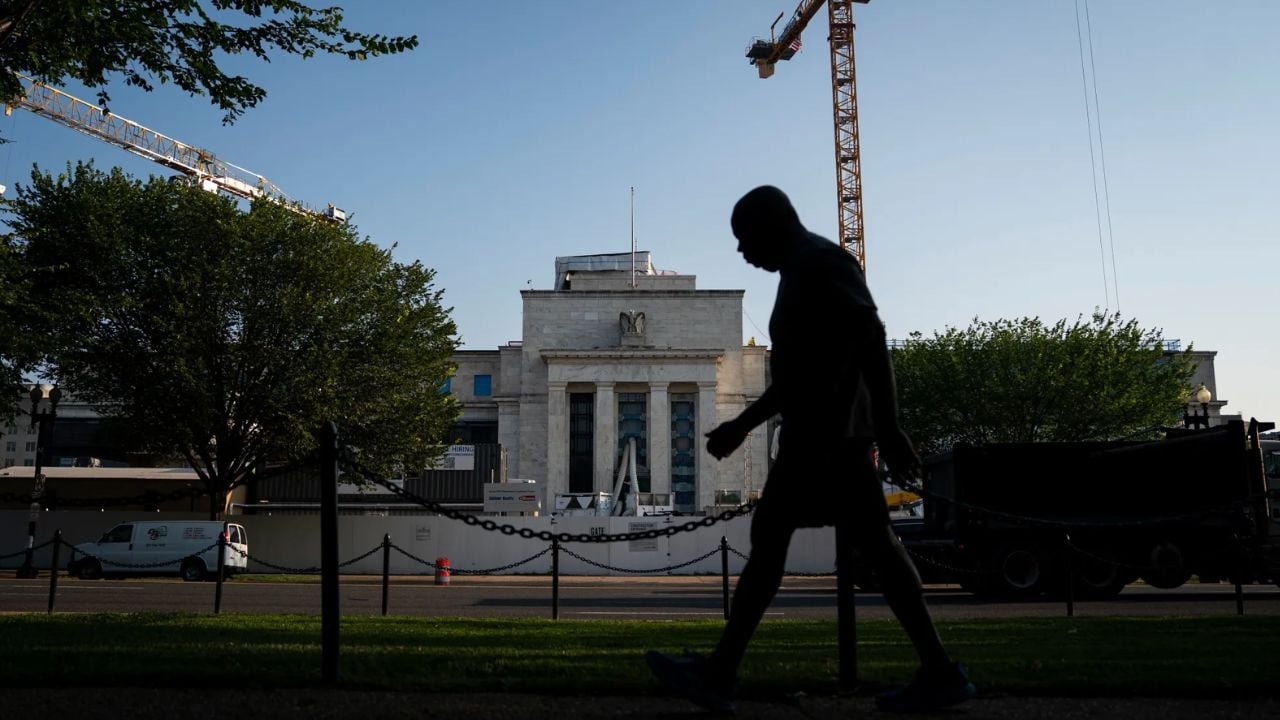
The Federal Reserve isn’t just watching inflation numbers and hiring charts anymore. They’re watching the skies over the Middle East. If you read the latest Fed minutes, you’ll see a central bank that’s sweating over the geopolitical chaos between Israel and Iran. It isn't just about humanitarian tragedy or regional instability. For the Fed, an Iran war represents a massive, two-sided risk that could blow their "soft landing" strategy out of the water.
They’re stuck. If the conflict escalates, energy prices spike. If energy prices spike, inflation stays sticky. But if the global economy buckles under the weight of that uncertainty, we’re looking at a recession that hits faster than anyone expected. The Fed is basically trying to land a plane while someone is throwing rocks at the engines. They see risks everywhere, and frankly, they’re right to be worried.
The Oil Spike That Keeps Jerome Powell Awake
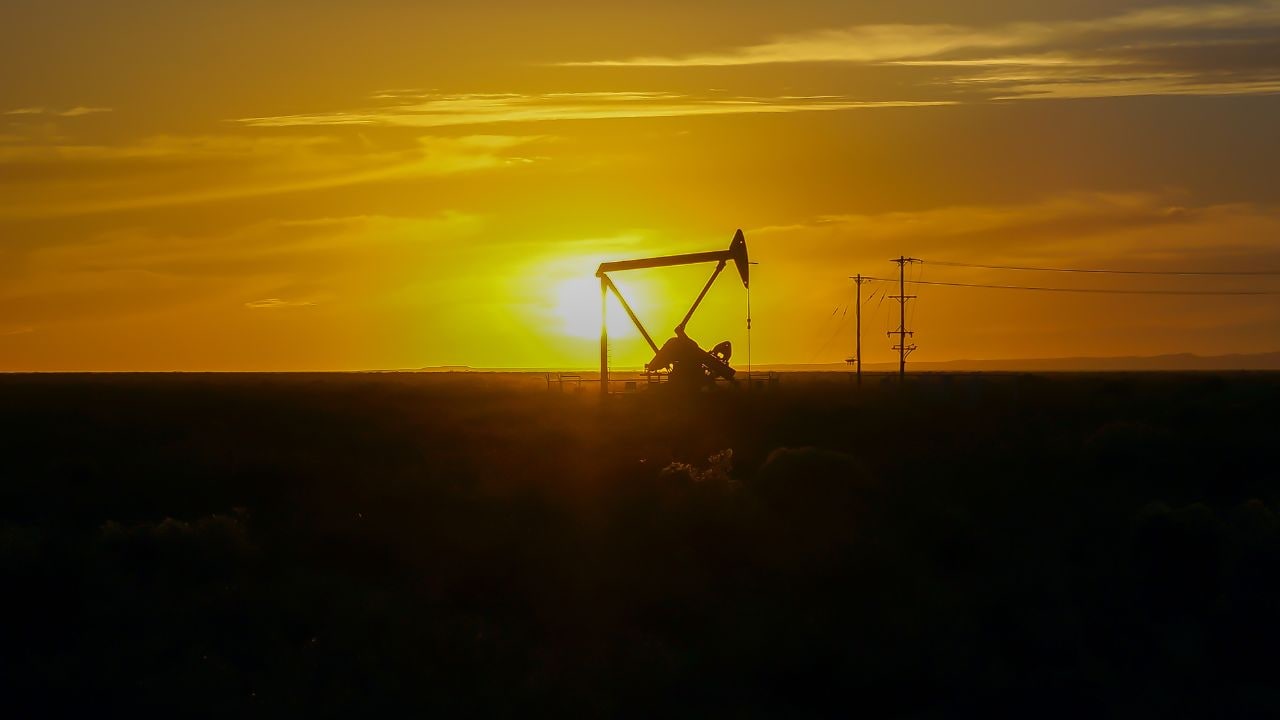
We’ve all seen this movie before. Conflict in the Middle East usually leads to one thing at the gas pump: pain. The Fed officials specifically noted that a wider war involving Iran could choke off supply lines in the Strait of Hormuz. Roughly 20% of the world’s total oil consumption passes through that narrow stretch of water.
If that gets blocked or even threatened, oil doesn't just go up a few bucks. It rockets. We’re talking about a potential jump to $120 or $150 a barrel. For a Fed that’s been fighting tooth and nail to get CPI down to 2%, a sudden energy shock is a nightmare. It’s "cost-push" inflation. It doesn't matter how much they raise interest rates; they can’t drill more oil with a federal funds rate.
The minutes show that officials are terrified of losing the progress they’ve made. They’ve spent two years trying to convince the public that inflation is under control. A war-driven spike in gas prices ruins that narrative instantly. It resets inflation expectations. When people see $5 or $6 a gallon, they start demanding higher wages. Then you’re in a wage-price spiral that’s nearly impossible to break without causing a massive depression.
Why Supply Chains are Still Vulnerable
It’s not just oil. Iran sits at a crossroads for global trade. Shipping companies are already rerouting around the Cape of Good Hope to avoid Red Sea tensions. Adding a full-scale Iran war to the mix makes everything more expensive. Electronics, car parts, clothing—everything that moves on a ship gets a "war surcharge."
The Fed knows this. They mentioned that these supply-side shocks are "upside risks" to inflation. Basically, they’re saying that even if the US economy slows down, prices might keep rising because of things happening 7,000 miles away. That’s the definition of stagflation. It’s the worst-case scenario for any central banker.
The Other Side of the Coin is Economic Paralysis
While half the room is worried about inflation, the other half is worried about growth. This is the "two-sided risk" mentioned in the minutes. War creates a massive cloud of uncertainty. When CEOs don't know if a global conflict is about to break out, they stop spending. They freeze hiring. They put big capital projects on hold.
This "downside risk" to economic activity is just as scary as inflation. If the Iran war causes a global "risk-off" event, the stock market could tank. Consumer confidence would crater. We could see a situation where the economy enters a recession while inflation is still high.
I’ve watched the Fed for years, and they usually try to sound confident. This time, they sound hedged. They’re basically admitting they don't have a playbook for a 2026 regional war. They’re reactive, not proactive. They’re waiting to see which risk hits harder—the price hike or the economic slowdown. It’s a coin flip with trillions of dollars on the line.
The Problem with High Interest Rates
Right now, rates are high. The Fed kept them there to kill inflation. But if a war hits and the economy starts to slide, they need to cut rates to save jobs. Here’s the catch: if they cut rates while oil is at $130, they’re pouring gasoline on the inflation fire.
They’re trapped in a box. The minutes reflect a group of people who realize their primary tool—interest rates—might be useless against a geopolitical shock. If they keep rates high to fight war-driven inflation, they crush the housing market and small businesses. If they cut rates to help the economy, they let inflation run wild. There’s no "win" here.
Market Reaction and the Flight to Safety
Investors aren't stupid. They read between the lines of these minutes. You’ve probably noticed gold prices hitting new highs or the dollar getting stronger. That’s the market’s way of saying, "We don't trust the soft landing anymore."
When the Fed mentions two-sided risks, the market hears "volatility." We’re seeing a shift where "good news" for the economy is actually "bad news" because it means the Fed won't cut rates. But "bad news" about the war is just bad news for everyone.
The minutes suggest that some officials are becoming more hawkish because of the Iran threat. They want to keep rates higher for longer just in case they need the "buffer" later. But others are starting to lean dovish, fearing that the high rates plus a war shock will be the straw that breaks the camel's back.
What This Means for Your Portfolio
If you’re waiting for a clear signal, you won't get one from the Fed. They’re as confused as the rest of us. However, the minutes give us a few clues about where they’ll move if things get ugly.
- Watch the Dollar: If the Iran war escalates, the dollar likely spikes as a safe haven. The Fed knows this acts as a "de facto" rate hike, which might give them room to pause.
- Energy is the Leading Indicator: If oil stays stable despite the headlines, the Fed stays the course. If oil breaks above $100, expect the Fed to get very aggressive very quickly.
- The Labor Market is the Last Stand: The Fed will tolerate some inflation if the job market stays strong. But if the war starts causing layoffs in shipping, manufacturing, or tech, they’ll pivot to rate cuts faster than you can blink.
Why the Fed Can't Ignore the Geopolitical Map
For decades, the Fed could focus almost entirely on domestic data. Those days are gone. In a globalized world, the "neutral rate" is dictated as much by Middle Eastern drones as it is by US consumer spending.
The minutes show a committee that’s trying to balance "data-dependent" with "headline-dependent." It’s an impossible task. They’re looking at satellite imagery and oil tanker tracking data as much as they’re looking at unemployment claims. It’s a messy, complicated reality that makes the 2% inflation target look like a pipe dream.
Honestly, the Fed is in a defensive crouch. They aren't looking to lead the economy right now; they’re just trying to survive the next six months without a major crisis. They’ve admitted that the risks are balanced, which is central-bank speak for "we have no idea which way this is going to go."
Keep a close eye on the weekly oil inventory reports and the headlines out of Tehran. Those will tell you more about the next Fed meeting than any speech from a regional bank president. You need to diversify. Don't bet everything on a single outcome. The Fed isn't doing it, and you shouldn't either. Hold some cash, look at energy hedges, and stay liquid. The "two-sided risk" is real, and it’s going to make for a very bumpy ride through the rest of the year.