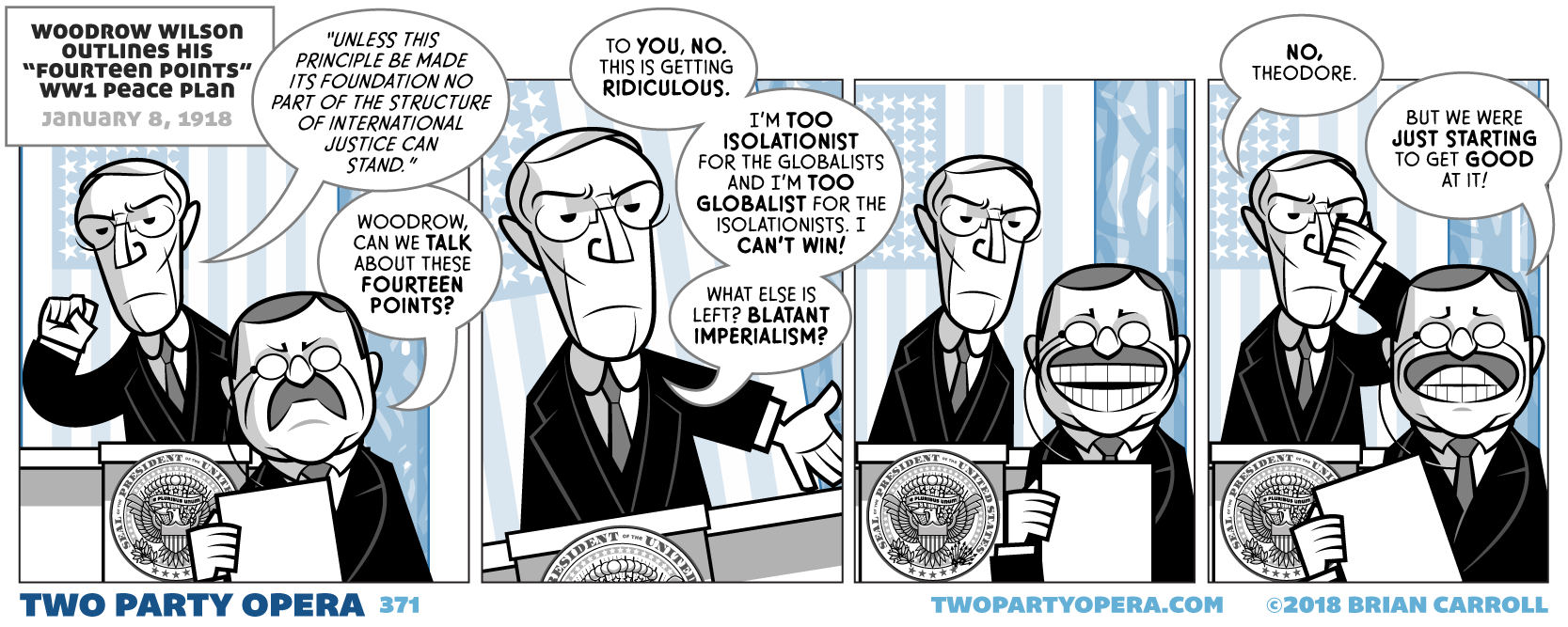
Donald Trump’s recent dismissal of Tehran’s latest diplomatic overture signals more than just a breakdown in communication. It marks the beginning of a high-stakes squeeze on Iran’s regional influence and its rapidly advancing technological capabilities. By labeling the 14-point proposal as likely unacceptable before even completing a formal review, the administration is telegraphing a return to maximum pressure, but with a sharper focus on the dual-use technologies and cyber-capabilities that Iran has spent the last decade perfecting.
The proposal, delivered through intermediaries in Oman, was framed by Tehran as a "final offer" to stabilize the Persian Gulf and revive some semblance of the nuclear deal. However, internal sources and those familiar with the draft suggest the document is less about nuclear enrichment and more about securing a guarantee for Iran’s regional proxies and its burgeoning drone export industry. Trump’s skepticism is rooted in a fundamental distrust of the Iranian clerical establishment’s ability to adhere to any framework that limits their asymmetric warfare capabilities.
The Mirage of Moderation
Tehran is desperate. Sanctions have hollowed out the rial, and internal dissent is a constant, low-boiling threat to the regime’s stability. The 14 points were designed to look like concessions—vague promises on enrichment levels and access for inspectors—but they carefully avoided any mention of the ballistic missile program or the "gray zone" activities that define Iranian foreign policy.
Critics of the administration argue that dismissing the deal out of hand misses a window for de-escalation. But for those who have watched the Iranian nuclear program evolve since the early 2000s, the 14 points look like a stalling tactic. Iran has mastered the art of the long-term negotiation, using the time spent in Swiss hotel ballrooms to advance their centrifuge technology underground. They are no longer a nation trying to figure out how to build a bomb; they are a nation deciding when the political cost of doing so becomes manageable.
Trump’s blunt assessment isn’t just political theater. It is a recognition that the old playbook of "freeze for freeze" no longer applies. The technology has moved too far. With advanced IR-6 centrifuges already spinning, the "breakout time" has shrunk to a point where traditional diplomacy cannot keep up with the physics of the enrichment process.
The Drone Shadow and Cyber Sovereignty
Perhaps the most overlooked aspect of the current tension is Iran’s emergence as a global supplier of low-cost, high-impact military technology. The 14-point proposal reportedly sought to protect Iran’s right to export "defensive technologies," a euphemism for the Shahed drones that have rewritten the rules of modern attrition warfare.
These systems represent a massive leap in cost-effective disruption. For the price of a single Western cruise missile, Tehran can launch hundreds of loitering munitions. This isn't just a military problem; it's an economic one. The cost to defend against these swarms is exponentially higher than the cost to produce them. Any deal that allows Iran to continue refining these systems under the guise of "commercial aerospace development" is a non-starter for an administration focused on neutralizing threats before they reach the battlefield.
Furthermore, the proposal touched on "digital cooperation," which intelligence analysts interpret as a request for the easing of restrictions on high-end semiconductors and server infrastructure. Iran has become a formidable actor in the cyber realm, moving from simple website defacement to sophisticated attacks on industrial control systems and financial institutions. Granting them legalized access to the global tech supply chain would be like handing a locksmith a set of master keys.
The Regional Chessboard
Saudi Arabia and the United Arab Emirates are watching this exchange with a mix of relief and anxiety. While they fear a direct kinetic conflict that would put their oil infrastructure in the crosshairs, they are equally terrified of a "grand bargain" that leaves them vulnerable to Iranian-backed militias in Yemen, Iraq, and Lebanon.
The 14 points reportedly included a "regional security architecture" that would have required the withdrawal of Western forces from the Gulf. This has been a long-standing goal of the Revolutionary Guard. By framing the removal of U.S. troops as a prerequisite for peace, Tehran is attempting to force a choice between a permanent military presence and a flawed diplomatic agreement. Trump’s "unacceptable" verdict suggests he is unwilling to trade physical presence for paper promises.
Economic Warfare as the Primary Lever
The administration is betting that the Iranian economy will break before its nuclear program does. The strategy relies on a total embargo of Iranian oil, even as Tehran finds creative ways to ship crude through "ghost fleets" and ship-to-ship transfers in the South China Sea.
Standard economic theory suggests that a country under this much pressure should eventually capitulate. However, Iran has developed a "resistance economy" that functions on smuggling, barter, and a deep-seated ideological commitment to survival. The 14-point proposal was an attempt to find a middle ground where the regime could get enough sanctions relief to prevent a total collapse without giving up its primary tools of influence.
The danger of the current impasse is the lack of an exit ramp. If the 14 points are rejected and no counter-offer is made, the Revolutionary Guard may decide that their only leverage is a rapid dash toward a nuclear test. This would force the U.S. and its allies into a "now or never" military decision. It is a volatile dynamic where a single miscalculation in the Strait of Hormuz could ignite a conflict that would send global energy prices into a tailspin.
The Hard Logic of the Review
When the administration says they are "reviewing" the proposal, they are looking for specific technical triggers. They are looking at the purity of uranium stockpiles, the specific models of centrifuges being utilized, and the telemetry of recent missile tests. They aren't looking for "good faith." They are looking for verifiable, irreversible dismantling of capabilities.
The 14 points offered none of that. They offered a return to the status quo, where Iran gets to keep its infrastructure while the West gives up its economic leverage. In the eyes of a veteran negotiator, that isn't a deal. It's an invitation to be played.
To move the needle, any future proposal from Tehran will have to address the "Triple Threat" that the current 14 points ignored: the nuclear path, the missile reach, and the proxy network. Without a comprehensive approach that tackles all three, the documents arriving from Oman will continue to find their way into the "unacceptable" pile.
The reality on the ground is that the technological gap is closing. Iran is no longer a junior partner in global instability; it is a primary exporter of the tools and tactics that define 21st-century conflict. Dealing with that reality requires more than just a 14-point list of grievances and half-measures. It requires a fundamental shift in how the regime views its place in the world. Until that shift occurs, the "maximum pressure" campaign isn't just a policy—it’s an inevitability.
The strategy now shifts toward tightening the digital and physical blockade, ensuring that the components necessary for advanced weaponry never reach Iranian ports. This is a quiet war of interdiction, intelligence, and financial isolation. It is a war that doesn't need a formal declaration to be devastatingly effective.
The rejection of the 14 points is a clear signal that the time for vague diplomacy has passed. The next phase will be defined by concrete actions, not diplomatic drafts.