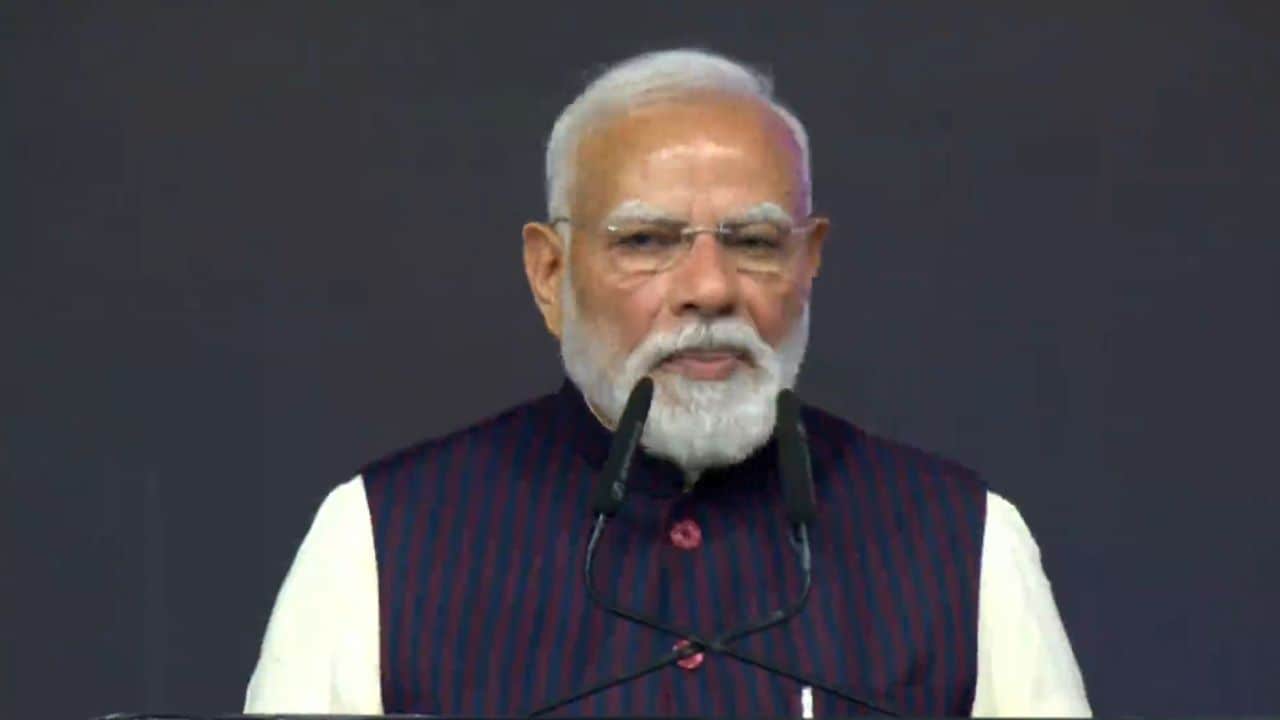
The diplomatic communications between the Indian head of government and the leadership of Saudi Arabia and Bahrain regarding the well-being of Indian residents are frequently categorized as routine consular maintenance. This classification is an analytical error. These interactions represent a critical operational necessity, functioning as the primary risk-mitigation layer for a massive, structural economic dependency.
India’s integration into the Gulf Cooperation Council (GCC) labor markets constitutes a fundamental component of its macroeconomic stability. The reliance on this specific migration corridor is not a variable that can be managed through ad-hoc administrative channels; it requires high-level political intervention to ensure the continuity of the remittance pipeline and the physical security of millions of citizens.
The Macroeconomic Bedrock: Remittance Flows and Balance of Payments
To understand the necessity of these diplomatic calls, one must first isolate the variables of the India-Gulf economic relationship. The primary metric is the volume of remittances, which acts as a direct injection of foreign exchange into the Indian economy.
The remittance influx is not merely supplemental; it is structural. In the fiscal calculus of the Indian state, these inflows provide a reliable buffer for the current account deficit. Unlike volatile Foreign Portfolio Investment (FPI) or Foreign Direct Investment (FDI), remittances from the Gulf are driven by consistent, often long-term labor contracts.
However, this reliance creates a specific vulnerability: the "Single Point of Failure" risk. If the GCC labor market contracts, or if diplomatic friction creates regulatory volatility for Indian workers, the remittance floor collapses. The recent engagements with Saudi Arabia and Bahrain are, in economic terms, a form of maintenance on the supply chain of human capital. By signaling high-level concern for the welfare of the diaspora, the state is performing a dual function:
- Direct De-risking: Assuring that the legal and physical environment for workers remains stable enough to prevent mass repatriation events.
- Institutional Signaling: Reminding host nations that the continued presence of Indian labor is a bilateral arrangement, contingent on the treatment and integration of those workers.
The Vulnerability Calculus: Analyzing the Kafala and Post-Kafala Environment
The historical friction point in the India-Gulf labor relationship has been the Kafala (sponsorship) system. While nations like Saudi Arabia and the UAE have introduced reforms to increase labor mobility, the operational reality remains tethered to the employer-employee bond.
The structural risks for Indian nationals are quantifiable:
- Contractual Asymmetry: The worker possesses limited bargaining power relative to the employer.
- Regulatory Rigidity: Changes in local visa laws or nationalization policies (e.g., Nitaqat in Saudi Arabia) can render entire classes of Indian workers unemployable overnight.
- Geopolitical Sensitivity: Migrant populations in the Gulf are often the first to experience the shockwaves of regional instability or shifts in state-level diplomatic relations.
When a head of state initiates contact with a Gulf monarch, the objective is to elevate the protection of these workers from the level of local consular disputes to the level of executive agreement. This is a deliberate shift in the management of the migration value chain. It forces the host nation to view the Indian diaspora not as a commodity of replaceable labor, but as a bilateral interest that requires state-to-state stewardship.
The Shift Toward High-Skill Human Capital
A secondary, often overlooked factor in these diplomatic exchanges is the evolving composition of the Indian workforce in the GCC. Historically, the pipeline consisted of low-skilled construction and service sector labor. That classification is increasingly obsolete.
The current migration trend involves a higher proportion of engineers, healthcare professionals, and middle-management talent. This shift changes the bargaining dynamics:
- Value Density: High-skilled workers contribute more significantly to the host nation's "Vision 2030" or equivalent national development goals.
- Dependency Reversal: The Gulf states now rely on Indian human capital to execute their own domestic economic diversification strategies.
- Protection Requirements: Highly skilled workers have different risk profiles. They are less concerned with basic labor protections and more concerned with legal certainty, property rights, and social infrastructure for their families.
The diplomatic interventions are adapting to this change. The communication is no longer just about preventing abuses; it is about establishing the conditions for long-term residency and professional integration.
Diplomatic Mechanism and Operational Continuity
The utility of a phone call between heads of state, in the context of diaspora management, is the creation of a "priority track." Consular offices handle thousands of individual grievances—wages, travel documentation, housing conditions. These matters are granular and slow.
A high-level intervention resets the urgency of the entire system. It signals to the local ministries of labor and interior that the status of Indian residents is under direct observation from the highest executive office.
This mechanism acts as a "Force Multiplier" for diplomatic efficacy:
- Top-Down Pressure: It mandates a specific responsiveness from the host country's bureaucracy that standard consular notes cannot command.
- Pre-emptive Stabilization: By engaging before a crisis reaches a breaking point (e.g., mass layoffs or localized unrest), the state avoids the cost of emergency repatriations.
- Information Asymmetry Reduction: It ensures the Indian state receives accurate, timely intelligence on shifts in GCC labor laws directly from the leadership, rather than through secondary bureaucratic channels.
The Structural Limits of Intervention
It is necessary to acknowledge the limitations of this strategy. Executive communication cannot override the internal sovereignty of the host nation. If a country decides to prioritize its own citizens in the workforce, no amount of diplomatic influence will reverse that policy.
The Indian state’s strategy, therefore, is not to prevent these shifts, but to negotiate the pace and terms of the transition. The objective is to ensure that the adjustments are evolutionary rather than revolutionary, preventing sudden shocks to the remittance system.
The strategy relies on a delicate balance:
- Maintenance of Access: Ensuring Indian workers remain the preferred labor source for Gulf projects.
- Mitigation of Vulnerability: Providing a diplomatic umbrella that limits the worst excesses of the sponsorship model.
Strategic Forecast: The Migration-Diplomacy Feedback Loop
The future of India-Gulf relations will be defined by the formalization of this labor relationship. Expect the following shifts in the operational structure:
- Data-Driven Migration Management: Move from ad-hoc diplomatic calls to permanent, bilateral labor-tracking committees. The goal is to monitor, in real-time, the absorption and repatriation rates of Indian workers.
- Standardized Contractual Frameworks: The "intervention" model will be replaced by standardized, state-backed labor contracts that define the rights of the migrant before they enter the host country, reducing the need for reactive crisis management.
- Human Capital Export as Foreign Policy: India will increasingly use its labor export not just as an economic safety valve, but as a component of its regional security architecture. The presence of millions of Indians in the Gulf creates a shared stake in the stability of the region.
The diplomatic engagement initiated by the Prime Minister is the first step in a broader transition. The strategic objective is to move away from crisis management—responding to incidents of abuse or repatriation—and toward a managed system of labor exportation.
For the policymaker or the stakeholder analyzing this interaction, the takeaway is clear: do not look at the call as a diplomatic nicety. Look at it as a recurring operational audit of a critical economic lifeline. The successful management of this diaspora will determine the consistency of the remittance inflows for the next decade.
The immediate next move for the state is the establishment of a "Diaspora Protection Index," a granular, metrics-based tracking system that quantifies the risk exposure of Indian workers in specific sectors across the GCC. This would convert high-level diplomatic sentiment into a quantifiable, actionable dashboard, allowing the state to anticipate labor market volatility before it manifests as a balance-of-payments crisis. Institutionalizing the response is the only way to move beyond the fragility of the current status quo.