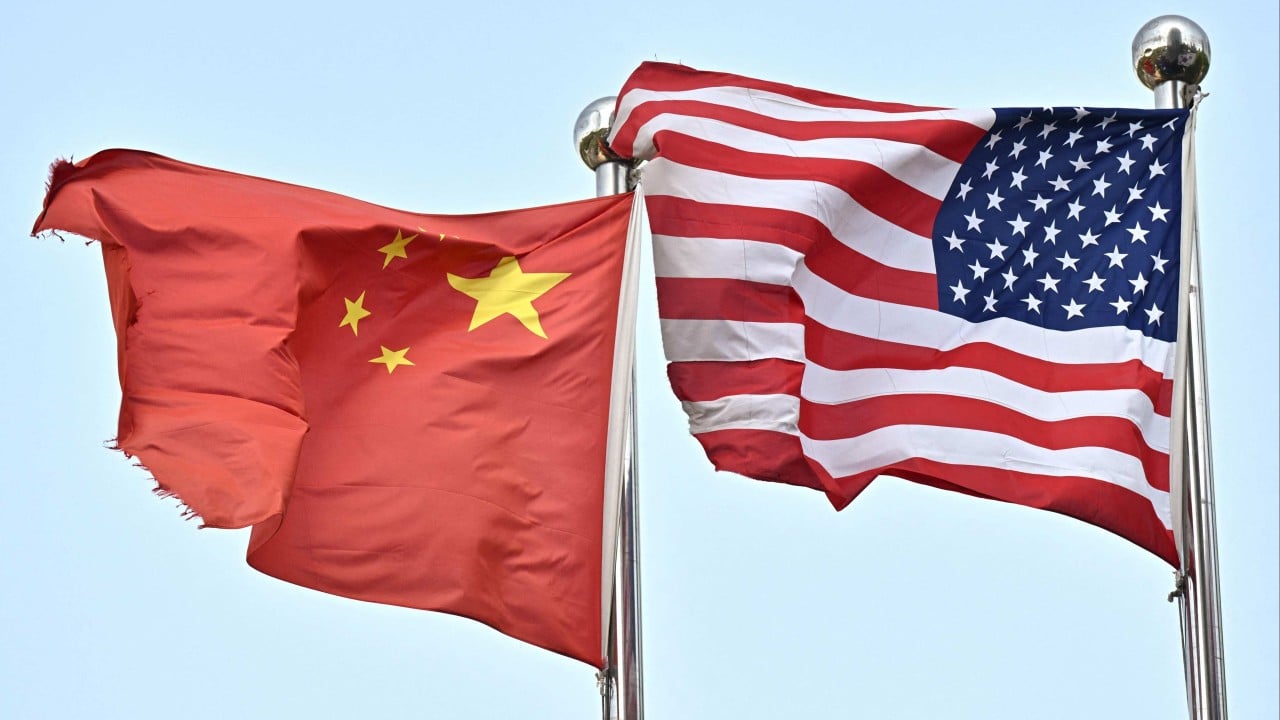
Washington and Beijing are locked in a high-stakes staring match that doesn't look like it'll end anytime soon. If you’re watching the markets, you’ve probably noticed the weird disconnect. Tensions are hitting new highs, yet the Chinese economy is actually showing signs of life that surprised most analysts. At the same time, the Auto China show in Beijing just kicked off, proving that the electric vehicle war is the new front line of this geopolitical mess.
You can't look at these events in isolation. They're all part of a massive shift in how global trade works. Biden just called for tripled tariffs on Chinese steel and aluminum. Meanwhile, China's GDP grew at a 5.3% clip in the first quarter of 2024. That beat every major forecast. It’s a messy, complicated picture that affects everything from the price of your next car to the stability of your 401(k). Discover more on a connected topic: this related article.
The GDP Numbers That Scared the Skeptics
Most people expected China to stumble hard this year. The property crisis there is real. Huge developers are still struggling to pay debts. But the latest data shows that manufacturing and high-tech investment are carrying the weight. Beijing is doubling down on "new productive forces." That's their fancy way of saying they want to lead the world in green tech and semiconductors.
This 5.3% growth isn't just a number on a spreadsheet. It represents a pivot. China is moving away from building apartments no one lives in and toward making things the rest of the world wants to buy. That’s exactly what has Washington worried. When a giant economy shifts toward exports to keep its growth alive, it floods the global market. Further analysis by Financial Times explores related perspectives on this issue.
Janet Yellen hasn't been shy about this. She went to Beijing recently and basically told them to stop overproducing. She’s worried that cheap Chinese goods will wipe out American factories. It's a valid concern. If China keeps pumping out subsidized solar panels and batteries, US companies can’t compete on price. This is why we're seeing the tariff talk heat up. It's protectionism, plain and simple, and it's coming from both sides of the aisle in the US.
Auto China and the EV Dominance
If you want to see the US-China tension in person, just look at the floor of Auto China in Beijing. This is one of the biggest car shows in the world. This year, it’s all about EVs. Chinese brands like BYD and Xiaomi are showing off tech that makes traditional Western automakers look like they’re stuck in the nineties.
Xiaomi, a phone company, launched its first car, the SU7. People are waiting months to get one. BYD is launching new models that cost a fraction of a Tesla but offer similar range and better tech. This isn't just about cars. It's about the entire supply chain. China controls the batteries. They control the minerals.
Western carmakers are in a tough spot. They need the Chinese market to survive, but they're being out-innovated by local brands. Companies like Volkswagen and Mercedes-Benz are trying to catch up, but they're fighting an uphill battle. The US government is trying to block these Chinese EVs from entering the American market with 100% tariffs. They’re calling it a national security risk. Maybe it is. But it’s also a way to buy time for Detroit to figure out how to build a cheap electric car.
Trade Wars and the New Cold War
The steel and aluminum tariffs are the opening act. We’re likely to see more restrictions on tech transfers and more sanctions on Chinese companies. The US wants to "de-risk." China calls it containment. Whatever you call it, the result is the same. The world is splitting into two economic blocs.
This isn't like the old Cold War with the Soviets. The US and China are deeply joined at the hip. Apple makes most of its iPhones in China. China owns billions in US Treasury bonds. Breaking those ties is painful and expensive. It drives up inflation. It makes supply chains fragile.
I've seen plenty of companies try to move production to Vietnam or Mexico. It’s not easy. You can move a factory, but you can’t easily move the specialized suppliers that live next door in Shenzhen. This "China Plus One" strategy is the big trend right now, but it’s proving to be slower and more costly than anyone thought.
What This Means for Your Portfolio
If you’re an investor, you have to be careful. The old playbook of just buying big-cap tech and forgetting it doesn't work as well when those companies are caught in the middle of a trade war. Nvidia can’t sell its best chips to China. Apple is losing market share to Huawei in the mainland.
You have to look at the companies that benefit from this friction. Defense contractors? Probably. Domestic US manufacturers that get tariff protection? Maybe. But the real winners are often the "middlemen" countries. Places like India, Mexico, and Vietnam are catching the overflow.
Don't buy into the "China is collapsing" narrative too quickly. They have huge problems, sure. But they also have a government that can move mountains to keep the economy going. They’re focused on the long game. The US is focused on the next election. That difference in timing creates a lot of volatility.
The Reality of Global Overcapacity
The term "overcapacity" is the big buzzword in DC right now. It sounds boring, but it’s the heart of the conflict. China built too many factories for their own people to use. Now they have to sell that stuff somewhere. If the US and Europe close their doors, that stuff goes to the Global South.
This creates a weird dynamic. While the West fights with Beijing, many developing nations are happy to get cheap Chinese tech and infrastructure. This is how China builds influence. They aren't just sending soldiers; they're sending engineers and cheap EVs.
We’re seeing a total rewrite of the global trade rules. The World Trade Organization is basically a ghost of its former self. Now, it’s all about bilateral deals and "friend-shoring." It’s messier, it’s louder, and it’s definitely more expensive for the consumer.
Navigating the Volatility
Watch the currency markets. The Yuan is under pressure because of the dollar's strength. If the Yuan drops too far, it makes Chinese exports even cheaper, which makes the US even angrier. It's a cycle that feeds itself.
Pay attention to the upcoming US election cycle. Both candidates will try to out-tough each other on China. Expect more headlines about TikTok bans, chip restrictions, and new tariffs. It’s all part of the show, but it has real economic teeth.
Keep an eye on the tech earnings reports. When companies talk about their "China exposure," listen closely. Are they losing sales to local rivals? Are they having trouble getting parts? That’s where you’ll see the real impact of these simmering tensions long before the official government stats catch up.
Stop thinking about US-China relations as a problem that will be "solved." It won't be. This is the new normal. We're in a period of managed competition where the goal isn't to win, but to not lose too much. Diversify your supply chains if you run a business. Diversify your holdings if you're an investor. The world of 2026 is one where the two biggest economies are permanently at odds, and you have to plan accordingly.