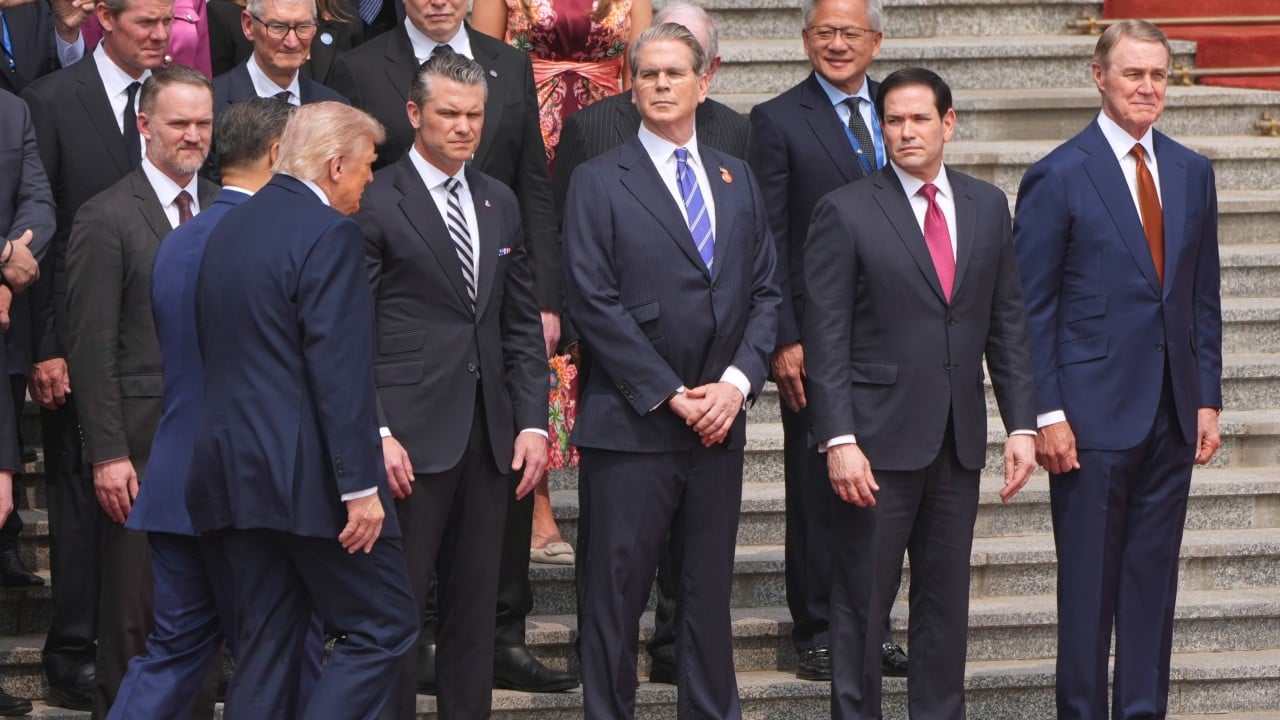
The business press is currently obsessed with the wrong handshakes. While analysts squint at seating charts for the latest Xi-Trump summit or breathlessly track "consequential" gatherings like the APEC summit and the ASEAN meetings in Singapore, they are missing the tectonic shift happening beneath their feet. The narrative is always the same: these high-level summits dictate the flow of global goods.
They don't.
In reality, trade doesn't follow treaties. Treaties follow trade. By the time a group of aging career diplomats sits down in a ballroom to sign a "historic" framework, the private sector has already spent five years rerouting supply chains to avoid the very bureaucrats now claiming credit for the "integration." If you are looking at summits to predict the next decade of Asian commerce, you are looking at a rearview mirror and calling it a GPS.
The Myth of the Regional Comprehensive Economic Partnership
The lazy consensus holds that the Regional Comprehensive Economic Partnership (RCEP) is a masterstroke of Chinese influence, a 15-nation bloc that will sideline the United States. This is a fundamental misunderstanding of how Asian manufacturing actually functions.
I have spent decades on the ground in Shenzhen, Ho Chi Minh City, and Penang. I have seen companies move entire factories across borders over a weekend because of a 2% shift in electricity costs or a local labor strike. These decisions are made in messy, humid factories, not in the sanitized air of a summit in Bangkok or Jakarta.
RCEP is largely a "paper tiger" because it focuses on tariff reductions that were already trending toward zero. The real barriers to trade in Asia aren't tariffs; they are non-tariff barriers, fragmented logistics, and the "noodle bowl" effect of overlapping rules of origin. A summit won't fix a corrupt port official in Surabaya or the lack of cold-chain infrastructure in rural Vietnam. Yet, the media treats these meetings as if they are rewriting the laws of physics.
Why the US-China Spectacle is a Distraction
The obsession with the Xi-Trump dynamic—or whoever occupies the Oval Office—is a form of geopolitical theater that provides comfort to those who want a simple "hero vs. villain" story. But global trade has become too fragmented for a single bilateral relationship to crash the system.
We are seeing the rise of "ghost trade." When the US imposes sanctions on Chinese solar panels or semiconductors, the data shows a sudden, miraculous surge in exports from Thailand or Malaysia. Are these countries suddenly manufacturing titans? No. They are often pass-through hubs for Chinese components undergoing "minor transformation" to skirt trade laws.
The Transshipment Reality
If you look at the raw data, trade between the US and China looks like it’s decoupling. It’s a lie. If you track the value-added components, you realize the US is simply buying Chinese goods that have been "laundered" through Southeast Asian neighbors.
- The Mexico-Vietnam Pivot: China’s direct investment in Mexican manufacturing has exploded. Why? Because the US-Mexico-Canada Agreement (USMCA) is the backdoor.
- Component Dominance: China controls the upstream. You can assemble a phone in India, but the display, the logic board, and the battery chemistry still originate in the Pearl River Delta.
- The Logistics Gap: While diplomats argue about "Fair Trade," companies like Shein and Temu have pioneered a direct-to-consumer model that bypasses traditional wholesale trade barriers entirely through "de minimis" exemptions.
The ASEAN Fallacy: Unity is a Ghost
The competitor’s view suggests that ASEAN (Association of Southeast Asian Nations) is a unified bloc that can act as a "third pole" in global trade. This is a fantasy. ASEAN is not the European Union. It has no common currency, no common external tariff, and zero appetite for surrendering sovereignty.
Vietnam is eating Thailand’s lunch in electronics. Indonesia is trying to extract rent from its nickel reserves by banning raw exports, a move that directly hurts its "partners" in the region. Singapore is a high-tech city-state that operates on a different planet compared to the agrarian economies of Laos or Myanmar.
When you see a headline about "ASEAN Trade Integration," read it as "ASEAN countries competing to see who can offer the cheapest tax holidays to Apple and Samsung." The competition within Asia is more fierce than the competition between Asia and the West.
The Invisible Movers: Private Capital vs. Public Policy
If you want to know where trade is going, stop reading the communiqués from the APEC summit. Instead, follow the capital expenditures (CAPEX) of the top 50 global logistics firms and the real estate moves of "dark" industrial REITs.
I’ve watched Western firms burn through millions trying to "nearshore" production to Latin America, only to realize that the specialty chemical supply chain they need is still stuck in a suburb of Shanghai. They end up paying more for a "Made in USA" or "Made in Mexico" label that is essentially a sticker placed on a Chinese core.
The real "summit" that matters isn't between heads of state. It’s the meeting between a supply chain VP and a logistics software provider. The digitization of the bill of lading and the automation of customs clearance at the Port of Singapore will do more for trade volumes than ten years of diplomatic talk-shops.
The Intellectual Property Trap
Another misconception is that Asian trade summits will finally "solve" the IP theft issue. They won't. In the East, the concept of "Shanzhai" (innovative copying) isn't just a legal violation; it’s a business philosophy.
High-level meetings produce "agreements" on IP protection that are never enforced at the provincial level. Why? Because the provincial officials’ KPIs are based on GDP growth and employment, not on protecting the patents of a multinational corporation based in Cupertino. If you’re waiting for a summit to make your patents safe in Asia, you’ve already lost your R&D.
The New Architecture of Trade
The future isn't "Globalism" or "Protectionism." It is Fragmented Interdependence.
We are moving into an era where trade is regionalized but the technology is universal. We are seeing "Sovereign Tech Stacks" where countries like India or Indonesia demand that data be stored locally and that manufacturing involve a specific percentage of local content. This is the death of the "frictionless" trade dream sold in the 1990s.
Stop Asking the Wrong Questions
The media asks: "Will the Xi-Trump meeting stabilize the markets?"
The real question is: "Which logistics hubs are investing in the deep-water infrastructure required to handle the post-Panamax ships of 2030?"
The media asks: "Will the APEC summit promote green trade?"
The real question is: "Who controls the processing of high-purity quartz and lithium, and how many bypass routes exist to get those materials into the US without triggering the Inflation Reduction Act's 'foreign entity of concern' clauses?"
Diplomacy is a lagging indicator. It is the ceremony we hold to acknowledge what the market has already decided. If you are waiting for a signed document to tell you it's safe to invest in a specific corridor, you are five years too late.
The true power in Asia doesn't reside in the people wearing suits in front of flags. It resides in the people wearing hard hats in the industrial parks of Binh Duong and the coders in Bangalore who are automating the middleman out of existence.
The next time you see a photo of world leaders smiling and shaking hands, remember: they aren't the ones moving the needle. They are just the ones holding the scissors for a ribbon-cutting on a bridge the private sector built years ago.
Get off the plane in Ho Chi Minh City. Walk the factory floors. Watch the containers. That’s the only summit that counts.
The era of the "Grand Trade Agreement" is dead. Long live the era of the work-around.