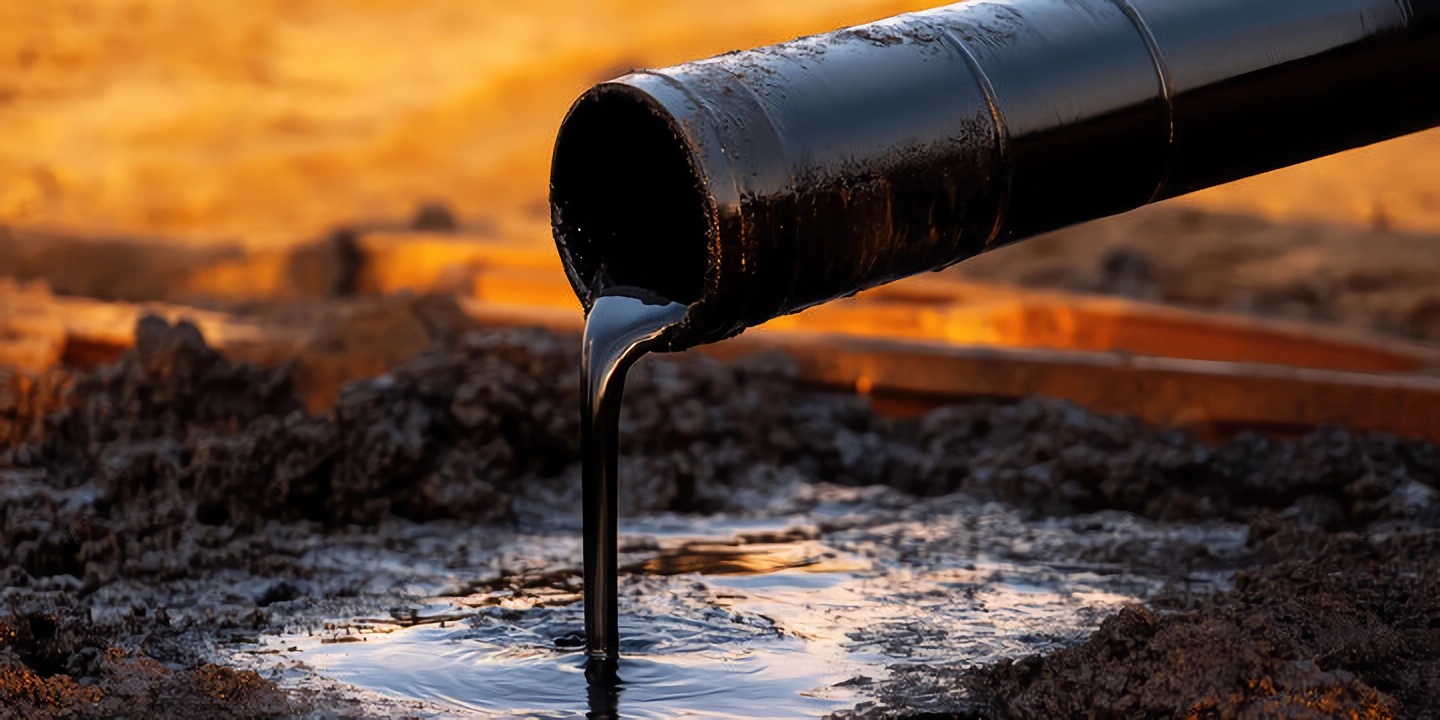
Wall Street is peddling fear because fear sells subscriptions and hedges. The current narrative is a tired script: Iran closes the Strait of Hormuz, oil hits $200, and the global economy slides into a 1970s-style stagflationary abyss. It is a neat, linear story. It is also fundamentally wrong.
The "prolonged energy crisis" everyone is whispering about assumes the world is still trapped in 1973. It ignores the massive, structural shifts in how energy is produced, traded, and hedged in the modern era. If you are panic-selling or buying overpriced calls based on a map of the Persian Gulf, you are the liquidity for the people who actually understand how the pipes work.
The Hormuz Myth and the Physics of Flow
The most cited "doomsday" scenario is the total blockage of the Strait of Hormuz. Analysts love to point out that roughly 20% of the world’s liquid petroleum passes through that narrow choke point. They tell you that if the taps turn off, the world stops.
They forget that a blockade is not a static event; it is a temporary disruption that triggers an immediate, violent rebalancing.
First, let's talk about the Strategic Petroleum Reserve (SPR) and its global equivalents. In a crisis, the IEA member countries have the capacity to release millions of barrels per day. This isn't just a buffer; it's a weaponized supply floor. When the "crisis" hits, the release of these reserves doesn't just fill gaps—it breaks the back of speculative rallies. I have watched traders lose their shirts trying to front-run a supply crunch only to get flattened by a coordinated government dump.
Second, the world is no longer a mono-culture of crude. The U.S. is the swing producer now. Unlike the 70s, the Permian Basin doesn't need a decade to react to price signals. It needs a few months and a decent credit line. High prices are the best cure for high prices. The moment oil crosses $110, every idled rig in West Texas starts humming.
Why the "Prolonged" Part is a Lie
A crisis is only prolonged if there is no alternative. We are living in the era of peak demand elasticity.
- China's Strategic Pivot: While Wall Street frets over tankers, China has spent the last decade building a massive internal buffer and accelerating an EV transition that isn't about "saving the planet"—it’s about energy security. Every BYD on the road in Shenzhen is one less barrel of Middle Eastern crude required.
- The Shadow Fleet: Sanctions on Russia and Iran have birthed a massive, sophisticated "grey market" of tankers. These ships don't follow the rules, and they don't stop for geopolitical posturing. Supply finds a way. It always does.
The Deflationary Nature of War
Here is the counter-intuitive truth: a hot war in the Middle East is often a long-term deflationary event for energy.
Why? Because it forces the hand of every major economy to diversify with brutal efficiency. When prices spike, the "sunk cost" of transitioning to nuclear, natural gas, or renewables suddenly looks like a bargain. War accelerates the obsolescence of the very commodity the combatants are fighting over.
If Iran and its neighbors enter a sustained conflict, the immediate reaction is a price spike. The secondary reaction is a global demand destruction event. People stop driving. Airlines cut routes. Factories optimize. By the time the smoke clears, the market has learned to live with 15% less oil. When the oil eventually comes back online—and it always does, because those regimes need the cash to rebuild—the market is oversupplied.
I've seen this cycle repeat in every major conflict of the last thirty years. The "crisis" is a flash in the pan. The "glut" that follows is the real story.
Stop Asking if Oil Will Hit $200
The question itself is flawed. You should be asking: "How quickly will the high price destroy the demand that supports it?"
People also ask: "Will an Iran war cause a global recession?"
The honest answer is: Only if the Federal Reserve panics. Energy costs are a smaller percentage of global GDP than they were forty years ago. We are an information and service economy now. A spike in gas prices hurts the consumer, but it doesn't break the backbone of a digital economy the way it broke the industrial economy of the past.
If you want to survive the coming volatility, stop listening to the "energy experts" who only look at supply charts. Look at the technology of extraction and the geography of consumption.
The Real Risk Nobody Mentions
The real danger isn't a lack of oil. It's the weaponization of insurance.
Most tankers are insured through London-based P&I clubs. If they refuse to cover ships in the Gulf, the flow stops even if the Strait is wide open. That is a bureaucratic crisis, not a resource crisis. It’s solved with pens, not battleships. Watch the Lloyd's of London bulletins, not the CNN headlines.
Your Action Plan for Geopolitical Noise
- Ignore the "Oil to $200" Headlines: They are designed to trigger your lizard brain. Treat them as a contrarian indicator.
- Watch the Spreads, Not the Spot Price: Look at the "Time Spreads" in the Brent and WTI futures markets. If the front month is significantly higher than the back months (backwardation), the market is telling you the shortage is acute but temporary. If that spread starts to narrow during a war, the "crisis" is already over.
- Bet on Resilience: The companies that thrive in this environment aren't the ones with the most oil in the ground; they are the ones with the most flexible supply chains.
The consensus says buy gold and hide. I say watch the American driller. He has more impact on your portfolio than any general in Tehran.
Wall Street wants you to believe we are on the precipice of a permanent shift. They want you to pay for "protection." But in the commodity world, the only permanent thing is the cycle. The "crisis" is just the top of the curve.
Sell the fear. Buy the math.