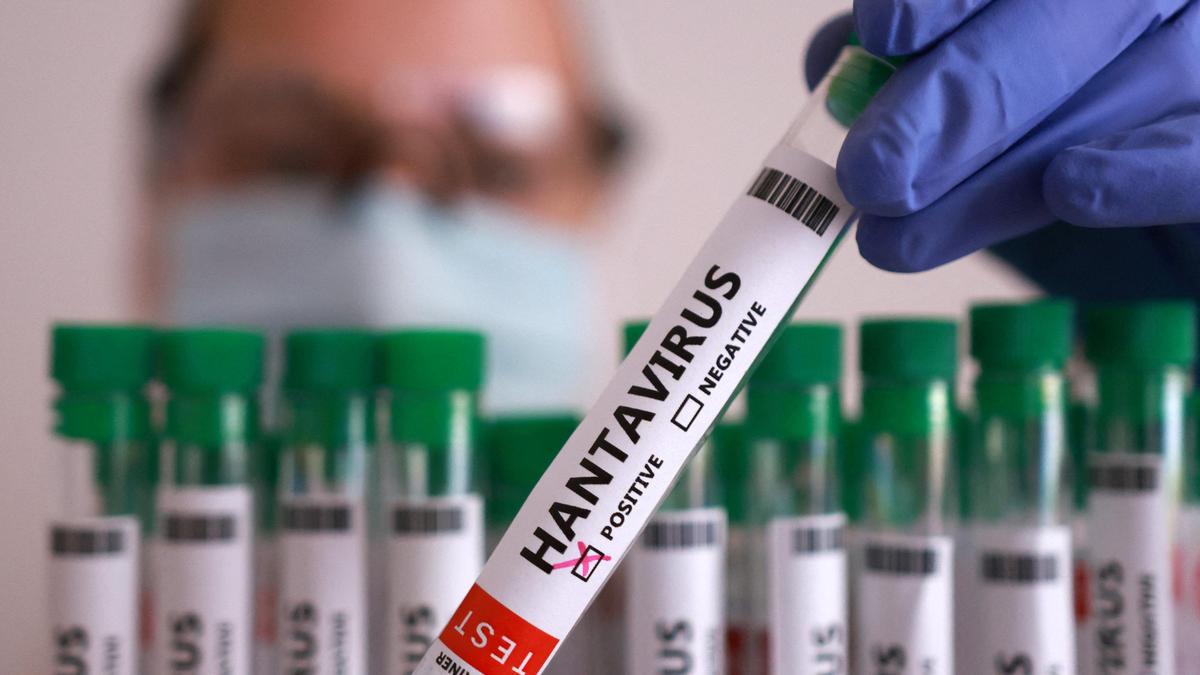
Panic at sea isn't usually about rodents, but a tiny virus carried by them has turned a luxury Atlantic voyage into a medical emergency. A British tourist who left the MV Hondius cruise ship early is currently missing, sparking a frantic search as health officials try to contain an outbreak of hantavirus that's already claimed three lives. It's the kind of story that makes you want to cancel your next vacation, but the reality of how this virus spreads is far more specific than most people realize.
The MV Hondius was supposed to be a dream trip from Argentina to Cape Verde. Instead, it became a floating isolation ward. As of today, five cases are confirmed, several more are suspected, and the hunt for the missing Briton has become a race against a six-week incubation period. If you've been following the news, you know this isn't just another bout of norovirus. This is hantavirus, a rare and often deadly family of viruses that usually stays far away from cruise ship decks. Discover more on a similar subject: this related article.
The hunt for the missing passenger
One of the most concerning developments involves seven British nationals who left the ship mid-voyage at the remote island of St. Helena. They disembarked alongside a Dutch woman who later died from the virus. While most of that group has been traced and told to isolate, one person remains unaccounted for.
Finding this individual isn't just about paperwork. It's a public health necessity. Hantavirus symptoms don't show up overnight. You could feel perfectly fine for a month while the virus quietly builds up in your system. By the time you feel like you have a bad case of the flu, your lungs might already be filling with fluid. Tracking this missing traveler is the only way to ensure they get medical help before it's too late and to verify they haven't inadvertently put others at risk. Further journalism by National Institutes of Health explores similar perspectives on this issue.
What is hantavirus and how did it get on a ship
Honestly, hantavirus on a cruise ship is weird. Usually, you catch this by breathing in dust contaminated with the urine or droppings of infected rodents—think cleaning out a dusty old shed or camping in a barn. It's not something you expect in a high-end cabin.
The current theory points toward a birdwatching excursion in Argentina. Two passengers reportedly went on this trip before boarding the MV Hondius. It's likely they encountered the virus there, perhaps in a rural area where infected mice were active. Once they brought it on board, the close quarters of the ship changed the math.
While most hantavirus strains don't spread between people, the strain currently under the microscope—likely the Andes virus—is one of the few that can. This happens through "really close contact." We're talking family members or people sharing very tight living spaces. That's why health officials aren't just worried about the missing passenger; they're worried about everyone who shared a dinner table or a hallway with the confirmed cases.
The 45 day isolation rule
The UK Health Security Agency (UKHSA) isn't taking any chances. They've ordered returning passengers to self-isolate for 45 days. That's a massive chunk of time. Most people are used to the 10 or 14-day windows from the COVID era, but hantavirus plays by different rules.
- The incubation period is long. It can take up to eight weeks for symptoms to appear.
- Early symptoms are deceptive. Fever, muscle aches, and stomach pain look like a hundred other minor illnesses.
- The "crash" is fast. Once the respiratory phase starts, things go downhill in hours, not days.
British crew member Martin Anstee, who was evacuated to the Netherlands, is one of the lucky ones. He's stable but remains in isolation. His story serves as a reminder that even "doing okay" in the early stages doesn't mean you're out of the woods.
Is the general public at risk
Basically, no. Unless you were on that ship or spent time with the infected individuals in very close quarters, you're fine. The World Health Organization (WHO) has been clear that this isn't the start of a new pandemic. It's a localized outbreak in a high-risk environment.
The real danger is for the passengers who don't even know they're sick yet. This is why the search for the missing Briton is so intense. If that person develops Hantavirus Pulmonary Syndrome (HPS), their chances of survival depend entirely on getting into an intensive care unit before their lungs fail. There's no "cure" for hantavirus—doctors just keep your body going while it fights the virus off.
What to do if you were recently in South America
If you've recently returned from rural Argentina or Chile and start feeling flu-like symptoms, don't just wait it out. Tell your doctor exactly where you've been. Mention hantavirus. Most GPs in the UK will never see a case of this in their entire careers, so you have to be your own advocate.
- Watch for "muscle heaviness." Large muscle groups like thighs and hips often ache first.
- Track your breathing. Any shortness of breath after a fever is a massive red flag.
- Avoid "DIY" cleaning. If you encounter rodent droppings, don't sweep them up. Wet them down with disinfectant first so you don't kick up virus-laden dust.
The MV Hondius is currently heading to Tenerife, where a controlled disembarkation will happen. No one is walking off that ship and onto a public bus. They're going straight to chartered flights and then to their homes for a month and a half of solitude. It's a harsh end to a holiday, but it's the only way to stop a rare killer in its tracks.
If you know someone who was on this cruise or traveled through St. Helena recently, make sure they've checked in with the authorities. Speed is everything right now. Keep your distance, stay informed, and don't ignore a fever if you've been in the danger zone.