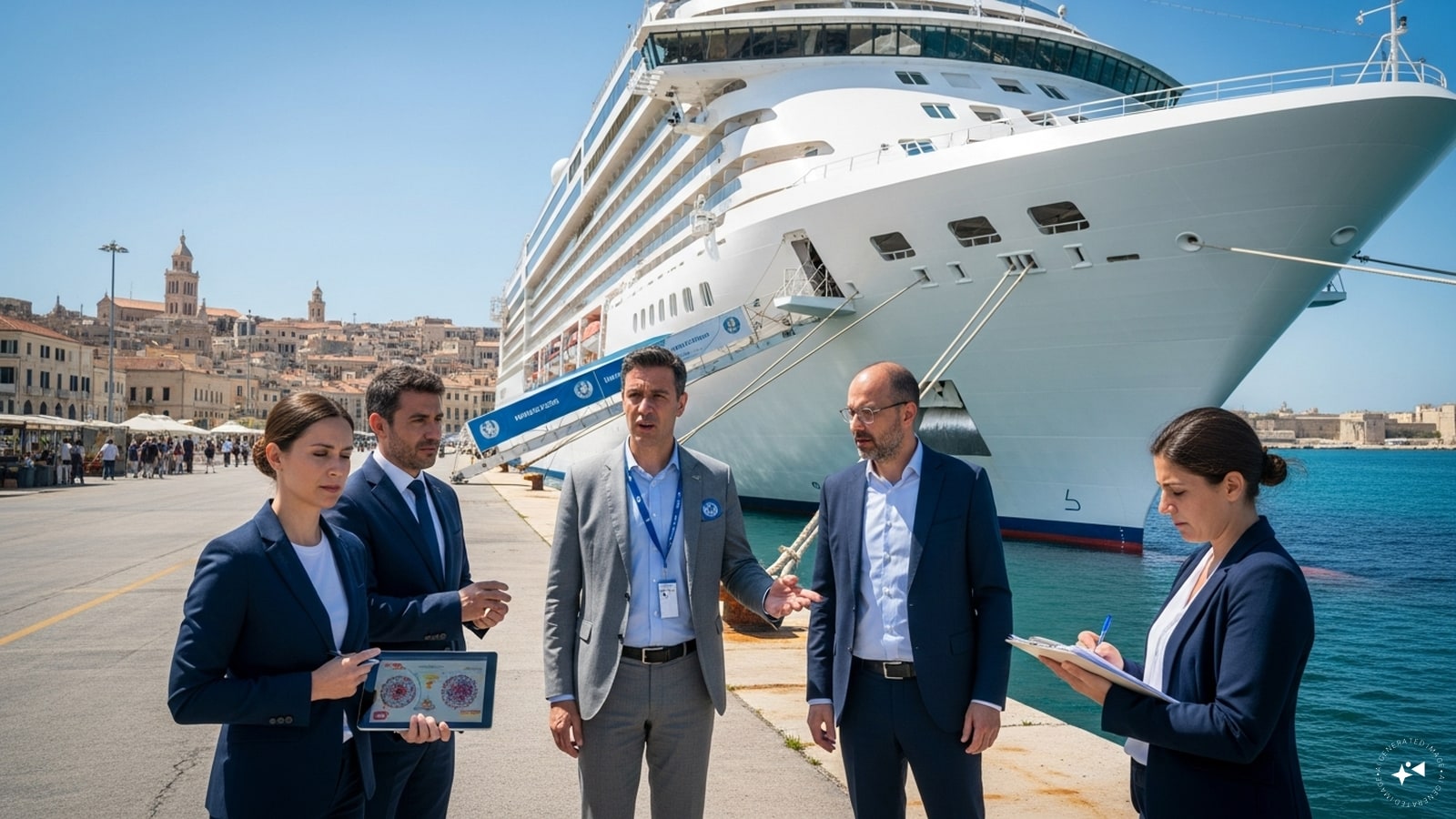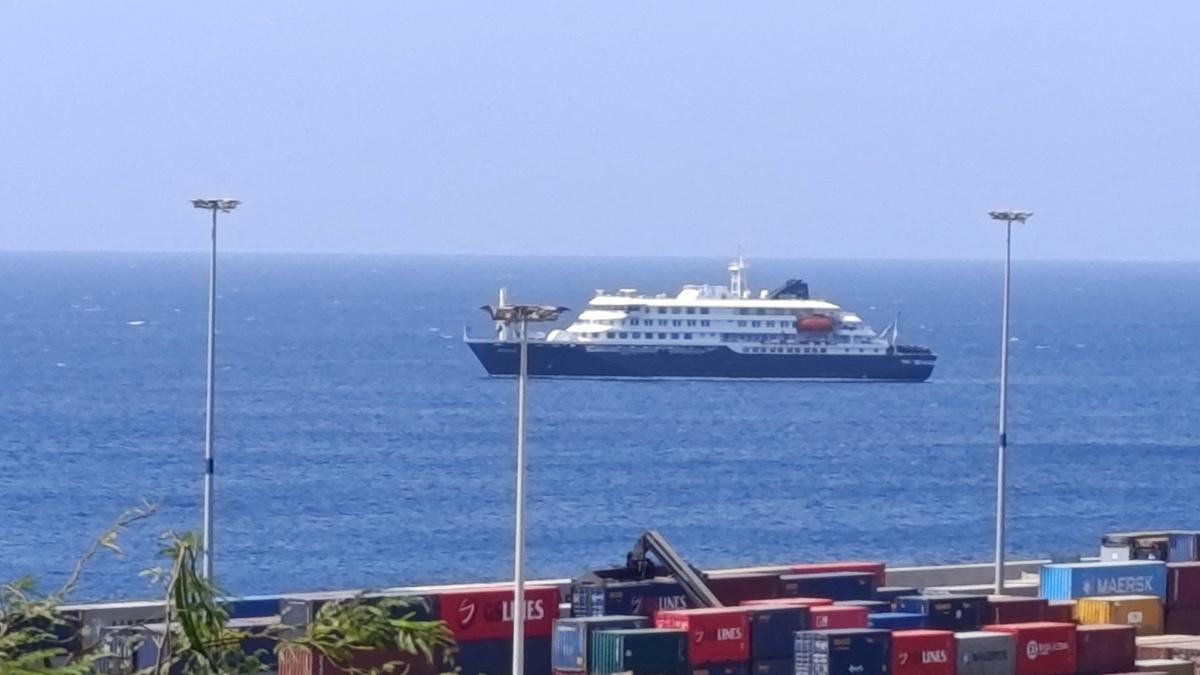
The headlines are screaming about a "hantavirus ship." The State Department is scrambling. Emergency evacuation flights are being fueled. We are watching a billion-dollar logistical machine grind into gear to solve a problem that barely exists in the way the public imagines it. This isn't a rescue mission; it’s a high-stakes performance of bureaucratic theater designed to mask a fundamental misunderstanding of viral pathology.
If you are terrified of a hantavirus "outbreak" on a vessel, you’ve already fallen for the first lie of sensationalist health reporting. For another perspective, see: this related article.
The Biology of Fear vs. The Reality of Rodents
Most people hear the word "virus" and their brains immediately default to the COVID-19 or influenza playbook. They imagine a sneezing passenger in a narrow corridor sparking a chain reaction that clears out a deck.
That is not how this works. Further analysis on this trend has been provided by Medical News Today.
Hantaviruses—specifically those found in the Americas like the Sin Nombre strain—are not known for human-to-human transmission. Aside from a handful of hyper-specific cases involving the Andes virus in South America, these pathogens are a dead-end in humans. You don't "catch" hantavirus from the guy in cabin 4B. You catch it from breathing in aerosolized dried urine, droppings, or saliva of infected rodents.
If there is a risk on a ship, it isn't the people. It’s the infrastructure. To suggest an evacuation flight is a "public health necessity" to prevent a spread is a category error. It’s like evacuating a building because one person got struck by lightning, fearing the lightning might be contagious.
The Logistics of Overreaction
I have spent years watching government agencies burn through discretionary budgets to "manage" optics. When the U.S. government plans an evacuation flight for a hantavirus incident, they aren't fighting a pathogen. They are fighting a PR nightmare.
The cost of a chartered, bio-secure evacuation flight can easily north of $500,000 depending on the point of origin and the medical suite required. We are spending half a million dollars to move people who, statistically, are at zero risk of infecting anyone else.
Compare this to the standard protocol for hantavirus exposure:
- Symptomatic monitoring.
- Supportive care (oxygen and hydration).
- Environmental remediation.
You don't need a C-17 to do that. You need a bottle of bleach and a ventilator. But bleach and ventilators don't look "decisive" on the nightly news.
Why the "Outbreak" Narrative is Fraudulent
The competitor articles love the word "outbreak." It implies a wildfire. In reality, hantavirus is a series of isolated sparks.
The mortality rate is high—often cited around 38% for Hantavirus Pulmonary Syndrome (HPS). That number is terrifying. It’s also exactly why the "evacuation flight" is a flawed solution. If a patient is far enough along to be at risk, the physical stress of a long-haul flight is arguably more dangerous than treating them at the nearest high-level medical facility.
If they aren't symptomatic, the flight is an expensive taxi ride for the worried well.
We have pathologized geography. We assume that "getting them home" is equivalent to "getting them safe." In a world of globalized medicine, the deck of a ship or a hospital in a foreign port is often better equipped to handle the immediate respiratory distress of HPS than a pressurized metal tube flying at 30,000 feet.
The Hidden Danger of Bureaucratic Precedent
By treating hantavirus as an "evacuation-worthy" event, we are setting a dangerous precedent for future maritime health issues.
- Resource Misallocation: Every time we spin up an emergency airbridge for a non-communicable event, we deplete the "urgent response" fatigue of the crews and the budget.
- Panic Incubation: When the public sees men in hazmat suits boarding a plane to "rescue" people from hantavirus, they assume the threat is airborne and contagious.
- The Neglect of the Source: While we focus on the flight, we ignore the real failure: How did a modern vessel become so infested with deer mice or cotton rats that a spillover event occurred?
I've seen shipping companies ignore basic pest control for months, only to cry for a government bailout the moment a passenger gets a fever. This isn't a health crisis; it’s a maintenance crisis.
The Brutal Truth About HPS
Let’s talk about the math of the virus. $V = f(E, D)$. The virulence is a function of exposure and dose.
To actually contract HPS on a ship, a passenger would need to be in a confined space—likely a storage area or an untreated HVAC plenum—where rodent excrement has been disturbed. This isn't a "ship-wide" threat. It is a "one-room" threat.
The idea that every American on board needs an emergency flight is a logical leap that ignores the basic science of zoonotic spillover. If you weren't in the room with the dust, you aren't in the race for the virus.
Stop Asking "When is the Flight?"
The media is asking the wrong question. They are obsessed with the timeline of the evacuation. They should be asking why we are using tax dollars to facilitate a luxury extraction for a biological non-event.
The real advice for anyone on that ship?
- Stop demanding a flight. A hospital in a stable port is your best bet, not a diverted aircraft.
- Demand a sanitation log. Ask when the sub-decks were last inspected.
- Understand the incubation period. Symptoms show up 1 to 8 weeks after exposure. An evacuation flight today does nothing to diagnose a case that won't manifest for another month.
We have become a society that values the feeling of being rescued over the utility of the rescue itself. This evacuation is a security theater production, played out on a tarmac, fueled by a collective ignorance of how viruses actually move through a population.
The ship isn't a floating bio-weapon. It’s just a ship with a pest problem. Treat the mice, monitor the patients, and keep the planes on the ground. Anything else is just expensive noise.
The hantavirus isn't coming for you. The bill for the overreaction is.
Go back to your cabins and wash your hands. Not because the virus is on the doorknob—it isn't—but because basic hygiene is a better defense than a million-dollar flight to nowhere.
The panic is the only thing on that ship that’s actually contagious.