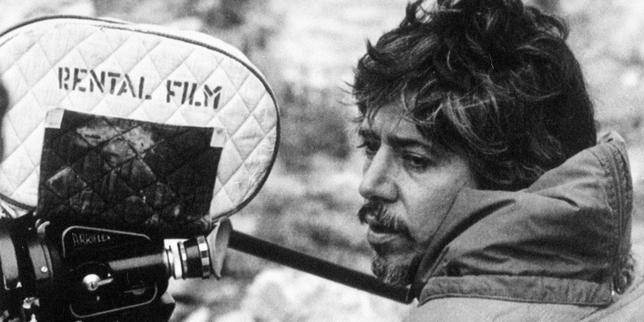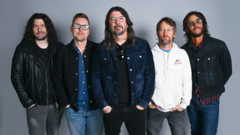
The air in a stadium doesn't just vibrate; it pushes. When eighty thousand people scream in unison, the sound becomes a physical weight, a literal wall of pressure that hits your chest and stays there. For decades, Dave Grohl sat at the center of that pressure, usually with a view of a man who moved like a frantic, golden-haired blur of kinetic energy. Taylor Hawkins wasn't just a drummer. He was the engine room. He was the grin that told the rest of the band they were going to survive the night.
Then the engine stopped.
When the Foo Fighters returned to the stage for their first proper interviews and performances following the 2022 passing of Hawkins, the conversation shifted. It had to. The band didn’t just lose a coworker; they lost their heartbeat. To understand the Foo Fighters today is to understand a group of men learning to walk again while the whole world watches to see if they’ll stumble.
The Sound of an Empty Chair
Musicians often talk about "the pocket." It is that invisible space between the bass guitar and the drums where the groove lives. It is a matter of milliseconds. Hawkins played with a specific, hyper-aggressive swing that defined the Foo Fighters’ DNA. He didn't just hit the drums; he tried to put his sticks through them.
Josh Freese has now stepped into that vacuum. Freese is a legend in his own right, a session titan who has played with everyone from Nine Inch Nails to Devo. He is technically flawless. He is a master. But as the band has navigated this transition, they’ve had to confront a brutal truth: you can replace the notes, but you cannot replace the soul.
Dave Grohl describes the band now as a different entity entirely. It isn’t an upgrade or a downgrade. It is a mutation. When they stand on stage now, there is a ghost in the frequencies. Every time Grohl turns around to cue a transition, he is looking for a ghost. That split-second adjustment—the realization that the person behind the kit is someone else—changes the way a singer breathes. It changes the way the guitarists strike their chords.
The Weight of the "Nice Guy" Tax
There is a myth in rock and roll that tragedy fuels the best art. We love the narrative of the tortured artist rising from the ashes. But the reality is much colder. Grief is exhausting. It makes your hands heavy.
For a band known for being the "nicest guys in rock," the pressure to maintain that persona while drowning in private sorrow is a massive emotional tax. They have spent decades being the providers of joy. Their songs are the anthems played at weddings, graduations, and high-speed drives down open highways. To suddenly be the face of public mourning is a jarring pivot.
They didn't choose to be a "new band." They were forced into it. The "Foo Fighters 2.0" isn't a marketing rebrand; it is a survival mechanism.
The Architecture of Moving On
Consider the logistics of a legacy. When a band reaches the stature of the Foo Fighters, they aren't just a group of friends; they are a corporation, a touring machine, and a symbol for millions. Stopping wasn't just an emotional choice; it would have been the dismantling of an entire ecosystem.
But how do you play Everlong without the man who helped make it a masterpiece?
The answer lies in a strange, communal catharsis. During their recent sets, there is a palpable shift in the atmosphere. The fans aren't just there to hear the hits anymore. They are there to bear witness. They are there to hold the band up. It is a two-way street of empathy. The audience knows the band is hurting, and the band knows the audience is hurting with them.
This transparency has stripped away the polish. The Foo Fighters were always a "big" band, but they are now a "vulnerable" band. That vulnerability is their new power. It has removed the distance between the stage and the nosebleed seats.
A Different Kind of Volume
The new music—specifically the tracks on But Here We Are—feels like a scream into a pillow. It is loud, yes, but the loudness serves a different purpose. It isn't for the party. It is for the exorcism.
When Grohl sings about the suddenness of loss, he isn't using metaphors. He is reporting from the front lines of a broken heart. The band has leaned into the discomfort of their new reality rather than trying to mask it with over-production or bravado. They are admitting, quite publicly, that they are not okay, and that being "not okay" is the only honest way to exist right now.
The technical proficiency of Josh Freese provides the floor, but the band’s shared history provides the walls. They are leaning on each other in a way that goes beyond musical cues. You can see it in the way they huddle before a show. You can see it in the prolonged eye contact between Grohl and bassist Nate Mendel. They are checking in. Every song is a pulse check.
The Invisible Stakes
What happens when your identity is tied to someone who is no longer there?
Most of us face this in private. We lose a parent, a spouse, or a best friend, and we have to figure out who we are in the aftermath. We do this in the quiet of our homes. The Foo Fighters are doing it in front of millions of people under scorching lights.
The stake isn't just the future of a rock band. The stake is the validity of their past. If they can’t find a way to be the Foo Fighters without Taylor, then what was the band in the first place? They are proving that the bond was deeper than a single member, even one as charismatic as Hawkins. They are proving that a community can survive a fracture.
It is a heavy load to carry.
The Rhythm of the New Normal
There is no "getting over it." There is only "getting through it."
The interviews they give now are quieter. There is less of the frantic, caffeine-fueled energy that defined the Grohl-Hawkins duo. There is more reflection. More silence. In the spaces between the questions, you can hear the weight of everything they aren't saying.
They are a different band because they are different men. Grief ages you. It carves out parts of your spirit and replaces them with something harder, something more resilient but less flexible. The music reflects this. The edges are sharper. The stakes feel more immediate.
When you watch them now, you aren't just watching a rock concert. You are watching a masterclass in persistence. You are watching five men refuse to let the silence win. They play because they have to. They play because the noise is the only thing that drowns out the questions.
The drums are still loud. The guitars are still distorted. The lights are still blinding. But the soul of the thing has shifted its weight. It has moved from the center of the stage to the hearts of the people standing on it. They are moving forward, not because the pain has vanished, but because the music is the only map they have left to follow.
The stadium is still full, the wall of sound is still there, and the air still pushes against your chest. But if you listen closely, past the cymbals and the screaming fans, you can hear the sound of a band finally finding their footing on shifting ground. It is the sound of survival, and it is the loudest thing in the room.