France is preparing for a somber Sunday. The body of Florian Montorio, the French soldier killed in Southern Lebanon, is coming home. This isn't just another headline about regional instability. It's a localized tragedy that hits the heart of the French military community. When a soldier falls abroad, the repatriation process becomes a ritual of national identity. It's a moment where geopolitics stops being an abstract concept discussed in Parisian cafes and becomes a very real, very heavy wooden casket draped in the Tricolore.
The government confirmed the timeline late this week. Sunday marks the official return. You might wonder why these details matter so much to the public. They matter because they represent the "prix du sang"—the price of blood—that France pays for its diplomatic and military presence in the Middle East. Montorio wasn't just a name on a list. He was part of a specific mission with high stakes. Learn more on a related topic: this related article.
The Reality of the Mission in Southern Lebanon
Southern Lebanon is a powder keg. We all know that. But for the soldiers on the ground, it’s about daily patrols, tense de-escalation, and navigating a landscape where the rules of engagement can change in a heartbeat. The French presence there isn't accidental. France has deep historical ties to Lebanon. They see themselves as a stabilizing force. Sometimes, that self-appointed role comes with a devastating cost.
Florian Montorio’s death happened during a period of extreme volatility. The border between Lebanon and Israel is currently one of the most dangerous strips of land on the planet. While diplomats argue in New York, soldiers like Montorio are the ones actually standing in the gap. He was killed during a mission that reminds us how thin the line is between "peacekeeping" and "active combat." Additional journalism by The Washington Post delves into comparable views on this issue.
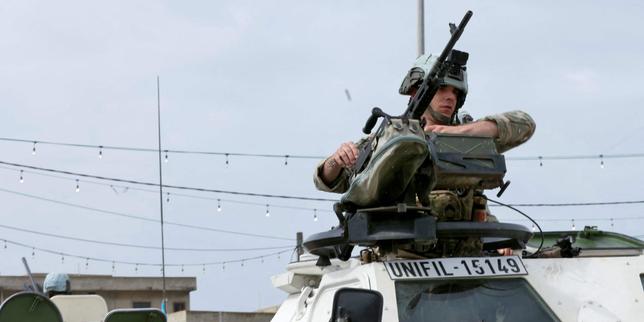
The specific circumstances of the strike or incident that took his life highlight the vulnerability of UNIFIL (United Nations Interim Force in Lebanon) troops. Even with the blue helmet, there is no such thing as total safety. France has one of the largest contingents in the region. They aren't just observers. They are active participants in trying to prevent a total regional meltdown.
Why Sunday Matters for the French Military
Repatriation is a massive logistical and emotional undertaking. It starts with the "levée du corps" on site and ends with a ceremony on French soil. For the family, Sunday represents the start of a new, painful chapter. For the military, it’s about "fraternité."
I've watched these ceremonies before. They are silent. They are precise. There’s something haunting about the sound of boots on the tarmac at an airbase like Villacoublay or Orly. The government uses these moments to signal resolve. President Emmanuel Macron and the Minister of the Armed Forces often attend these returns because they have to. They have to show the troops that their lives aren't being spent for nothing.
The return of Florian Montorio will likely involve a national tribute. This usually happens at Les Invalides in Paris. It's the highest honor a French soldier can receive. It involves the "Sonnerie aux Morts" and a minute of silence that feels like an hour. If you're following this story, watch for the level of official involvement. It tells you exactly how the government views the current risk level in Lebanon.
The Political Fallout of a Fallen Soldier
Every time a soldier dies abroad, the opposition starts asking questions. Why are we there? Is the mission still relevant? Can we actually protect our people? These aren't easy questions to answer.
- The Sovereignty Issue: France wants to maintain its status as a global power. You can’t do that without putting boots on the ground.
- The Lebanese Crisis: Lebanon is a failed state in many ways right now. Without international troops, the south would likely descend into an all-out war between Hezbollah and Israel much faster.
- Domestic Pressure: French citizens are generally supportive of the military, but patience wears thin when the body bags start coming back without a clear "victory" in sight.
The death of Florian Montorio puts the spotlight back on the UNIFIL mandate. That mandate is up for renewal regularly. Expect the debate in the National Assembly to get a lot more heated after Sunday. Critics will argue that French soldiers are being used as human shields in a conflict that has no clear exit strategy. Supporters will say that withdrawing now would be a betrayal of Lebanon and a sign of weakness.
What Happens When the Plane Lands
When the military aircraft carrying Montorio’s remains touches down, the atmosphere changes. It moves from a news story to a family tragedy. The French military is very protective of its own. They provide extensive support to the families—psychological, financial, and social. But no amount of "accompagnement" replaces a son or a brother.
The government's announcement wasn't just a logistical update. It was a call to the nation to pay attention. In a world of 24-hour news cycles and endless scrolling, it's easy to forget that real people are dying in these "minor" skirmishes. Montorio was 25 years old. Think about that for a second. At 25, most people are just starting their careers or figuring out their lives. He was representing a nation in one of the most hostile environments on earth.
The repatriation on Sunday is the final act of his military service. After the official ceremonies, he will be handed over to his family for a private funeral. That’s when the cameras turn off. That’s when the real grieving begins.
Understanding the Stakes in 2026
We have to look at the broader context of 2026. The Middle East is shifting. Alliances are moving. France is trying to find its place in a world where the US is often looking elsewhere and regional powers are becoming more aggressive. Florian Montorio's sacrifice is a piece of that much larger puzzle.
If you want to understand why France stays in Lebanon despite the risks, you have to look at the Mediterranean. France sees the stability of the Levantine coast as essential to its own security. If Lebanon collapses, the ripple effects in terms of migration and terrorism would hit Marseille and Paris directly. That’s the cold, hard logic behind the mission. It’s not just about peace; it’s about self-preservation.
Next Steps for Following the Story
If you're keeping an eye on this, don't just look at the Sunday photos. Look at the official statements following the funeral.
- Watch the Minister of the Armed Forces: See if there's any mention of changing the rules of engagement.
- Monitor UNIFIL Updates: Check if other nations are reconsidering their troop levels.
- Follow the Memorial: The national tribute at Les Invalides is usually broadcast. It's a window into French military culture that you don't see often.
The return of Florian Montorio is a reminder that the world is a dangerous place. It’s a reminder that "service" isn't just a word people put on LinkedIn. Sometimes, it's a commitment that ends on a Sunday afternoon on a cold runway in France. Honor the man by understanding the mission he died for.