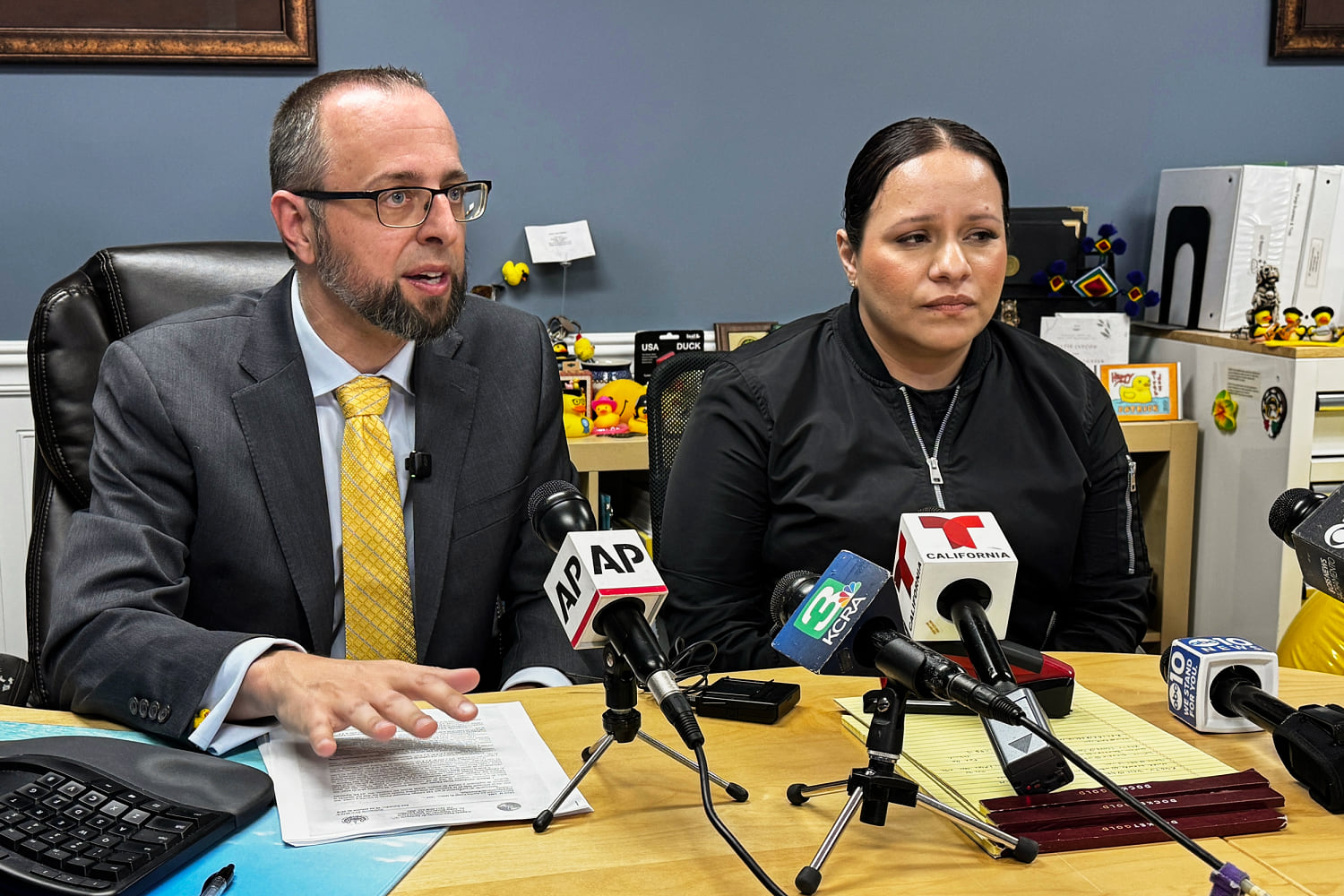
The bullets didn't just tear through a man's body during a botched ICE operation; they ripped apart the official narrative of why the shooting happened in the first place. When federal agents opened fire on an unarmed individual in a residential neighborhood, the immediate defense was a familiar one. They claimed the target was a gang member. It’s a label that acts like a legal shield, designed to blunt public outrage and justify aggressive tactics. But the family of the man wounded in this ICE shooting isn't letting that label stick. They're fighting back with a reality that doesn't fit into a government database.
This isn't just about one family’s grief. It’s about a systemic reliance on "gang affiliation" tags that often lack transparent evidence. If you've been following immigration enforcement over the last few years, you know this story repeats. A person is targeted, things go sideways, and the "gang" card is played to settle the dust. We need to look at what's actually happening on the ground when these labels are applied and why they're so hard to strip away once the government prints them on a file.
The Human Cost of a Split Second Decision
When the shooting occurred, the neighborhood wasn't a battlefield. It was a place where people lived, worked, and walked their kids to school. ICE agents were there to conduct a targeted enforcement action. Reports indicate that within seconds, shots were fired, leaving a man bleeding on the pavement. The trauma of that moment doesn't just go away because a spokesperson issues a press release.
I’ve seen how these incidents play out in local communities. The immediate reaction from law enforcement is usually to categorize the victim as a threat. By branding the wounded man a gang member, the agency shifts the conversation from "why did you shoot an unarmed man?" to "look at who this man was." It’s a pivot. It’s meant to make you think the violence was inevitable or, worse, deserved.
The family’s insistence that he has no gang ties isn't just a emotional defense. It’s a direct challenge to the intelligence gathering methods used by federal agencies. They describe a man who worked, who cared for his relatives, and who didn't spend his time in the shadows of organized crime. When a mother or a sibling stands in front of a camera to deny gang ties, they’re risking everything to clear a name that the government already decided was mud.
How Gang Databases Actually Work
You might think getting on a gang list requires a conviction or a serious crime. It doesn't. In many jurisdictions, the criteria for being "documented" as a gang member are shockingly thin. You can end up in a database for wearing certain colors, hanging out in a specific park, or simply being seen talking to someone else who is already on the list. This "guilt by association" model creates a dragnet that catches innocent people.
- Self-admission: This sounds straightforward, but it often happens during high-stress police stops where people don't understand the long-term consequences of what they're saying.
- Tattoos: Cultural symbols are frequently misinterpreted by agents who aren't from the community they're policing.
- Location: Living in a "high-crime" area can be enough to get you flagged if you're seen outdoors too often.
Once you’re in the system, there’s no notification. You don't get a letter in the mail saying you’ve been labeled a gang associate. You only find out when you’re staring down the barrel of a gun or facing a judge who sees that "G" on your file and denies you bond. The family in this ICE shooting case is fighting a ghost. They’re trying to prove a negative—that he isn't something—against a secretive database they can't even see.
The Legal Shield of Sovereign Immunity
ICE operates with a level of protection that makes it incredibly difficult for families to get justice. Under the Federal Tort Claims Act, you can sue the government, but there are countless hurdles. Agents often claim they feared for their lives, a subjective standard that courts frequently uphold. When you add a gang allegation to the mix, the legal hill becomes a mountain.
Lawyers who specialize in civil rights cases will tell you that the "gang member" label is used to justify "no-knock" warrants and aggressive entries. If agents believe they're dealing with a dangerous criminal, they use more force. If that force results in a shooting, the agents point back to the original (and perhaps flawed) gang label to explain why they were so aggressive. It’s a circular logic that protects the agency while leaving the victim with life-altering injuries and a ruined reputation.
Why the Community Perspective Matters
We can't just take the government's word for it anymore. In city after city, community organizers have audited gang databases only to find they're riddled with errors. In Chicago and California, thousands of names were purged after it was discovered that people were listed for no reason other than their zip code.
The family's outcry in this shooting isn't an isolated incident. It’s part of a growing movement of people who are tired of seeing their loved ones dehumanized by labels that don't reflect their lives. They’re bringing forward character witnesses, employment records, and personal stories to counter the sterile narrative of a federal report. It’s a battle of "The File" versus "The Person."
I think we have to ask ourselves what kind of safety we're actually buying with these tactics. If the people ICE is supposed to be "protecting" are the ones being shot in the street, something is fundamentally broken. The family isn't just asking for an apology. They’re asking for the truth.
Steps for Families Facing Similar Situations
If a loved one is wrongly labeled or harmed during an enforcement action, waiting for the government to "investigate itself" is a losing strategy. The process is slow and biased. You have to be proactive.
First, secure legal representation immediately. Don't talk to investigators without a lawyer who understands both immigration and civil rights law. The things you say in the heat of the moment can and will be used to reinforce their narrative.
Second, gather evidence of the person’s actual life. This sounds tedious, but pay stubs, school records, and letters from community leaders are the only weapons you have against a database entry. If the government says "gang member," you need to show "construction worker," "father," and "neighbor."
Third, engage with local advocacy groups. Organizations like the ACLU or local immigrant rights coalitions have the resources to help amplify a story. Media attention is often the only thing that forces a federal agency to be transparent about their internal reviews.
The man wounded in this shooting is still recovering, and his family is still fighting. They’re standing up against a system that prefers easy labels over complex human truths. Don't let the headline be the final word on who he is. Demand to see the evidence behind the label, or better yet, support the efforts to dismantle these unreliable databases entirely. The fight for a person's reputation is just as vital as the fight for their life. Stop accepting the "gang" tag as an automatic justification for violence.