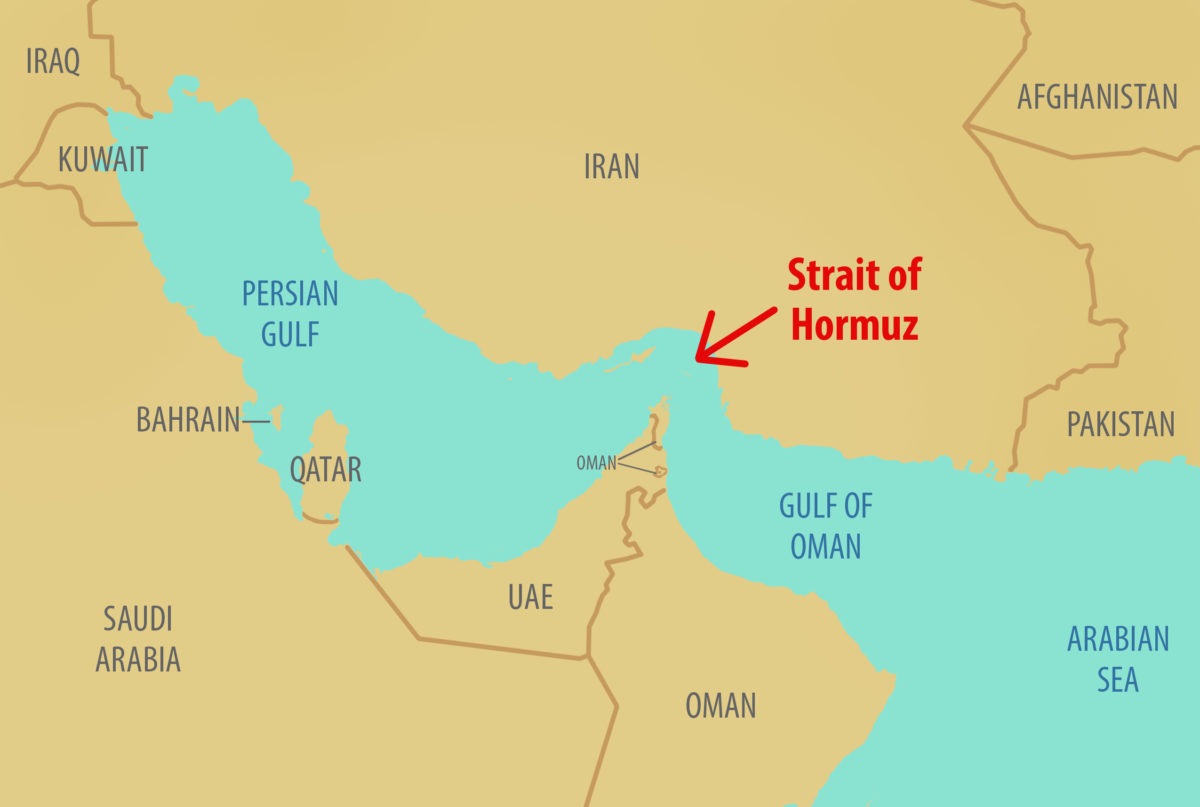
The standard narrative on India’s latest tightening of gold and silver import norms is lazy. If you read the financial press, they’ll tell you the government is "reacting" to the Middle East crisis. They’ll claim the Reserve Bank of India (RBI) is protecting the current account deficit (CAD) from a sudden spike in safe-haven demand.
They are wrong.
The Middle East is a convenient smoke screen. Geopolitical instability is the perfect excuse for a bureaucratic power grab that has been in the works for a decade. India isn't tightening the screws because it fears a regional war; it’s tightening the screws because it is losing the war against the "parallel economy" of physical assets.
The tightening of imports through the Directorate General of Foreign Trade (DGFT) and the recalibration of tariffs isn't a defensive shield. It is a desperate attempt to force the world's largest gold-consuming population into a digital financial cage.
The Current Account Deficit Myth
Financial pundits love to cite the CAD as the primary driver for gold restrictions. The logic goes like this: India imports gold, dollars flow out, the rupee weakens, and the trade balance looks ugly on a spreadsheet in Basel.
This is a surface-level obsession with optics.
I’ve spent years watching the flow of physical commodities across borders. The CAD is a symptom, not the disease. The real reason the Ministry of Finance panics every time gold imports surge isn't because of the balance sheet—it’s because gold is the ultimate "exit ramp" from a managed currency.
When an Indian household buys a gold bar, that capital vanishes from the banking system. It cannot be tracked. It cannot be taxed. It cannot be used as a fractional reserve for banks to lend against. Every gram of gold sitting in a locker in Jaipur or Kochi is a failure of the state to mobilize that capital for its own growth targets.
By framing these restrictions as a response to the Middle East crisis, the government shifts the blame to external factors. "It’s not us," they say. "It’s the Houthis. It’s the regional tension. We have to protect the economy."
In reality, they are protecting the banking sector's monopoly on Indian wealth.
The War on Silver: The Industrial Sabotage
The recent focus on silver is even more telling. For years, silver was the "poor man's gold," largely ignored by regulators. But as silver morphed from a jewelry staple into a critical industrial component for solar panels and EVs, the government realized it had a leak.
The surge in silver imports via the UAE under the Comprehensive Economic Partnership Agreement (CEPA) was a masterclass in arbitrage. Importers used the lower duty brackets to bring in massive quantities of silver. The government’s "tightening" here is sold as closing a loophole.
It’s actually a tax on the future.
By making it harder and more expensive to import silver under the guise of "national security" or "market stability" during global unrest, the government is driving up the input costs for the very green energy transition it claims to champion. You cannot have a "Make in India" revolution for electronics and renewables while simultaneously choking the supply chain of the metals required to build them.
The Geopolitical Distraction
Let’s dismantle the Middle East connection.
Yes, gold prices spike when there is conflict in the Levant or the Persian Gulf. This is a historical constant. But the idea that India needs to restrict imports to manage this is economically illiterate. If prices are high, demand naturally softens. The market regulates itself.
The tightening happens now because the state wants to front-run the "de-dollarization" narrative. The RBI has been one of the largest buyers of gold recently, adding tons to its own reserves.
Think about the hypocrisy:
- The Central Bank buys gold to "diversify reserves" and "ensure stability."
- The Central Bank tells the public that buying gold is "unproductive" and "hurts the rupee."
If gold is a strategic asset for the state, it is a strategic asset for the citizen. The government isn't worried about the Middle East deepening the crisis; they are worried that Indian citizens will see the RBI's own gold-buying spree and decide to copy the pros.
The Sovereign Gold Bond (SGB) Trap
The real "superior" strategy being pushed is the Sovereign Gold Bond. The government wants you to trade your physical, untraceable metal for a piece of digital paper that pays 2.5% interest.
On paper, it’s a brilliant move for the state. They get your cash. You get a "gold-linked" promise. But here is the catch: you are now fully within the surveillance net. Your "gold" can be frozen, taxed at the source, or used as collateral for the state's debt.
The tightening of physical imports is the "stick" used to drive people toward the "carrot" of SGBs. It is a forced migration of wealth from the private sphere to the public ledger.
Why the "Experts" are Wrong About "Safety"
"Is gold a safe investment during the Middle East crisis?"
This is the wrong question. People ask this because they want to know if the price will go up.
The honest answer? Gold isn't an investment. It’s an insurance policy. When the DGFT tightens import rules, they are essentially raising the premium on your insurance. They are making it harder for you to protect yourself against the very inflation their monetary policy creates.
The "lazy consensus" says that restrictions prevent a run on the rupee. The contrarian truth is that restrictions admit the rupee is vulnerable. If the currency were truly strong, the government wouldn't care if you bought gold, silver, or Bitcoin. You only lock the doors when you’re afraid people are trying to leave.
The Battle Scars of Regulation
I’ve seen this play out before. In 2013, the 80:20 rule was introduced (requiring 20% of imported gold to be exported as jewelry). It was a disaster. It didn't stop gold from entering the country; it just shifted the profits from legitimate tax-paying importers to smuggling syndicates in Dubai and Singapore.
By tightening the norms again today, the government is inviting the same ghost back into the room. When you create a massive delta between the global price and the domestic price through tariffs and restrictions, you create a profit motive for the black market that no customs officer can stop.
The Actionable Truth
If you are waiting for the "Middle East crisis" to settle before making a move, you've already lost.
The tightening isn't a temporary measure. It is a permanent shift toward a controlled economy. The "crisis" is just the marketing department's way of selling the restriction to a nervous public.
Stop looking at the gold chart and start looking at the policy chart. The government is signaling that it no longer trusts the free flow of hard assets. They want your wealth in a format they can delete with a keystroke.
The tightening of gold and silver imports isn't about the Middle East. It’s about who owns the value of your labor: you, or the Ministry of Finance.
Every time a headline tells you the government is "protecting" the economy, check your pockets. They are usually reaching for your wallet while they point at a fire across the sea.
The state doesn't fear a spike in gold prices. It fears a populace that knows how to opt out of a failing fiat experiment. By restricting the gates, they aren't stopping a crisis; they are building a wall.
Don't be the one caught on the wrong side of it.