The Dutch-flagged expedition vessel MV Hondius was supposed to be a triumph of remote exploration, a month-long odyssey from the tip of Argentina to the volcanic outposts of the South Atlantic. Instead, it became a floating laboratory for one of the most lethal and misunderstood pathogens on the planet. As the ship finally docked in Tenerife this weekend to evacuate its remaining 147 passengers, the scale of the disaster has come into sharp focus: eight cases, three deaths, and a trail of potential exposure spanning four continents.
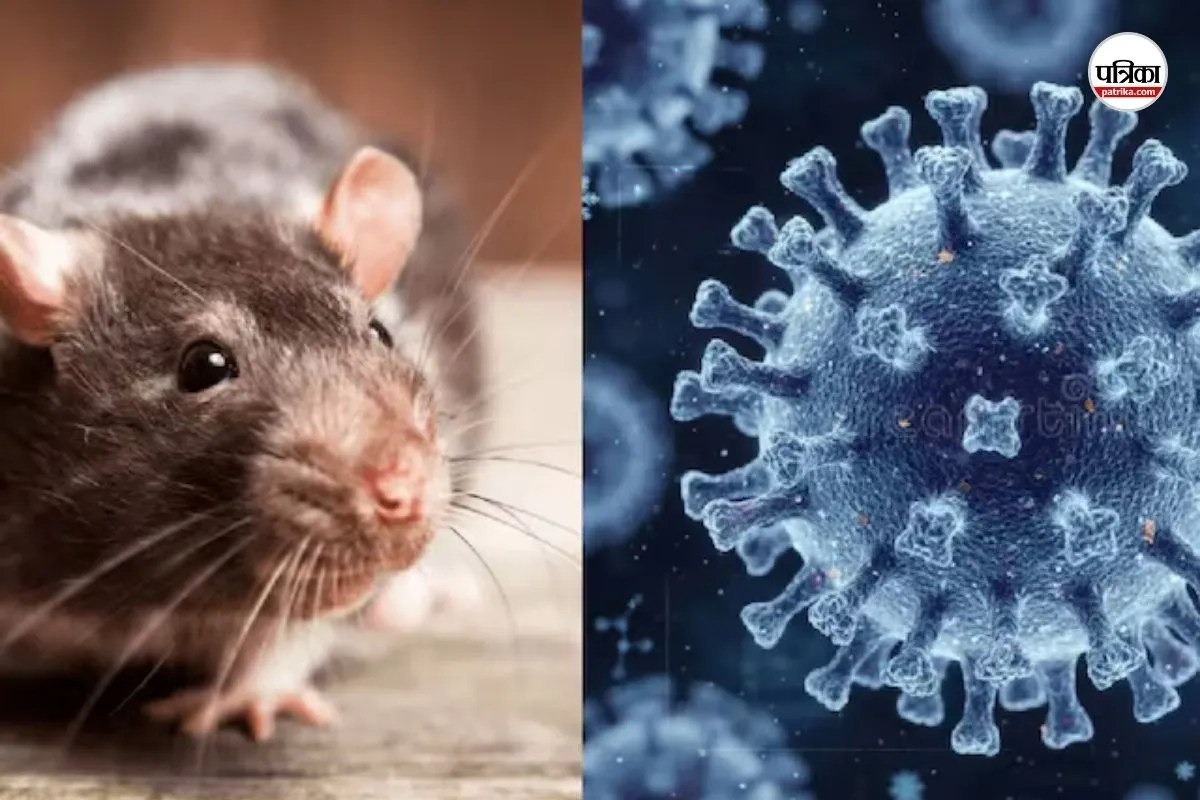
The primary query for many is how a rodent-borne virus managed to hijack a modern cruise ship. The answer lies in the Andes virus (ANDV), a specific strain of hantavirus endemic to South America. Unlike its cousins in the American West or Europe, the Andes strain has a terrifying, singular distinction: it can spread directly from person to person.
The Index Case and the Four Month Road Trip
Investigators have traced the source to a 70-year-old Dutch passenger who boarded in Ushuaia on April 1. Before embarking, he had spent four months on a rugged road trip through Chile and Uruguay. This was the "spillover event." Somewhere in the Andean foothills, he likely inhaled aerosolized droppings from a long-tailed pygmy rice rat.
By April 6, five days into the voyage, he was the first to fall ill. His symptoms—fever, headache, and diarrhea—were initially dismissed as routine. He died on board on April 11. Because there were no microbiological tests available, his death was chalked up to natural causes. This failure to recognize the threat allowed the virus a two-week window to circulate in the cramped, recirculating air of the ship’s cabins.
The Lethal Mechanics of Hantavirus Pulmonary Syndrome
Hantavirus does not kill like a cold. It triggers Hantavirus Pulmonary Syndrome (HPS), a condition where the body’s immune response becomes its own executioner. The virus attacks the endothelium, the thin lining of the blood vessels.
When this lining fails, capillaries leak fluid directly into the lungs. The patient literally drowns from within. This progression is hauntingly rapid. One day you have a mild fever; 48 hours later, you are in full respiratory failure and shock. The case fatality rate for HPS hovers around 40%, a figure that makes the early days of the COVID-19 pandemic look mild by comparison.
A Chain of Failures Across the Atlantic
The tragedy was compounded by a lack of international coordination during the ship's stops at remote British Overseas Territories.
- Tristan da Cunha: The ship visited this isolated community between April 13 and 15, while the index case's body was still in the ship's morgue and other passengers were beginning to incubate the virus.
- Saint Helena: On April 24, nearly two weeks after the first death, 30 passengers disembarked. Among them was the widow of the index case. She collapsed at the airport in Johannesburg a day later and died shortly after arrival.
- The Flight to Zurich: A Swiss passenger who disembarked at Saint Helena flew home via South Africa and Qatar. He is now in isolation in Zurich, a confirmed positive case.
This "leakage" of passengers before the outbreak was officially recognized on May 2 is what has sent the CDC and WHO into a frenzy of contact tracing. The virus has a long incubation period—up to 42 days. We are currently in the "gray zone" where more passengers could still develop symptoms.
Why the Cruise Industry Was Unprepared
The maritime industry is built to fight Norovirus and Legionella. It is not designed for a high-consequence zoonotic pathogen that mimics the flu. The MV Hondius lacked the diagnostic tools to differentiate between a common cold and a level-4 biohazard.
Furthermore, the ship’s doctor—one of the few people trained to spot these trends—became infected himself. He was medically evacuated to the Netherlands on May 6. When the primary medical officer becomes the patient, the internal defense of the ship collapses.
The Human-to-Human Factor
Scientists at UC Riverside and the University of Nebraska are currently analyzing the viral sequences. They are looking for "true viral mutations" that might explain why this cluster was so aggressive. While the Andes virus typically requires close, prolonged contact—such as sharing a cabin or caring for a sick relative—the confined nature of an expedition ship provides the perfect environment for "limited" transmission to become a major outbreak.
It is not "airborne" in the way measles is. You likely won't catch it by walking past someone in a hallway. However, respiratory droplets and shared surfaces in a small cabin are more than enough.
The Road to Nebraska
For the American passengers returning from the Hondius, the journey doesn't end at the airport. The CDC has designated the Nebraska Biocontainment Unit as the hub for monitoring. This isn't a traditional quarantine; it is a 42-day high-stakes observation period.
The challenge now is the "false negative." PCR tests can come back clean even while the virus is shedding. This creates a terrifying dilemma for public health officials: do you release a passenger who feels fine, knowing they might "crash" in a suburban neighborhood three days later?
The South Atlantic crisis exposes a massive hole in our global health security. We are increasingly sending luxury vessels into the most "pristine" and "remote" parts of the world—areas where ancient viruses live in rodent reservoirs. We are bringing the world to the virus, and then we are bringing the virus home.
The 42-day clock is ticking for everyone who was on that ship.
Immediate Action Step: If you or anyone you know has traveled through the South Atlantic or the Andean regions of South America in the last 60 days and develops a sudden, high fever accompanied by muscle aches and shortness of breath, do not go to a standard urgent care. Contact your local health department immediately and specify the "Andes virus" protocol to ensure medical staff use proper PPE before you arrive.