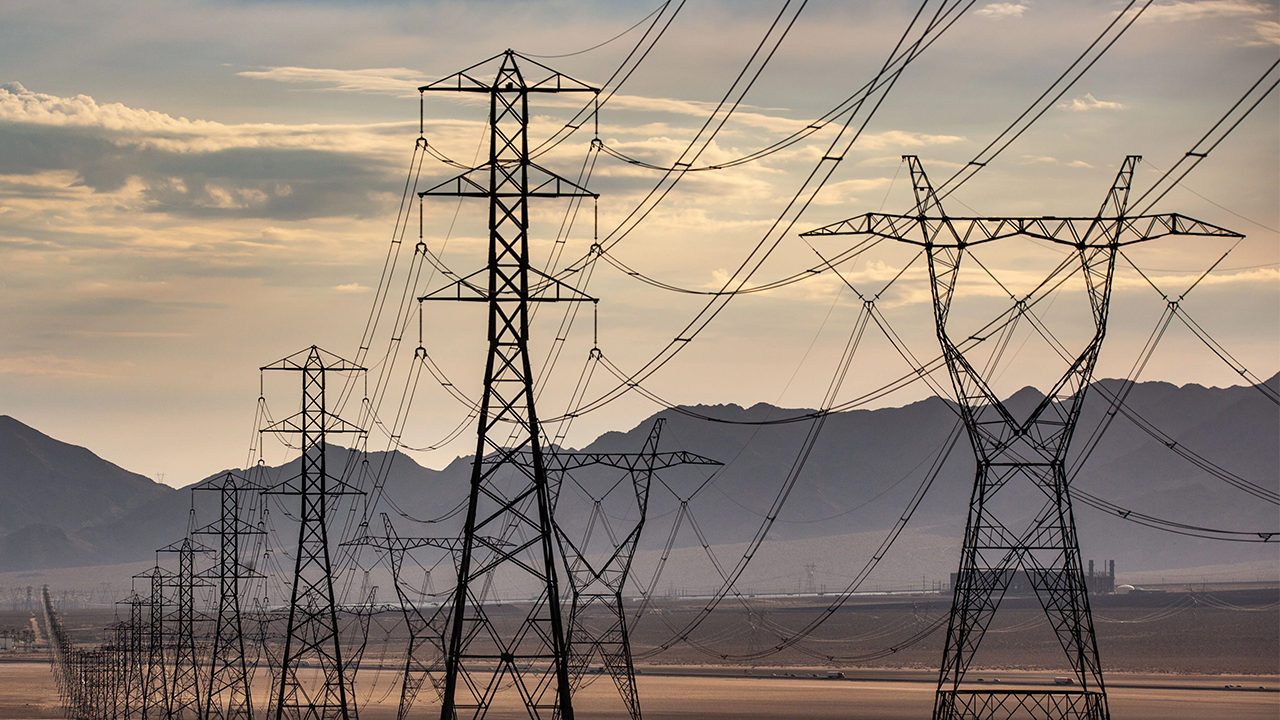
Energy infrastructure isn't just about keeping the lights on anymore. It's the ultimate hostage in a high-stakes geopolitical poker game. Recent statements from Tehran have shifted the conversation from shadow wars to a potential total blackout across the region. If you've been following the escalating friction between Iran and its regional adversaries, you know the rhetoric is reaching a boiling point. Iran's latest warning is blunt. If their power plants are targeted, they'll hit back at the enemy's energy grid with equal or greater force.
This isn't just a standard "tit-for-tat" press release. It's a fundamental change in how deterrence works in 2026. For decades, we talked about nuclear silos or troop movements. Now, we're talking about the vulnerability of the turbine and the transformer. Taking out a power plant doesn't just stop a factory. It kills water desalination, halts hospitals, and turns a modern city into a pre-industrial nightmare within forty-eight hours. Tehran knows this. Their rivals know this. The message is clear: an attack on Iranian electricity is an attack on the entire region’s stability.
The Strategy Behind the Power Plant Ultimatum
Military planners call it "infrastructure-centric warfare." Iran has spent years building a proxy network that can reach almost any corner of the Middle East. While their air force might be aging, their missile and drone technology is precise. By explicitly mentioning power plants, Tehran is drawing a new red line. They're telling the world that the "gray zone" of conflict—the small sabotage acts and cyberattacks—is over. We're entering a phase where the consequences are immediate and visible to every citizen.
Think about the geography for a second. The Middle East is a patchwork of interconnected energy needs. If Iran decides to follow through on this threat, the targets aren't hard to find. Large-scale desalination plants in the Gulf rely entirely on a steady stream of high-voltage electricity. Without them, there's no drinking water. By putting these assets in the crosshairs, Iran is effectively holding the region’s basic survival requirements as collateral. It's a grim strategy, but from a purely tactical standpoint, it's one of the few ways a sanctioned power can balance the scales against superior conventional air power.
Why the Grid is the New Front Line
Traditional warfare focused on "counter-force" targets—hitting the other guy's tanks or planes. That's expensive and difficult. Hitting a power plant is much easier. These facilities are huge, stationary, and impossible to hide. You can't put a thermal power station in an underground bunker. Most of these sites were built for efficiency, not for surviving a sustained missile barrage.
The vulnerability is baked into the design. A single well-placed strike on a substation can cascade through a whole national grid. We've seen previews of this in other global conflicts. When the power goes, everything else follows.
- Communication networks fail as backup batteries at cell towers die.
- Fuel pumps stop working, meaning even those with generators can't keep them running.
- Financial systems freeze, making it impossible to buy food or supplies.
Iran's statement suggests they've mapped out exactly which nodes in their neighbors' grids are the most fragile. It’s a psychological play as much as a military one. They want the civilian populations of their rivals to pressure their governments against any escalation. It's a "misery-for-misery" doctrine.
The Role of Cyber Warfare in Energy Retaliation
Don't assume this "tit-for-tat" only involves physical missiles. The most likely first strike on a power plant will be digital. Iranian hacking groups have been linked to several "prodding" attacks on industrial control systems (ICS) over the last few years. These aren't meant to cause a permanent meltdown, but they serve as a digital "shot across the bow."
A cyberattack on a grid is the perfect tool for a country that wants to retaliate without immediately triggering a full-scale invasion. It's deniable. It's fast. And it's terrifyingly effective. If a turbine is instructed to spin at a frequency it wasn't designed for, it can physically tear itself apart. Replacing that hardware takes months, not days. If Iran follows through on its statement, the first sign won't be a flash in the sky, but a quiet, simultaneous failure of digital screens across a city.
Economic Fallout of an Energy War
The global markets are already twitchy. The mere mention of targeting energy infrastructure sends oil and gas prices into a tailspin. If Iran's power plants are hit, the first casualty is their domestic industrial capacity, including their ability to process and export oil. But the retaliatory strike would likely hit the global energy supply chain.
We're talking about a scenario where the Strait of Hormuz isn't just physically blocked by ships, but where the very facilities that pump the oil are offline. The ripple effect would be felt in gas stations in London and factories in Shanghai. This is why international diplomats are scrambling. They realize that a "tit-for-tat" on electricity isn't a localized issue. It’s a global economic threat.
Iran is banking on the fact that the West doesn't have the stomach for $150-a-barrel oil. They're using their own vulnerability—their aging and exposed power grid—as a way to ensure their survival. If you can't protect your own assets, you make sure the cost of hitting them is too high for anyone to pay.
Assessing the Credibility of the Threat
Is this just bluster? Honestly, probably not. Iran has shown a willingness to hit energy targets before. The 2019 attack on the Abqaiq and Khurais oil processing facilities in Saudi Arabia proved that they have the reach and the precision. That attack took five percent of the world's oil supply offline in a single morning.
The current statement is a logical evolution of that capability. They aren't just looking at oil anymore; they're looking at the domestic comfort of their enemies. It's a deeply personal form of warfare. It says "if our people sit in the dark and heat, yours will too." That kind of rhetoric is hard to walk back. It creates a "use it or lose it" mentality among military commanders on both sides.
Steps for Regional Risk Management
For businesses and organizations operating in the region, this isn't the time for "business as usual." The threat to the grid is the most significant operational risk since the 1970s. You need to look at your energy redundancy.
- Audit your backup power systems. If you're relying on diesel generators, do you have a thirty-day fuel supply on-site?
- Diversify your energy sources. This is the strongest argument for localized solar and battery storage. A decentralized grid is much harder to kill than a centralized one.
- Review your cyber security posture. Specifically, look at the bridge between your corporate network and any industrial machinery you run.
The era of assuming the "lights will just stay on" is over in the Middle East. Whether or not the missiles fly, the threat alone has changed the cost of doing business and the nature of regional security. You have to prepare for a world where the power grid is a primary theater of war. Keep your fuel tanks full and your data backed up off-site. The next few months will determine if this was a successful bluff or the beginning of a very dark chapter.