The smoke rising from Beirut’s southern suburbs on Wednesday wasn’t just another explosion in a region long accustomed to them. It was a loud, violent reminder that "ceasefire" is a very flexible word in 2026. While President Donald Trump sits in the Oval Office telling the press that the war with Iran will be "over quickly," the reality on the ground in Lebanon and the Persian Gulf looks a lot messier.
You’ve probably seen the headlines. Trump is bullish. He’s leaning into his "Art of the Deal" persona, claiming Iran is desperate to sign on the dotted line. But if you look at the actual movement of Israeli jets and U.S. naval blockades, the "quick end" he’s promising feels more like a pause before a potential storm.
The Beirut Strike and the Myth of the Quiet Ceasefire
For the first time since the April 16 ceasefire was inked, Israeli missiles slammed into the Haret Hreik neighborhood of Beirut. The target? The commander of Hezbollah’s elite Radwan unit. Israel isn't hiding it. Prime Minister Benjamin Netanyahu and Defense Minister Israel Katz were quick to put out a joint statement basically saying that a ceasefire doesn't mean immunity for "terrorists."
This is the central friction of the current moment. Israel says it’s acting in self-defense against "imminent threats," while Hezbollah views these strikes as a total collapse of the truce. Since that April deal, nearly 100 people have died in Lebanon from Israeli strikes. That doesn't sound like peace to anyone living there.
The strategy is clear: Israel is keeping the pressure high on Hezbollah to ensure they don't regroup while the U.S. and Iran haggle over the bigger picture. But by hitting Beirut—the symbolic and political heart of the country—Israel is betting that Iran won't let its most powerful proxy retaliate in a way that blows up the peace talks entirely.
Trump’s "Mini War" and the One Page Memo
While Beirut was burning, Trump was busy at the White House. He’s started calling the conflict with Iran a "mini war" or sometimes just an "excursion." It’s classic Trump branding—minimizing the scale of a conflict that has already disrupted 20% of the world's energy supply through the Strait of Hormuz.
The U.S. proposal currently on the table is reportedly a thin, one-page memorandum of understanding. The goal? Formally end the conflict that started back in February.
- The U.S. Hook: Lifting the naval blockade and unfreezing Iranian assets.
- The Iranian Ask: Reopening the Strait of Hormuz and stopping the "Project Freedom" escort missions.
- The Sticking Point: Iran’s nuclear program.
Trump says he’s had "very good talks" in the last 24 hours. He’s even paused the plan to have U.S. ships escort tankers through the Strait to show "good faith." But don't let the optimism fool you. Iranian officials, like Parliament Speaker Mohammad Baqer Qalibaf, are literally mocking the U.S. narrative on social media, calling it "American spin."
Why the Strait of Hormuz Still Dictates Everything
If you want to know if the war is actually ending, don't watch the press conferences. Watch the water. The U.S. military recently fired on an Iranian oil tanker in the Gulf of Oman because it tried to break the blockade. Trump’s message is blunt: "If they don’t agree, the bombing starts."
The U.S. economy is "booming" according to the administration, but that boom is fragile if gas prices stay high because of the Hormuz bottleneck. Iran knows this is their only real leverage. They’ve proven they can shut down the world’s most important energy artery, and they aren't going to give that up for a "thin" one-page memo that doesn't guarantee long-term sanctions relief.
The Reality of the "Quick" Exit
The "over quickly" narrative is a political necessity for Trump. He has a 60-day clock under the War Powers Resolution that he’s trying to dance around by claiming hostilities have "terminated." But a war isn't over just because a politician says so.
We’re seeing a two-track reality:
- Diplomatic Track: Jared Kushner and Steve Witkoff are trying to bridge the gap in Islamabad, using Pakistan as a middleman.
- Military Track: Israel is systematically dismantling Hezbollah leadership in Beirut and southern Lebanon, while the U.S. Navy maintains a chokehold on Iranian exports.
Honestly, the risk here is a massive miscalculation. If an Israeli strike kills too many civilians in Beirut, or if an Iranian "proxy" sinks a U.S. ship in the Strait, the "mini war" becomes a regional inferno.
What You Should Watch For Next
If you're trying to figure out if we're actually heading for peace or more chaos, keep your eyes on these three things:
- The Thursday Response: Iran is expected to give a formal answer to the U.S. proposal. If they ask for "clarifications" or add another 10 points, expect Trump’s patience to wear thin.
- Hezbollah’s Retaliation: They’ve already launched drones and rockets at northern Israel since the Beirut strike. If they target Tel Aviv, the ceasefire is officially dead.
- The Saudi Factor: Reports suggest Saudi Arabia recently blocked the U.S. from using their bases for "Project Freedom" missions. This tension between Washington and Riyadh could force Trump’s hand to make a deal faster—or more desperately.
Don't buy into the "mission accomplished" rhetoric just yet. We’re in a volatile transition period where the line between a peace deal and a total escalation is thinner than that one-page memo Trump is touting.
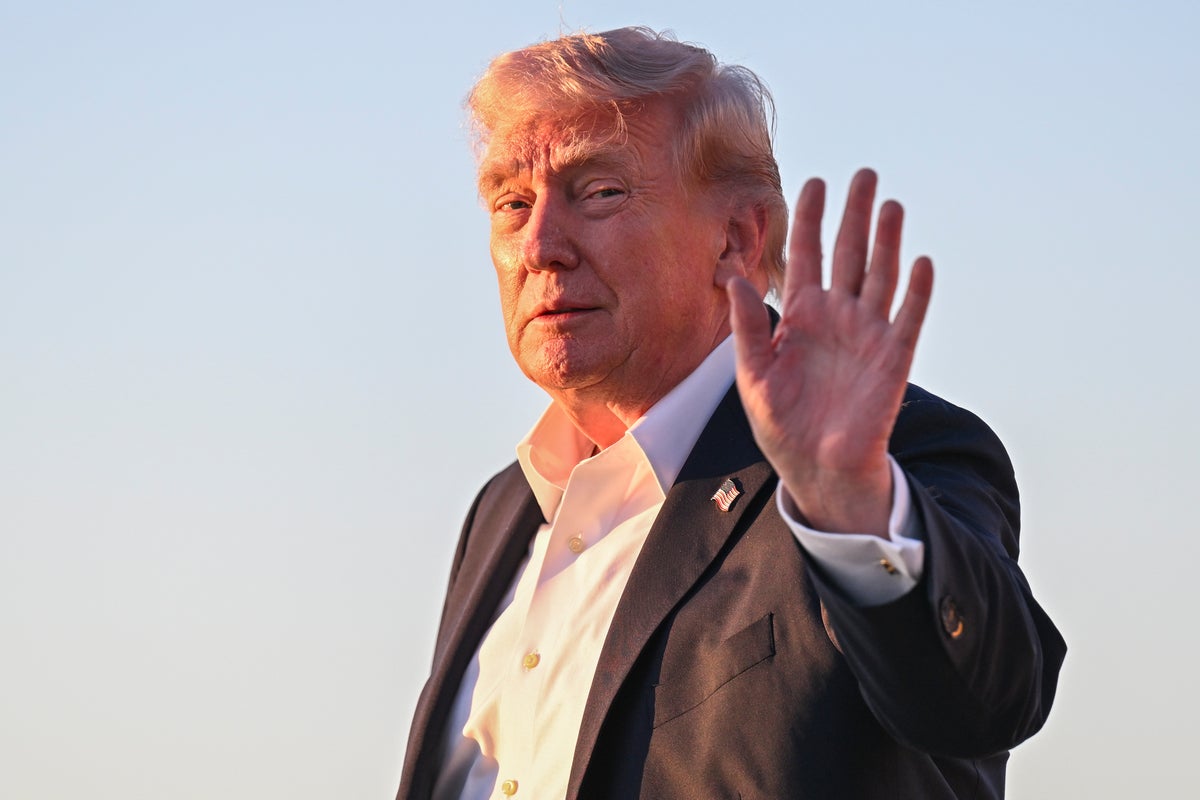
Donald Trump speaks on Iran negotiations
This video provides the direct context of President Trump's recent comments regarding the potential deal with Iran and his threats of further strikes if an agreement isn't reached.