The current state of play between the United States and Iran is basically a high-stakes staring contest where both sides are holding live grenades. If you've been following the headlines today, May 7, 2026, you know the situation is tense. Pakistan-mediated talks in Islamabad are the only thing keeping a lid on a full-scale regional meltdown.
People want to know if there's actually a path to peace or if we're just waiting for the ceasefire to snap. The short answer? The US has a 14-point plan on the table, and Iran is currently picking it apart. President Trump says they’re in "good shape," but the reality on the ground—with naval blockades and sabotaged tankers—paints a much uglier picture.
The 14 Point Plan You Need to Know About
Washington’s latest proposal isn't just a simple "stop shooting" request. It’s a massive structural overhaul of how Iran operates. Based on the documents floating around Islamabad, the US is demanding a decade-long ban on uranium enrichment. That’s a huge climbdown from the 20 years they were asking for last month, but it's still a non-starter for the hardliners in Tehran.
The proposal also hammers on the Strait of Hormuz. The US wants it reopened immediately and permanently, with a new maritime framework that basically strips Iran of its ability to use the waterway as a geopolitical lever. In exchange, the US is dangling "conditional" sanctions relief and the unfreezing of billions in Iranian assets.
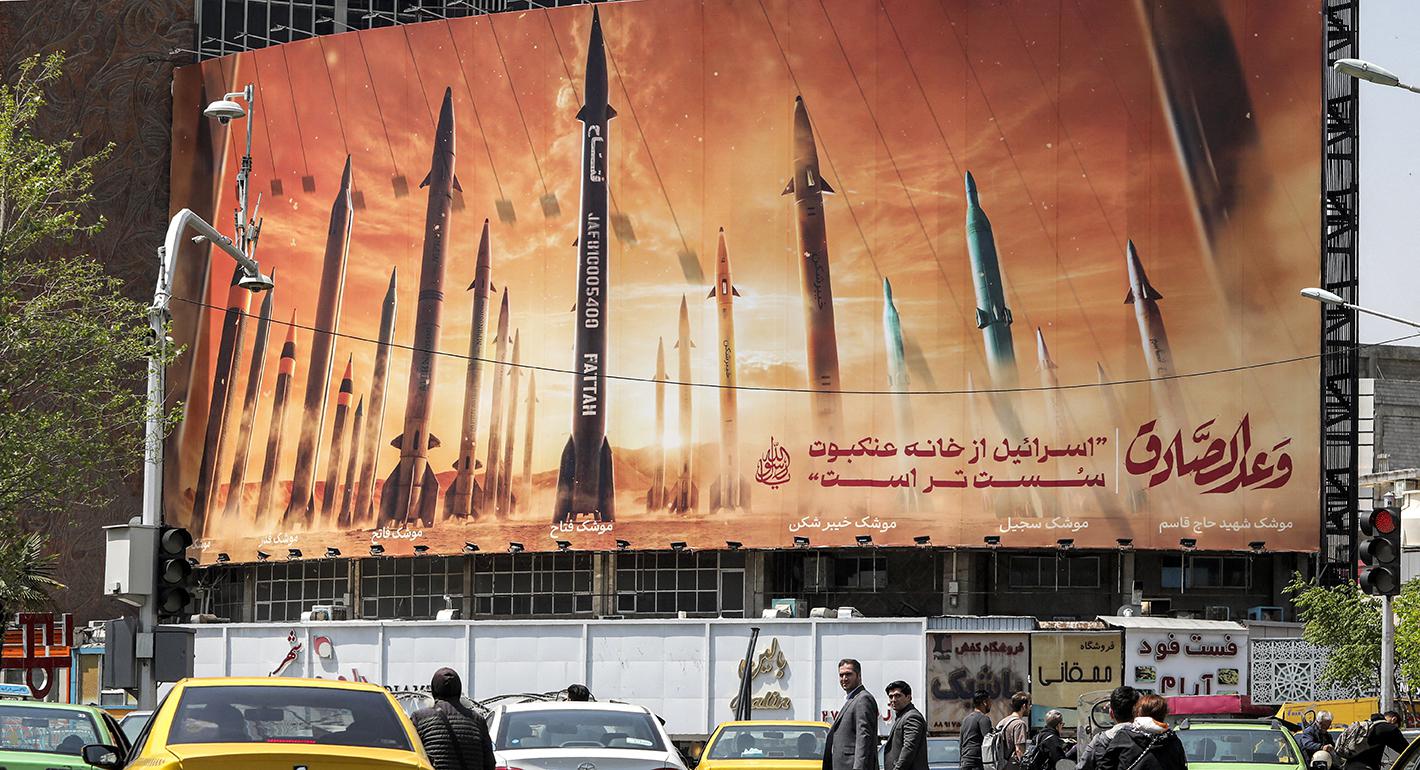
But here is the catch. The US is also demanding an end to Iran’s ballistic missile program and a total withdrawal of support for regional groups in Lebanon, Iraq, and Yemen. To Iran, that isn't a peace deal—it’s an invitation to surrender their entire regional defense strategy.
Why Iran Probably Wont Sign
You have to look at this from Tehran’s perspective to understand why they’re dragging their feet. They just saw their top leadership decimated earlier this year. They’re dealing with rolling blackouts and a crippled economy, yet the Revolutionary Guard is still talking about "opening the gates of hell."
Iran’s counter-proposal is a 10-point plan that’s almost the polar opposite of what Trump wants. They aren't just asking for sanctions to be lifted; they want war reparations. They want international recognition of their sovereignty over the Strait of Hormuz. Most importantly, they want a guarantee that the US and Israel won’t attack them again—something no US administration is likely to sign in writing.
The internal politics in Iran are also a mess right now. With the internet blacked out and protests simmering, the regime needs a "win." Agreeing to zero enrichment looks like a total defeat. They’d rather keep the "war of attrition" going than sign a deal that makes them look weak at home.
The Blockade and the Ticking Clock
While the diplomats talk, the US Navy is busy enforcing a "chokehold" on Iranian ports. Just yesterday, US Central Command confirmed they took out the rudder of an Iranian tanker in the Gulf of Oman. This is "Project Freedom" in action—Trump’s initiative to guide non-involved merchant ships out of the zone while keeping Iranian oil locked in.
This blockade is the real pressure point. Iran can’t survive forever without oil revenue, but the US can’t keep a massive carrier strike group in the Persian Gulf indefinitely without things eventually boiling over.
Key Obstacles to a Deal
- The Nuclear Zero Clause: The US wants no enrichment; Iran says they need it for medical and energy purposes.
- The Missile Program: Washington sees it as a threat; Tehran sees it as their only deterrent against a superior air force.
- Regional Proxies: The US wants Iran to abandon its allies; Iran sees those allies as its "forward defense."
What Happens if the Talks Fail
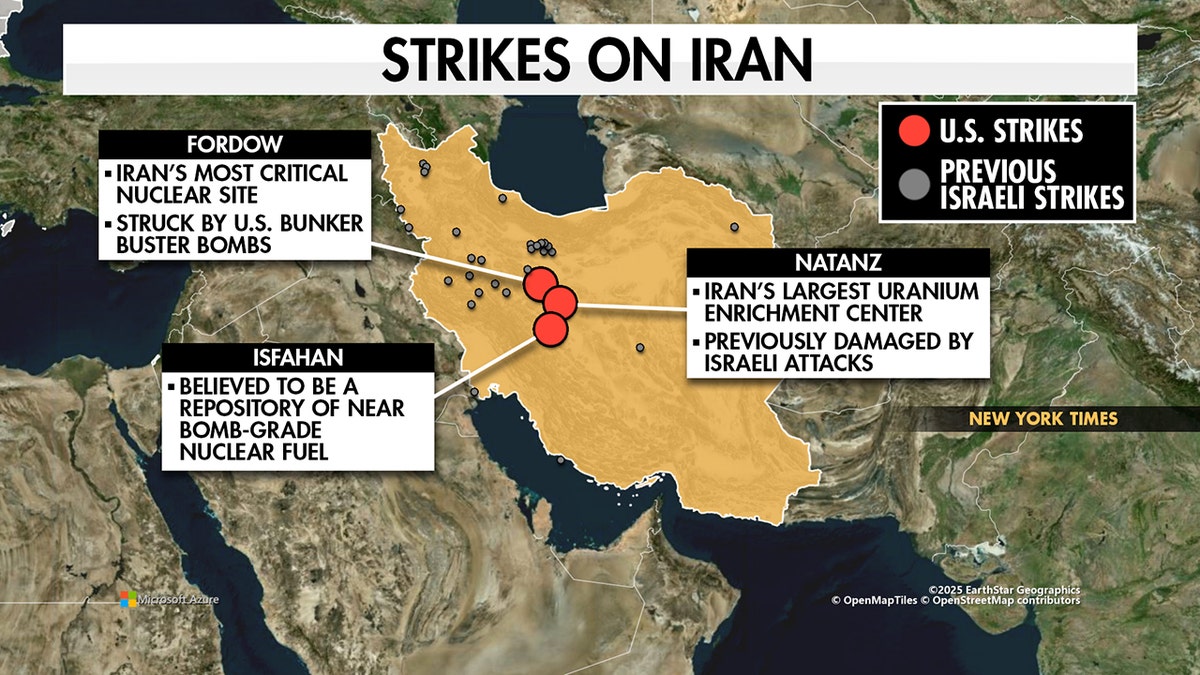
If this 30-day negotiating window closes without a signature, we’re looking at a return to active hostilities. Trump has already hinted that if he doesn't get what he wants, he’ll take a "big step further." In plain English, that means more strikes on nuclear sites and probably a move against Iran’s remaining energy infrastructure.
Iran knows this. Their strategy is to keep the talks alive just enough to avoid a massive bombing campaign while hoping the international community pressures the US to ease the blockade. It’s a cynical game of "kick the can," and unfortunately, it's the most likely scenario for the next few months.
If you're looking for a definitive "peace in our time" moment, don't hold your breath. The gap between what Trump considers a "good deal" and what Iran considers "survival" is still way too wide. Expect more "very good talks" that lead to absolutely nothing while the ships stay stuck in the Gulf.
The next logical step for anyone watching this is to keep an eye on the Pakistani mediators. If they leave Islamabad, the ceasefire is over. Until then, we’re just stuck in the waiting room of a global crisis.