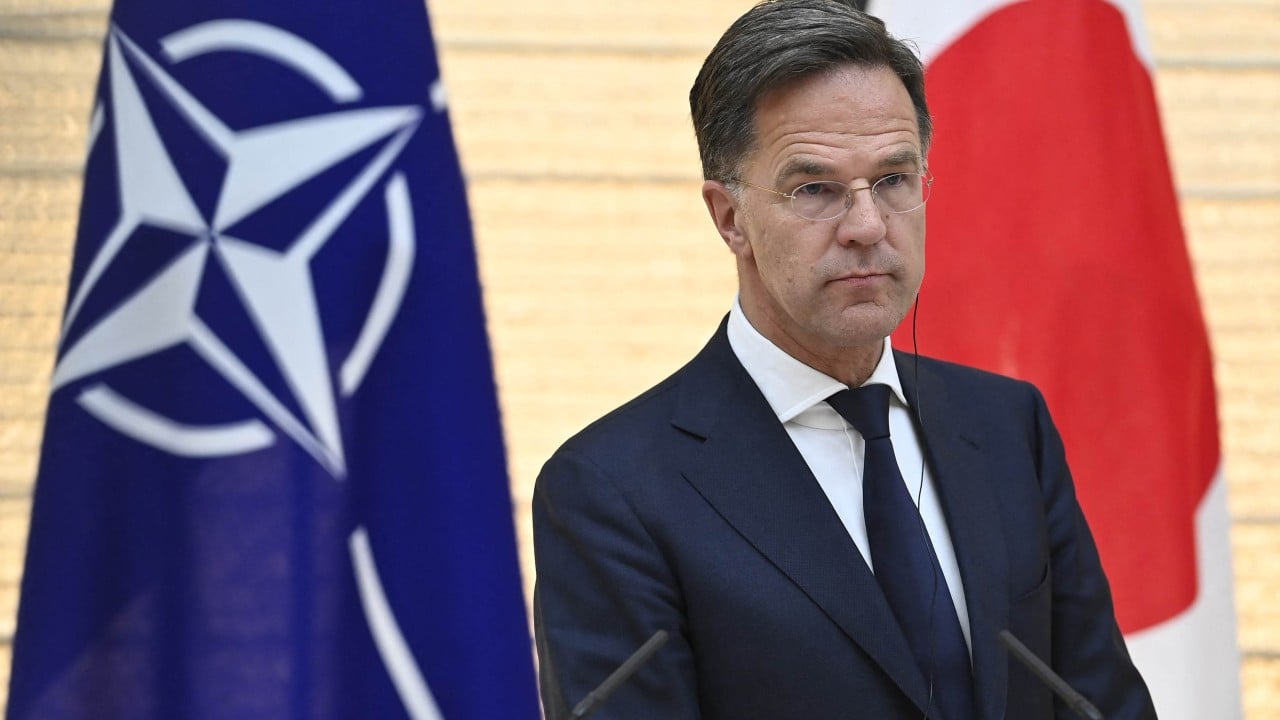
While European leaders are sweating through another round of "will he or won't he" regarding the U.S. commitment to NATO, Japan is quietly hosting 30 NATO envoys to show them how it's done. Tokyo isn't just a host this week; it's a blueprint. As Donald Trump leans into a second term with familiar threats to walk away from "disloyal" allies, Japan has managed to stay in his good graces while simultaneously deepening its ties with the North Atlantic alliance.
It’s a masterclass in geopolitical tightrope walking.
The delegation, consisting of ambassadors from nearly all 32 NATO member states, is landing in Tokyo at a moment of peak anxiety. They aren't just here for the sushi and the high-speed rail. They're here to figure out how Prime Minister Sanae Takaichi managed to secure a $76 billion investment deal with the White House while Europe is being told to pay up or get out.
The Trump Whisperer Strategy
Let's be real. The transactional nature of the current U.S. administration isn't a secret. While South Korea faces "punishment" for what Trump calls a lukewarm response to the Iran crisis, Japan has played its cards with clinical precision.
In March 2026, Takaichi didn't just visit Washington; she brought receipts. She announced tens of billions in investments into American manufacturing, specifically targeting states like Tennessee. She understood the assignment: to keep Trump happy, you provide "wins" that play well in his domestic rallies.
This is the exact advice the NATO envoys are looking for. They’ve watched Trump threaten to redeploy U.S. forces from "unhelpful" NATO members to "more cooperative" countries. Japan is currently the definition of cooperative. By co-producing AMRAAM missiles and coordinating on the Typhon missile system, Tokyo has made itself indispensable.
Why NATO is Knocking on Tokyo's Door
You might wonder why a bunch of European ambassadors are flocking to an island in the Pacific to discuss a "North Atlantic" treaty. The answer is simple: the security of the Atlantic and the Pacific is now officially inseparable.
- China and Russia: The envoys are deeply concerned about the growing military partnership between Moscow and Beijing. Japan sits on the front lines of that friction.
- The Iran Factor: Trump is currently furious at allies who didn't help with his naval campaign to reopen the Strait of Hormuz. Japan has been more agile in its diplomatic dance here than its neighbors.
- Cyber Resilience: NATO and the "Indo-Pacific Four" (Japan, South Korea, Australia, New Zealand) are already deep into joint cyber defense projects. They're moving from reactive defense to something they call "anticipatory resilience."
The 30 envoys are scheduled to visit the U.S. base in Yokosuka. It’s a visual reminder that while Trump's rhetoric is volatile, the physical footprint of the alliance in Japan is massive—hosting over 50,000 U.S. troops. Japan is showing NATO that you can maintain a massive U.S. presence if you make it look like a win for the U.S. taxpayer.
Moving Past Sentiment
The era of relying on "shared democratic values" to keep Washington’s favor is dead. If you’re still talking about the post-WWII international order in 2026, you're losing.
Japan’s success comes from ditching the historical sentiment and leaning into hard-nosed transactions. They don't just talk about "deterrence"; they talk about supply chain resilience for critical minerals and AI-enabled scientific discovery. They've turned a security alliance into a tech and trade partnership.
South Korea is currently the "bad cop" in this scenario, bearing the brunt of Trump's ire over troop costs and trade deficits. Japan, by contrast, is the "good cop," meeting transactional demands with transactional counter-offers. The NATO envoys aren't just looking for a tour of Tokyo; they're looking for the script to Takaichi’s "well-orchestrated performance."
What This Means for Global Security
If NATO members can't replicate the Japanese model of engagement, we’re going to see a fragmented alliance. We already see reports of the White House weighing plans to shift troops based on "cooperation levels." This turns global security into a subscription service.
Japan’s logic is that if you're going to be in a transactional relationship, you’d better be the best customer. They've increased their defense budget, they're building sovereign cloud platforms for government data, and they're ensuring that the U.S. sees a direct, material benefit to keeping the lights on in Tokyo.
Practical Steps for Alliance Survival
If you’re watching this from a policy or business perspective, the takeaways are clear. The old rules are gone.
- Lead with Economics: Don't lead with security needs. Lead with how your partnership creates jobs or secures supply chains in the U.S.
- Diversify Alliances: Japan is the U.S.'s closest ally in the region, yet it’s the one leading the charge to bring NATO into the Pacific. Don't put all your eggs in one basket.
- Modernize the Offering: Move beyond traditional troop deployments. Focus on cyber, AI, and space—areas where the U.S. feels it needs a technological edge.
The envoys will leave Tokyo with a lot to think about. They’ll likely realize that saving NATO doesn't happen in Brussels; it happens by making the alliance profitable for the guy in the Oval Office. Japan has proven it can be done. Now, the rest of the world has to decide if they're willing to pay the price.