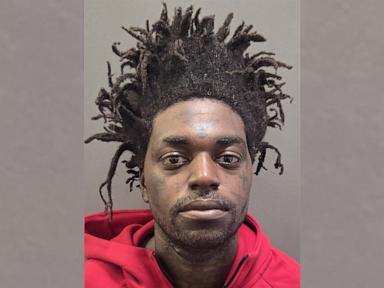
Kodak Black is back in a Florida jail, and honestly, at this point, it feels like a glitch in the simulation. This isn't just another headline for the "Super Gremlin" rapper; it's a high-stakes legal battle over a single pink pill that could land him behind bars for decades. If you've followed Bill Kapri's career, you know the script: chart-topping hits followed by flashing blue lights. But this latest arrest in Orange County on suspicion of trafficking MDMA has some bizarre details that make his previous run-ins look like minor traffic stops.
The arrest didn't happen during a high-speed chase or a dramatic raid. Instead, Kodak turned himself in on Wednesday, May 6, 2026, for a "coordinated surrender." This stems from an investigation that started back in November 2024. While the public is just now catching up, the police have been building this case for months. Recently making news in this space: The Kodak Black Paradox and the Failure of the Celebrity Carceral Loop.
The November Incident and the Pink Pill
The roots of this trafficking charge go back to a report of gunfire near the Children's Safety Village in Orlando. When cops showed up, they found a Lamborghini and a BMW surrounded by a group of people. Kodak was reportedly there, but here's where the legal water gets murky: his lawyer, Bradford Cohen, claims Kodak wasn't even in the vehicle when the search happened.
During that search, officers found a pink bag. Inside? Documents with Kodak’s legal name, about $37,000 in cash, and one 25mg pink pill. That pill tested positive for MDMA (Ecstasy/Molly). Under Florida law, the weight and the circumstances can quickly escalate a simple possession charge into a felony trafficking charge. More information regarding the matter are explored by Bloomberg.
Why one pill equals trafficking
You might think "trafficking" implies a massive warehouse of drugs, but Florida's drug laws are notoriously aggressive. If the state believes you have the intent to sell or if the weight hits certain thresholds, they'll slap you with a trafficking charge. In Kodak's case, he’s facing one felony count of trafficking MDMA (less than 200mg).
The penalties are no joke:
- Mandatory minimum: 3 years in prison.
- Maximum sentence: 30 years.
- Fines: Up to $50,000.
The Fingerprint and the Cough Syrup Defense
Bradford Cohen isn't backing down. He’s calling the legal basis for this arrest "weak," and he’s got a specific explanation for the evidence. Cops found Kodak’s fingerprint on a prescription bottle of cough syrup inside the bag. Cohen’s argument is simple: touching a bottle doesn't mean you possess the illegal drugs sitting next to it.
"This is a case where the law is not sufficient to charge possession of the item," Cohen told reporters. He’s basically saying the police are doubling down on a shaky lead because of Kodak's reputation. It’s a classic defense strategy, but it’s worked for them before. Kodak has beaten or negotiated down dozens of charges over the last decade, including a 2023 cocaine possession charge that was eventually dropped after lab tests showed the substance was actually oxycodone for which he had a prescription.
The Trump Commutation Shadow
Every time Kodak gets handcuffed, the 2021 commutation from Donald Trump comes back into the conversation. Trump cut Kodak's 46-month federal weapons sentence short right before leaving office. Since then, Kodak has been a lightning rod for criticism. People argue he blew his "second chance," while fans point to his massive philanthropic efforts in Pompano Beach as proof he’s trying to do better.
Just last year, he was praised for donating air conditioners to families in South Florida and handing out hundreds of turkeys for Thanksgiving. He’s even been open about his struggles with addiction, claiming he checked himself into rehab in 2024 without a court order just to "better himself."
What Happens Next for Bill Kapri
Right now, Kodak is being held without bond in Orange County. His team is pushing for a hearing to get him out, but his extensive rap sheet makes judges hesitate. This case isn't just about a pink pill; it's about whether the "trafficking" label can actually stick when the defendant wasn't caught "red-handed" with the bag in his physical possession.
If you're following this, don't expect a quick resolution. Florida prosecutors love to take their time with high-profile cases.
Your next steps to stay informed:
- Watch the bond hearing: This will be the first real indicator of how much weight the judge gives to Cohen’s "no physical possession" argument.
- Check the lab results: Just like the 2023 cocaine case, the chemical makeup of the "pink pill" will be scrutinized. Any discrepancy in the testing could tank the prosecution's case.
- Monitor the November shooting investigation: If the state can't link the gunfire to Kodak's group, the initial "probable cause" for the search might be challenged in court.