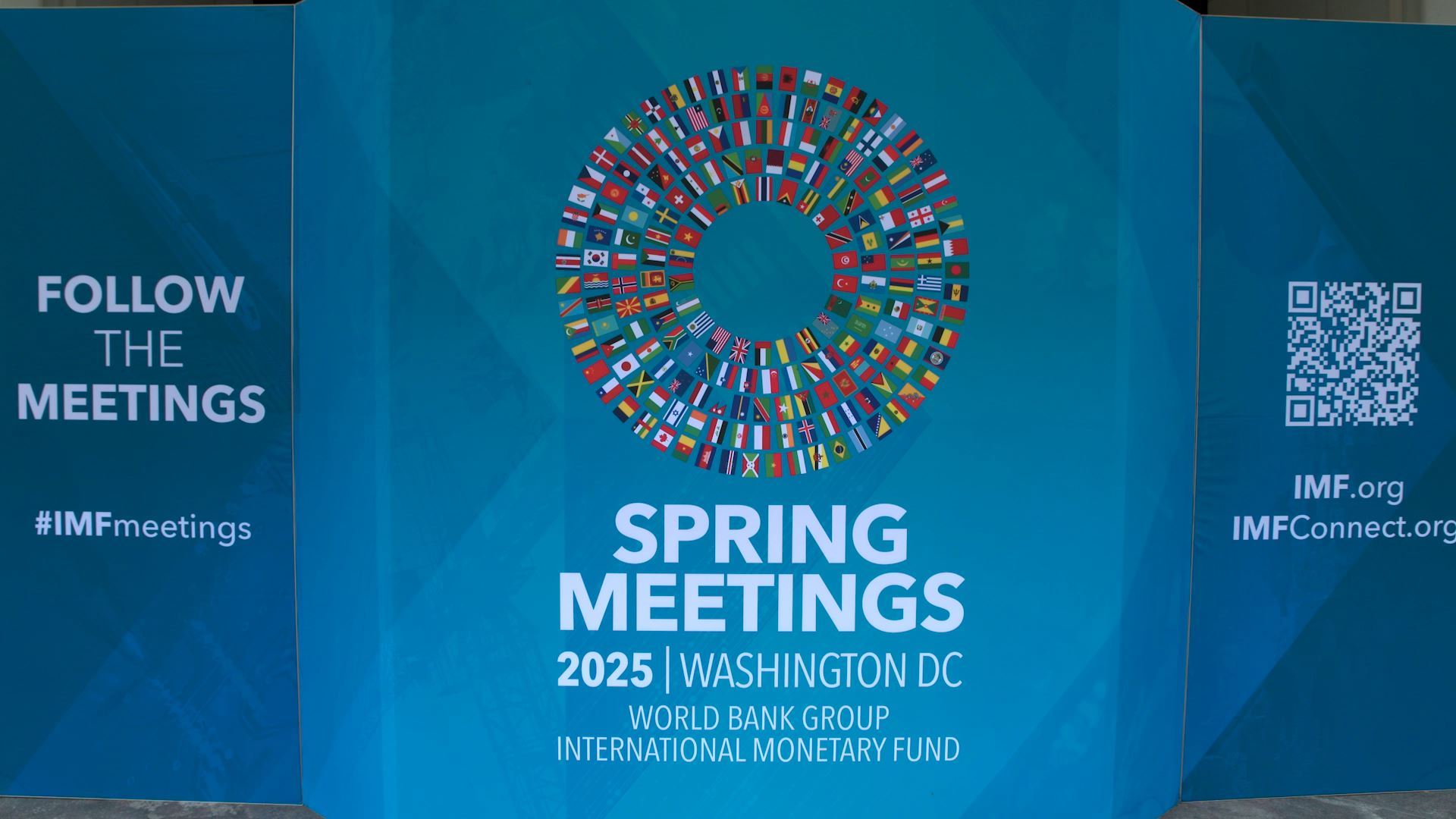
Lebanon's Finance Minister, Yassine Jaber, just wrapped up what he calls "good" meetings with the International Monetary Fund (IMF) in Washington. If you've followed Lebanon’s economic spiral over the last few years, you know that "good" is a relative term. In the world of high-stakes diplomacy, it usually means nobody stormed out of the room. But for the average person in Beirut or Tripoli, these diplomatic wins feel a world away from the reality of a collapsed currency and a banking system that’s essentially a black hole.
The headlines are buzzing about a potential $800 million to $1 billion financing package. It sounds like a lifeline. In reality, it’s a drop in the bucket for a country that’s seen $7 billion in fresh damages just from the recent resumption of war with Israel. Here’s the deal: Jaber and his team are trying to secure a Staff-Level Agreement (SLA). Again. If that sounds familiar, it’s because we’ve been here before. An agreement was reached in 2022 and then left to rot because the political class couldn't—or wouldn't—enact the reforms required to actually unlock the cash.
The Trillion Lira Question
Why is this time supposedly different? Jaber argues that the government remains committed to a lending program despite the massive strikes and the chaos of the March 2 war resumption. He’s essentially trying to convince the world that Lebanon can walk and chew gum at the same time—fighting a war on its borders while fixing a broken economy in the capital.
The IMF isn't known for its sentimentality. They want to see the "prior actions" that have been sitting on a dusty shelf for years:
- A real bank restructuring strategy that doesn't just protect the shareholders.
- Formal capital controls (not the informal, "we’ll decide today" version currently in place).
- A unified exchange rate that isn't a playground for speculators.
Looking for Cash in a Defaulted Country
Lebanon is in a tough spot because it’s still in default on its sovereign debt. Usually, that disqualifies a country from the IMF’s Rapid Financing Instrument (RFI). This is a tool designed for quick cash during emergencies. Because Lebanon hasn't even started serious negotiations with its Eurobond holders, it can't just tap the RFI like a normal country.
Instead, the talks are focused on a "financing instrument" that could bypass some of these hurdles to provide humanitarian and budget support. Think of it as the IMF trying to find a loophole to keep a country from completely disintegrating without rewarding the people who broke it.
The Math of a Masterpiece Disaster
Let’s look at the numbers because they’re staggering. The war has caused an estimated $7 billion in damages so far. That’s just the physical stuff—bridges, gas stations, and infrastructure. It doesn't count the lost tourism, the shuttered businesses, or the "brain drain" of the few remaining professionals fleeing the country.
The World Bank is working on a rapid damage assessment, but as Jaber correctly noted, you can't really count the costs until the bombs stop falling. Even with the 10-day ceasefire recently brokered, the economic stability of the country is held together by little more than hope and a few remaining remittances.
Why You Should Care
If you're wondering why this matters to you, it’s about the "political horizon." Without an IMF deal, Lebanon remains an international pariah in the financial markets. No deal means no major foreign investment, no return of the billions in "trapped" deposits, and no end to the hyperinflation that turns a paycheck into pocket change in a matter of weeks.
The IMF is projecting that growth in the Middle East and Central Asia will slow to 1.4% in 2026. Lebanon is on the wrong side of that average. The country is expected to contract while its neighbors try to rebuild.
What Needs to Happen Now
Don't wait for the government to save the day. If you have assets in Lebanon or are trying to navigate the economy, here’s the reality:
- Diversify out of the Lira: Even if a "good" meeting happened, the Lira isn't a safe haven. It hasn't been for years, and a $1 billion IMF loan isn't enough to backstop it long-term.
- Watch the Eurobond Negotiators: The real signal that Lebanon is serious isn't a meeting in DC; it’s when they sit down with the people they owe $37 billion to.
- Focus on the 10-Day Window: The current ceasefire is the only reason these talks are even happening. If the fighting resumes in earnest, the IMF will likely fold its maps and wait for the dust to settle again.
The Finance Minister can call the meetings "good" all he wants. Until the Lebanese Parliament passes the laws they’ve been dodging since 2022, it’s just more expensive talk in Washington hotels.