The steel hull of a cruise ship is designed to feel like a fortress. It is a floating city of marble foyers, endless buffets, and the promise of total insulation from the world’s harsher edges. But for two Indian crew members aboard a vessel cutting through the grey, churning waters of the North Sea, that fortress turned into a cage.
Disease has a way of shrinking a ship. What was once a thousand feet of luxury becomes a series of narrow corridors, locked doors, and the rhythmic, terrifying hum of a ventilation system that no longer feels like a comfort.
Reports began to circulate that Hantavirus had breached the hull. It is a name that sounds like a whisper, a phantom of the wilderness usually associated with remote cabins and dusty barns, not a modern maritime marvel. Yet, there it was. Two sailors, thousands of miles from the warmth of home, found themselves at the center of a silent, viral storm.
The Ghost in the Machine
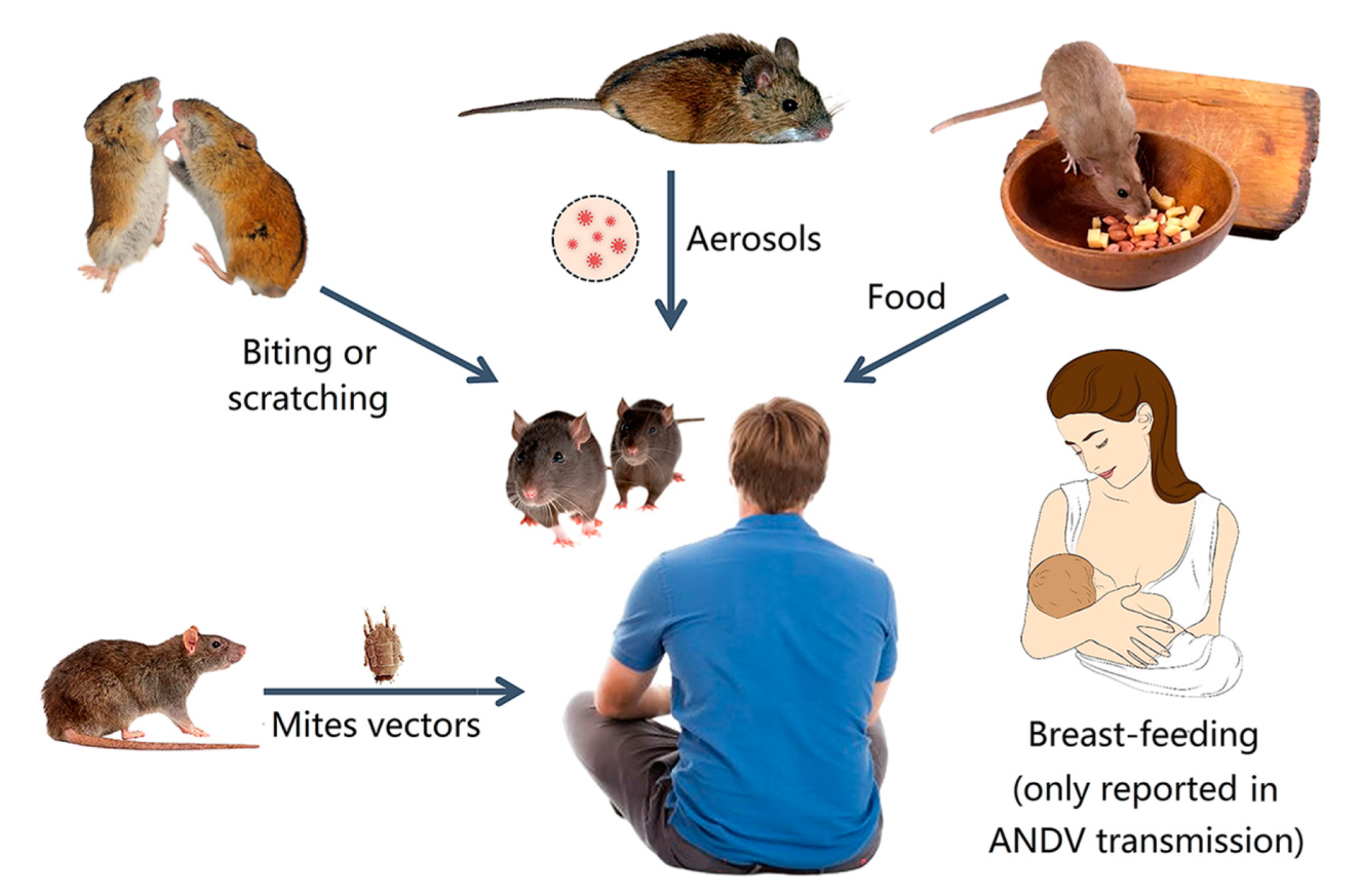
Hantavirus is not like the common flu that dances through a primary school classroom. It is a heavy, biological weight. Typically transmitted through contact with the secretions of infected rodents, it is an intruder that attacks the lungs or the kidneys with a brutal, single-minded focus.
When the virus enters the human system, the body’s reaction is often more violent than the pathogen itself. The immune system, sensing a foreign invader of terrifying proportions, may overreact. Capillaries begin to leak. The very fluids meant to keep you alive start to flood the spaces where oxygen should be.
For the two Indian crew members, the symptoms would have started as a cruel mimicry of exhaustion. A backache that wouldn't quit. A fever that felt like a low fire. On a ship, you push through. You work the long shifts because that is the unspoken contract of the sea. But Hantavirus doesn't care about work ethics. It demands a total surrender of the body.
The Logistics of Mercy
The decision to evacuate someone from a moving vessel is never made lightly. It is a choreographed dance of high-stakes diplomacy and mechanical precision. As the ship approached the coast of the Netherlands, the calculations began. You cannot simply pull into a crowded port with a suspected viral outbreak; the red tape is thicker than the ship’s anchor chain.
The Dutch authorities, known for their pragmatic approach to maritime crises, stepped in. This wasn't just a medical emergency; it was a test of international protocol. The two sailors were not just statistics in a news crawl. They were sons, perhaps fathers, whose lives depended on the speed of a helicopter blade and the readiness of a specialized isolation ward in a Dutch hospital.
Consider the sensory experience of that transition. One moment, you are in the humming, clinical interior of a ship’s infirmary. The next, you are being hoisted or moved into the biting, salt-sprayed air of the North Sea. The wind at that latitude is a physical force, a cold hand that strips the heat from your skin in seconds.
When the Wilderness Boarded
We often think of cruise ships as sterile environments, scrubbed clean by an army of staff every hour. We assume the ocean is a barrier between us and the raw, unkempt realities of nature. But the sea is an interconnected web.
How does a "wilderness" virus find its way onto a steel behemoth? It might have been a shipment of dry goods from a port where the local rodent population carried the strain. It might have been a hitchhiker in a crate of linens. It is a humbling reminder that no matter how much we automate our lives, we are still biological entities living in a world of microscopic opportunists.
The presence of Hantavirus on a cruise ship is an anomaly, a glitch in the matrix of global tourism. While the risk to the average passenger remained statistically low, the psychological impact was a different story. The "hot zone" wasn't a forest in the Southwest United States; it was Deck 4, or the galley, or the crew quarters.
The Isolation of the Stranger
There is a specific kind of loneliness that comes with being sick in a country where you don't speak the primary language. The two crew members were moved from the ship to the Netherlands—a land of dikes, tulips, and some of the most advanced medical tech on the planet. But for them, it was likely a blur of fluorescent lights and masked faces speaking in muffled, urgent tones.
Dutch medical teams are trained for this. They understand the "invisible stakes." If Hantavirus is caught early, the supportive care—oxygen, hydration, monitoring of kidney function—can tilt the scales back toward life. But the window is narrow.
The news cycle moved on quickly. Two Indians evacuated. A headline in The Hindu. A brief mention in a maritime blog. But for those two individuals, the world had narrowed down to the diameter of an IV line. They were the human cost of a globalized world where we move goods and people faster than we can track the hitchhiking pathogens that follow them.
The Architecture of Response
The Netherlands didn't just provide a bed; they provided a fortress of their own. Bio-containment units are masterpieces of engineering. Negative pressure rooms ensure that not a single breath of air leaves the chamber without being scrubbed. This is the frontline of modern defense—not against missiles, but against the five-micron enemies that threaten to upend our sense of security.
As the sailors began their treatment, the ship they left behind continued its journey. That is the haunting reality of the sea. The vessel moves on. The buffet remains open. The band plays in the lounge. But in a quiet wing of a hospital in the Low Countries, two people fought a battle that most of the passengers didn't even know was happening.
We live in an age where we believe we have conquered the elements. We have GPS to tell us where we are, stabilizers to keep us from feeling the waves, and air conditioning to keep the humidity at bay. Yet, a few particles of viral RNA can bring a multi-billion dollar industry to a momentary, shuddering halt.
The North Sea remained indifferent. Its grey waves continued to slap against the Dutch coastline, oblivious to the drama of the evacuation. The two men were finally on solid ground, but the ground felt alien. Their recovery would be slow, a grueling climb back from the brink of respiratory failure.
There is a lesson in the silence of the Dutch wards. We are never as isolated as we think. The crew member from a village in India and the luxury traveler from London are breathing the same recirculated air, protected by the same thin skin of steel, and vulnerable to the same ancient threats that have followed humanity since we first crawled out of the caves.
The rescue wasn't just a feat of medicine; it was an act of recognition. It was an acknowledgment that even in the vast, impersonal machine of global commerce, the life of a single sailor is worth the fuel of a helicopter and the mobilization of a nation's highest medical guard.
The ship disappeared over the horizon, a twinkling star on the dark water, leaving two of its own behind to find their way back from the edge of the world.