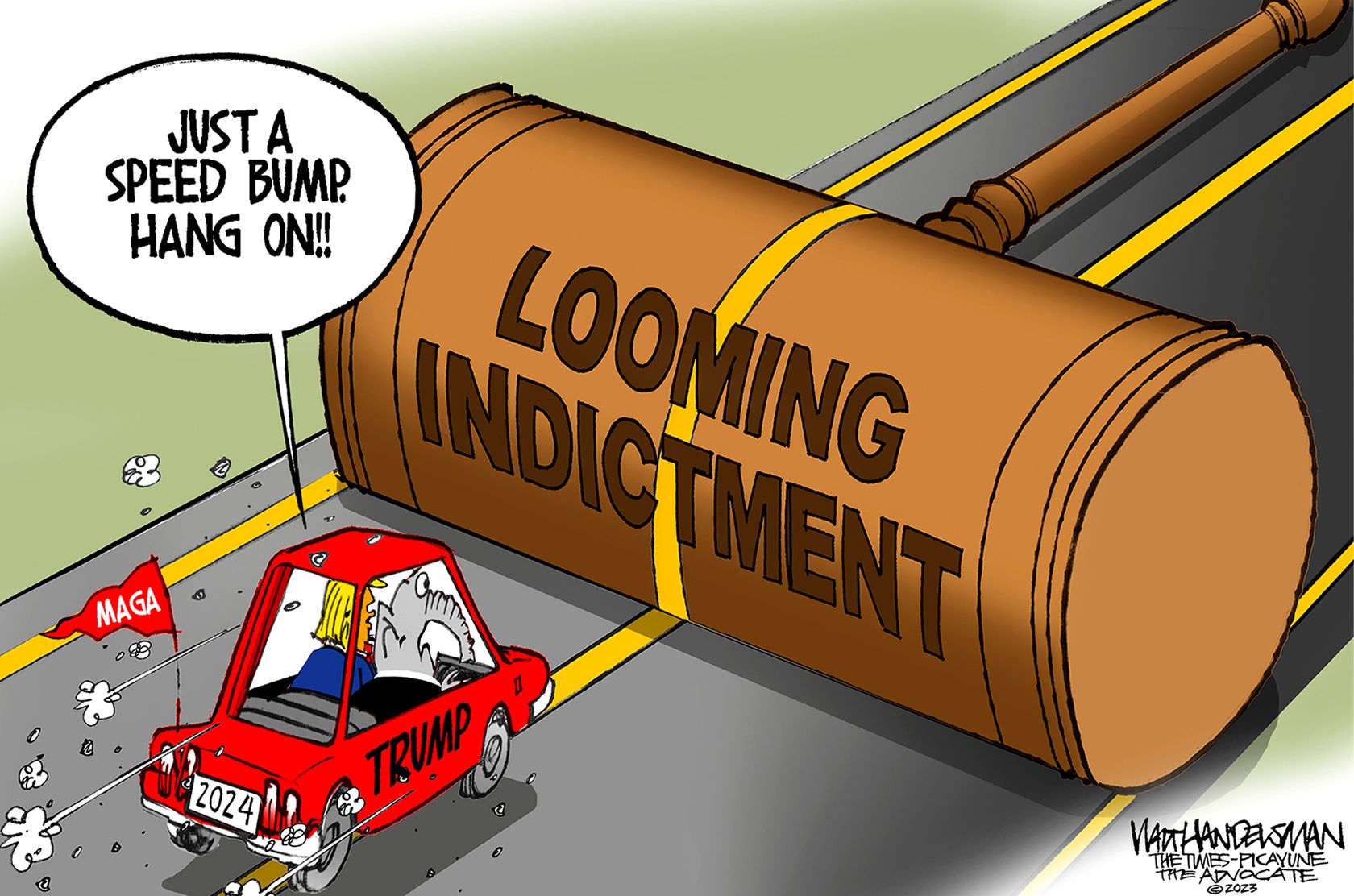
The United States is preparing to indict 94-year-old Raúl Castro, the former president of Cuba and younger brother of Fidel Castro. A Department of Justice official confirmed that an indictment sounds imminent, though it still requires formal approval from a federal grand jury.
If you think this is just a symbolic move against a retired dictator, you're missing the bigger picture. This decision isn't happening in a vacuum. It follows a dramatic shift in Washington's foreign policy strategy in the Western Hemisphere, coming just months after the U.S. military extracted Venezuelan leader Nicolás Maduro from power under the guise of a law enforcement operation.
The impending legal action against Castro represents a calculated escalation. The U.S. Attorney's Office for the Southern District of Florida is building a case that dates back thirty years, and the ramifications will reshape U.S.-Cuba relations for a generation.
The 1996 Brothers to the Rescue Shootdown
The core of the Department of Justice's criminal case hinges on an event from February 24, 1996. On that day, Cuban military MiG fighter jets shot down two unarmed, civilian Cessna aircraft over international waters in the Florida Straits.
The planes were operated by Brothers to the Rescue, a Miami-based humanitarian group that flew search-and-rescue missions for Cuban migrants fleeing the island on rafts. The attack killed four people: Carlos Costa, Armando Alejandre Jr., Mario de la Peña, and Pablo Morales. Three were American citizens, and one was a permanent U.S. resident.
While the International Civil Aviation Organization confirmed that the civilian planes were outside Cuban airspace and completely unarmed, the senior leadership of the Cuban regime never faced formal criminal charges in a U.S. court. At the time of the shootdown, Raúl Castro served as Cuba's Defense Minister, directly overseeing the armed forces that executed the attack.
Florida lawmakers like Representatives María Elvira Salazar and Carlos Giménez have spent years pushing the executive branch to revisit the evidence. The argument is simple: command responsibility. The decision to use lethal military force against civilian aircraft could not have occurred without direct authorization from the highest levels of the Cuban government.
The Broader Campaign Against Havana
Washington's sudden legal urgency aligns with an intense economic and political squeeze on Havana. The Trump administration has implemented a strict fuel blockade, threatening heavy sanctions against any country or shipping entity that exports oil to the island.
The strategy has crippled Cuba's infrastructure. Daily life on the island is currently defined by rolling power outages, food shortages, and a collapsing economy.
Earlier this year, officials from both nations held quiet discussions to negotiate terms, but those talks fell apart as the U.S. refused to ease the fuel restrictions. Instead, the administration doubled down. President Trump recently stated at a dinner in Palm Beach that the U.S. would be "taking over" the island soon, explicitly warning that Cuba was "next" following the January operations in Venezuela.
While a legal indictment from the Southern District of Florida deals with a criminal violation, the White House is treating it as a geopolitical lever. The administration wants a total regime change in Havana, and they are using the American legal system to strip away any remaining political legitimacy the Castro family holds.
A High-Stakes Message Delivered in Secret
Hours before news of the imminent indictment broke, CIA Director John Ratcliffe led a delegation to Havana for a high-stakes, unannounced meeting with Cuban intelligence officials.
Ratcliffe didn't just meet with bureaucrats; he targeted Raúl Guillermo Rodríguez Castro, known widely as "Raulito." He is Raúl Castro's grandson, a top security official, and the primary gatekeeper for the aging revolutionary leader.
According to a CIA official, Ratcliffe delivered an explicit ultimatum from the White House. The United States is willing to discuss economic security and ease the crippling blockade, but only if Cuba implements "fundamental changes" and stops serving as a safe haven for foreign adversaries like Russia and China.
The timing of this meeting tells you everything you need to know about how Washington views the legal system. The threat of an imminent federal indictment against the family patriarch is being used as a blunt instrument to force the Cuban regime to the negotiating table—or face total collapse.
What Happens Next
Do not expect Raúl Castro to ever sit in a federal courtroom in Miami. He is 94 years old and insulated by a loyal, albeit desperate, state security apparatus. Cuba does not extradite its leaders, and the regime has already condemned the recent wave of U.S. sanctions as "unilateral coercive measures" designed to inflict collective punishment.
However, the indictment carries severe practical consequences that you should watch for immediately:
- International Arrest Warrants: A formal grand jury indictment allows the DOJ to pursue Interpol Red Notices. This will effectively trap senior Cuban officials within their own borders, preventing them from traveling to any nation with a U.S. extradition treaty.
- Justification for Harder Actions: By classifying the 1996 shootdown as an act of murder subject to U.S. criminal law, the administration creates a domestic legal justification for potential direct action, mirroring the language used before the military raid in Venezuela.
- Targeting the Next Generation: By focusing on the family line through "Raulito," the U.S. is signaling that the transition of power within the Cuban Communist Party will not be recognized or tolerated by Washington.
The era of diplomatic normalization that characterized the mid-2010s is completely dead. Washington is treating Cuba not as a sovereign diplomatic adversary, but as a criminal enterprise. If the grand jury approves the indictment in the coming days, any hope of a compromise disappears, and the blockade will likely tighten until something breaks in Havana.