The narrative is seductively simple. Iran and Israel trade blows, the Strait of Hormuz tightens like a noose, oil prices spike, and Malaysia—the regional energy darling—suddenly "sees the light" and sprints toward renewables. It makes for a great headline. It is also a complete fantasy.
If you believe Malaysia is pivoting to green energy because of supply chain shocks in the Middle East, you are ignoring the brutal math of the Southeast Asian power grid. This isn't a race to go green. It is a desperate, messy scramble to maintain industrial relevance while sitting on top of aging infrastructure and a fiscal policy that is addicted to the very fossil fuels it claims to be outrunning.
The "lazy consensus" suggests that high oil prices are the catalyst for the energy transition. They aren't. For a net exporter like Malaysia, high oil prices are a windfall that actually removes the immediate financial pressure to innovate. When Petronas fills the state coffers, the urgency to overhaul the national grid evaporates. We are witnessing a performance, not a pivot.
The Myth of the Resource Curse Flip
Most analysts treat the energy transition as a moral choice or a simple technological upgrade. It is neither. It is a high-stakes capital allocation game.
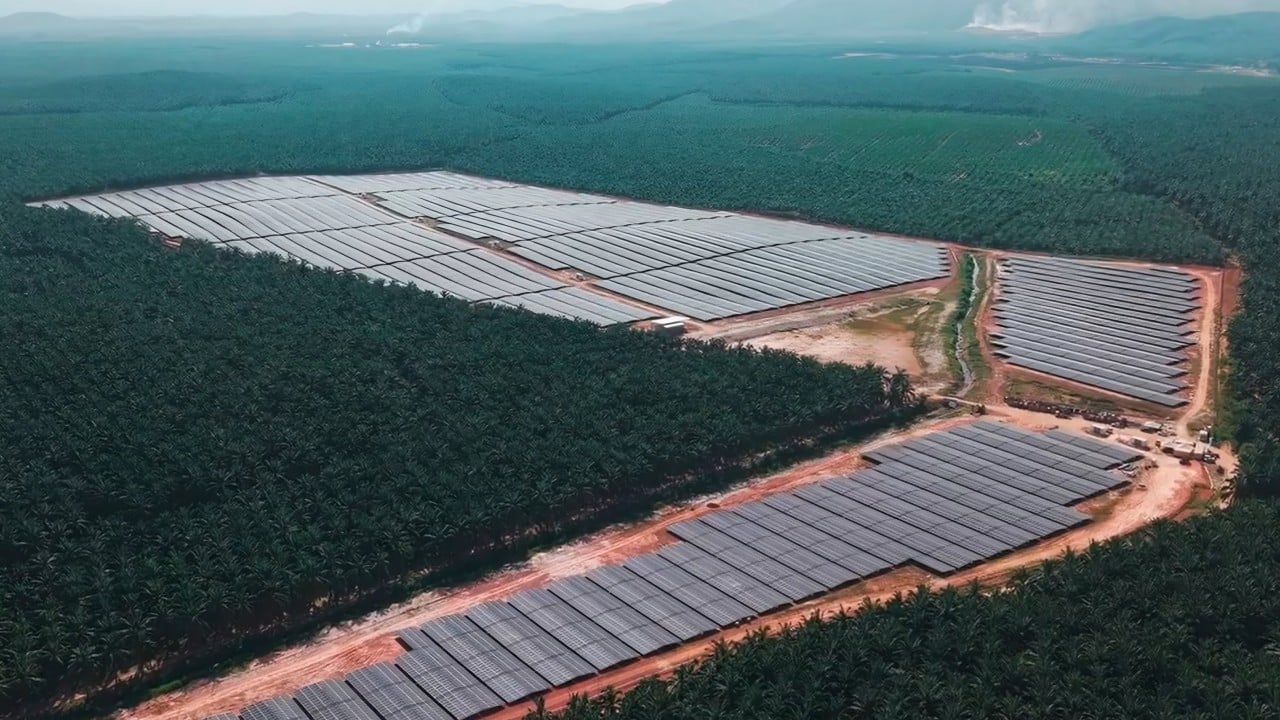
Malaysia currently relies on fossil fuels for roughly 75% to 80% of its electricity generation. The target of reaching 70% renewable energy capacity by 2050 sounds ambitious until you look at the delta between "capacity" and "generation." You can build all the solar farms you want in Kedah, but if the sun doesn't shine at 8:00 PM when the industrial parks in Selangor are humming, you are still burning gas.
The competitor's view suggests that the Iran-Israel conflict "squeezes" supply, forcing a shift. This ignores the reality of the Malaysian Energy Commission's own planning. Malaysia doesn't run on Iranian crude. It runs on its own gas and coal imports from Indonesia and Australia. A squeeze in the Middle East actually makes Malaysian exports more valuable, giving the government more reason to keep the drills spinning.
I’ve watched GLCs (Government-Linked Companies) burn through nine-figure budgets on "sustainability roadmaps" that are essentially PDF files designed to appease ESG investors in London and New York. While the marketing departments talk about hydrogen, the procurement departments are signing 20-year Liquefied Natural Gas (LNG) contracts.
Intermittency is the Ghost in the Machine
The biggest lie in the green energy space is that solar and wind are ready to take over the heavy lifting. They aren't.
In a tropical climate like Malaysia’s, solar capacity factors are notoriously low—often hovering around 15% to 18%. To replace a single 1,000 MW coal plant, you don't just need 1,000 MW of solar. You need 5,000 MW of solar plus a massive, prohibitively expensive battery energy storage system (BESS) that doesn't yet exist at scale in the region.
People also ask: "Can Malaysia become the regional hub for green energy?"
The honest answer? Not without a complete dismantling of the current tariff structure.
The Malaysian government spends billions on fuel subsidies. These subsidies act as a massive "anti-tax" on carbon. When you keep the price of fossil-fuel-derived power artificially low, you make the ROI on renewable projects look like a joke. You can't have a "green race" while you’re still subsidizing the petrol in the competitor’s tank.
The Data Center Paradox
Here is the nuance the mainstream media missed: Malaysia is currently experiencing a data center gold rush.
Johor is becoming the data center capital of Southeast Asia because Singapore hit a moratorium on power-hungry facilities. These data centers—operated by the likes of Nvidia, Microsoft, and Amazon—require "five nines" (99.999%) reliability. They cannot run on the intermittent whims of a solar-heavy grid.
To power the AI revolution, Malaysia is actually being forced to expand its gas-fired generation. We are building the infrastructure of the future using the fuel of the past. The "green" label is often just a thin veneer—buying Renewable Energy Certificates (RECs) to offset the fact that the servers are actually sucking juice from a gas turbine in Pengerang.
The Infrastructure Trap
The national utility, Tenaga Nasional Berhad (TNB), faces a Herculean task. The grid was designed for a centralized, top-down flow of power. To integrate decentralized renewables, the grid needs a $5 billion to $10 billion upgrade.
Where does that money come from?
- Raising electricity tariffs (political suicide).
- More government debt (fiscal suicide).
- Diverting funds from Petronas (economic suicide).
Every "green" announcement is a distraction from this trilemma. The industry is not "racing" toward a solution; it is jogging in place while the ground shifts beneath it.
The Counter-Intuitive Truth
If Malaysia truly wanted to "go green" in response to global oil instability, it wouldn't be building more solar panels. It would be doing two things that are currently taboo:
- Dismantling the Subsidy Regime: Until the true cost of carbon is reflected in the monthly bill of a factory in Shah Alam, renewables will remain a hobby for the elite.
- Nuclear Re-evaluation: If you want carbon-free baseload power that can support a high-tech manufacturing economy, you talk about Small Modular Reactors (SMRs). But "nuclear" is a dirty word in local politics, so we pretend that solar will somehow power a semiconductor fab at midnight.
I have seen private equity firms dump millions into Malaysian biomass and solar projects only to realize that the regulatory bottleneck is a brick wall. The "NETR" (National Energy Transition Roadmap) is a brilliant piece of technical writing, but it lacks the one thing required for a real transition: the courage to let the price of fossil fuels rise.
Why the "Oil Squeeze" Narrative is Dangerous
By framing the green transition as a reaction to the Iran war, we create a false sense of security. If the conflict de-escalates and oil prices drop to $65 a barrel, does the "race" end? If your green strategy is dependent on the price of Brent, you don't have a strategy—you have a hedge.
The real threat isn't the supply chain in the Middle East. The real threat is the technical obsolescence of the Malaysian grid in a world that demands 24/7 green power for the AI and EV supply chains. We are losing the race because we are lying to ourselves about the starting line.
Stop asking if Malaysia can replace oil with solar. Start asking why the grid is still structured like it’s 1994. The transition won't be won by the person with the most solar panels; it will be won by the nation that has the balls to price energy at its true value.
Until then, every "green" headline is just a press release written in the dark.