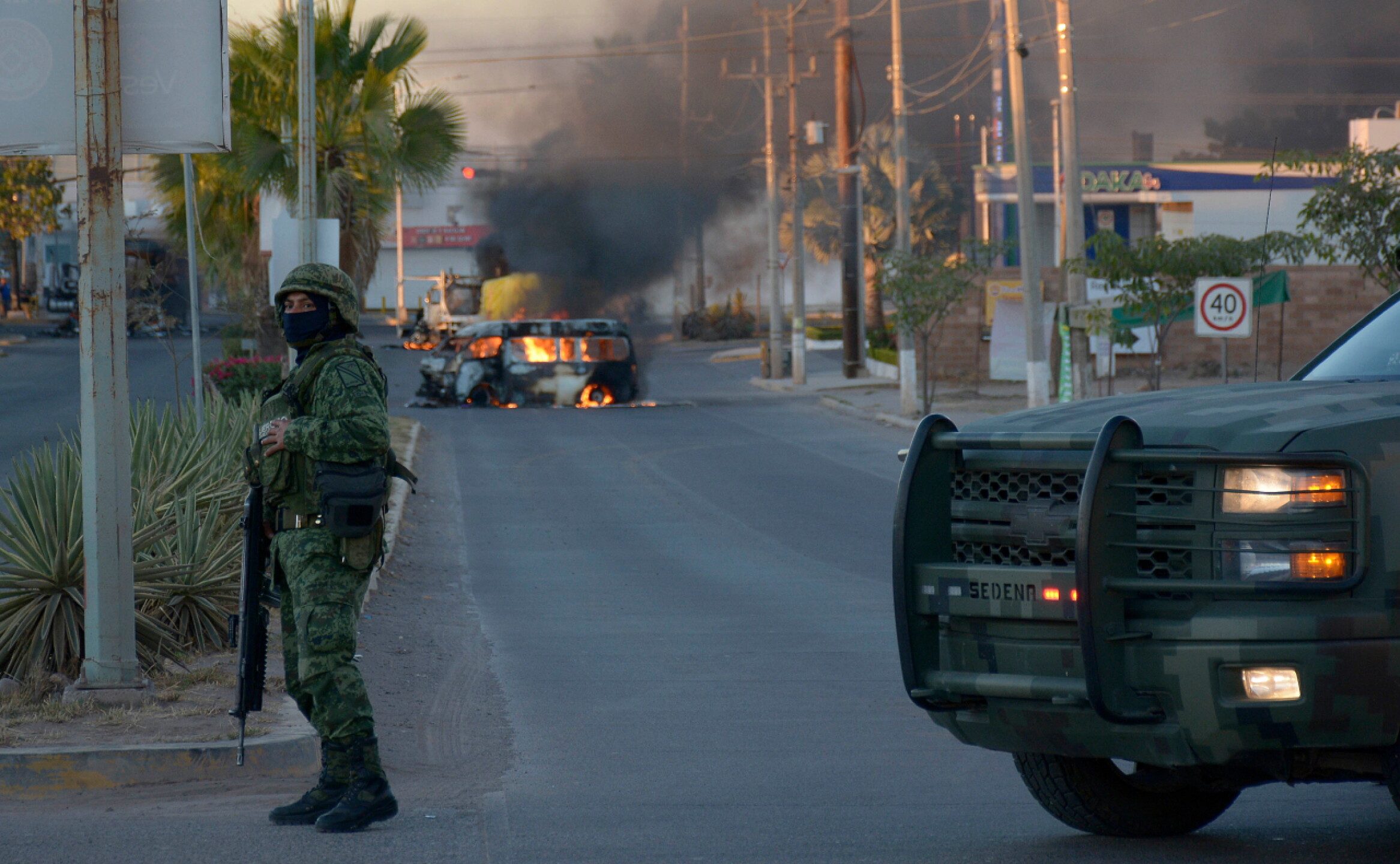
Mali’s military government is currently facing a nightmare scenario that every junta fears. It isn't just the rebels at the gates anymore. It’s the guys holding the rifles inside the barracks. The Malian military recently launched a massive internal probe into soldiers suspected of collaborating with the very insurgents they’re supposed to be fighting. This isn't just some routine HR audit. It’s a high-stakes purge in a country where the line between "patriot" and "rebel" has become dangerously blurred.
If you’ve been following the Sahel, you know the vibe is chaotic. But this specific crackdown on internal dissent and suspected treason marks a shift. The authorities in Bamako are signaling that they don’t trust their own shadows. When soldiers start trading intelligence for cash or safety, the entire state structure begins to wobble. We’re seeing a desperate attempt to plug the leaks before the whole ship goes down. Meanwhile, you can find related events here: Brazilian Labor Market Structural Shifts and the 6.1 Percent Unemployment Threshold.
The Reality of the Malian Military Internal Probe
The transition government isn't being subtle about this. They’ve picked up several high-ranking and mid-level personnel. The charge? Providing tactical information to armed groups—specifically those operating in the northern and central regions where the fighting is most intense.
This shouldn't come as a total shock to anyone who understands the economics of war in West Africa. Mali has been fighting a multi-front battle against groups linked to Al-Qaeda and the Islamic State for over a decade. Since the 2020 and 2021 coups, the military has taken the lead, promising to restore order where civilians failed. But promising security is a lot easier than delivering it when your supply lines are thin and your troops are exhausted. To understand the bigger picture, check out the detailed article by The Washington Post.
When a soldier hasn't been paid on time or sees their unit getting wiped out because of poor leadership, the offer of "protection" or a payoff from a rebel group starts to look like a survival strategy. It’s ugly, but it’s the truth of the ground war. Bamako’s response is to crack the whip. They want to make an example out of anyone caught looking the other way.
Why Soldiers Turn Against the State
I’ve seen this pattern before in failing states. It’s rarely about ideology. Most of these guys aren't suddenly becoming religious extremists or separatist zealots. It’s usually about two things: money and fear.
The rebels in the north, particularly the CSP-DPA (Permanent Strategic Framework for the Defense of the People of Azawad), have deep roots in the local communities. Many soldiers come from these same areas. They have cousins, brothers, and childhood friends on the other side of the fence. When a rebel commander calls a soldier and says, "Tell us when the convoy is leaving and we’ll make sure your family stays safe," that soldier is in an impossible spot.
Then there’s the Wagner Group factor. Mali’s heavy reliance on Russian mercenaries has changed the dynamic on the battlefield. While Wagner brings firepower, they also bring a level of brutality that often alienates the local population. If Malian soldiers feel like they’re being used as cannon fodder for a foreign mercenary group’s tactical gains, their loyalty to the central command in Bamako starts to erode.
The current probe is trying to identify these "weak links." But the problem with a purge is that it often breeds more paranoia. If every officer is looking over their shoulder wondering if their deputy is an informant, nobody is focusing on the actual enemy. It’s a recipe for operational paralysis.
The Intelligence Breach at Tinzaouaten
You can't talk about this probe without mentioning the disaster at Tinzaouaten. Back in July, the Malian army and their Wagner partners took a massive hit near the Algerian border. It was a bloodbath. Dozens of fighters were killed or captured in a rebel ambush during a sandstorm.
The scale of that defeat suggested one thing to the leadership in Bamako: somebody talked.
An ambush that precise doesn't happen by accident. The rebels knew exactly where the convoy would be and when it would be most vulnerable. Since that defeat, the hunt for "the mole" has intensified. The government needs a scapegoat, but they also genuinely need to know how the rebels got so lucky.
The military justice system in Mali is now working overtime. We’re seeing reports of arrests not just in the north, but within the administrative hubs of the military. They’re looking at communications, bank accounts, and even social media activity. It’s a dragnet designed to terrify the ranks into submission.
What This Means for Regional Stability
Mali’s neighbors are watching this with a mix of dread and "I told you so." The departure of French forces and the UN’s MINUSMA mission left a massive vacuum. The junta claimed they could fill it. This internal probe is a tacit admission that they’re struggling to keep their own house in order.
If the Malian army can't trust its own soldiers, the Alliance of Sahel States (AES)—which includes Niger and Burkina Faso—is on shaky ground. These three countries have hitched their wagons together, promising mutual defense. But a mutual defense pact is worthless if the armies involved are riddled with informants.
The rebels know this. They aren't just fighting a physical war; they’re fighting an information war. By flipping soldiers, they gain more than just intel—they gain a psychological edge. They make the state look weak and incompetent.
The Risks of a Military Purge
History shows that purging an army in the middle of a war is a massive gamble. Sure, you might catch a few spies. But you also risk getting rid of competent officers who were simply critical of the leadership. In a junta-led government, "collaboration with the enemy" is often a convenient label for "disagreement with the Colonel."
If the probe turns into a witch hunt, it’ll hollow out the military’s leadership. You end up with a force led by "yes-men" who are too afraid to report bad news or suggest better tactics. That’s how you lose a war.
Bamako is also dealing with the optics. They want to look strong. They want the public to believe they’re "cleaning up" the corruption of the past. But every time they announce a new investigation into treason, they’re reminding the public that the insurgency has reached into the heart of the state. It’s a fine line to walk.
Practical Realities of the Sahel Conflict
The conflict in Mali isn't going away anytime soon. The geography alone makes it nearly impossible to secure every inch of territory. We’re talking about vast stretches of desert where the state has never had a real presence.
To actually fix the "soldier-turned-rebel" problem, the government needs to do more than just arrest people. They need to address the core issues:
- Reliable pay and benefits for frontline troops.
- Better integration of local militias into the formal command structure.
- Reducing the dependency on foreign mercenaries who don't share the national interest.
- Meaningful political dialogue with groups that can be brought back into the fold.
Arresting a few guys for talking to the CSP-DPA might stop a specific leak today, but it won't stop the next one tomorrow if the underlying reasons for betrayal remain.
Moving Forward in a Climate of Fear
If you’re tracking the security situation in Mali, watch the court martials. The way these "collaborators" are treated will tell you everything you need to know about the junta's confidence level. Secret trials and swift executions suggest a government in panic mode. Transparent proceedings—though unlikely—would suggest a state that feels it has the upper hand.
For now, expect the military to tighten its grip on internal communications. Expect more "disappearances" of personnel who aren't seen as sufficiently loyal. The war in Mali has moved into a new, more paranoid phase. The front line is no longer just a line on a map in the desert; it’s the guy standing next to you in the trench.
Pay attention to the casualty reports in the coming months. If the ambushes continue despite the arrests, the problem is much deeper than a few "bad apples." It means the system itself is failing to provide a reason for its soldiers to stay loyal. Watch the border regions for shifts in rebel movement; that's where the real impact of these intelligence breaches will show up first. Keep an eye on Bamako's rhetoric regarding "foreign interference"—it’s usually the smokescreen used when internal problems get too big to hide.