In the glass-walled corridors of Apple Park, the air feels different than it did twenty years ago. The frantic, jagged energy of the early 2000s—the era of black turtlenecks and "one more thing"—has matured into something smoother. Polished. Some might even say predictable. But beneath that calm surface, a quiet tectonic shift is occurring. It isn’t happening with a roar. It’s happening through a man who looks exactly like the products he builds: clean, efficient, and remarkably steady.
His name is John Ternus.
Most people wouldn't recognize him at a grocery store. Unlike the celebrity CEOs who dominate our social feeds with cage-match challenges or space-race bravado, Ternus exists in the spaces between the headlines. He is the Senior Vice President of Hardware Engineering. In layman’s terms, if you can touch it and it has an Apple logo, Ternus likely had a hand in its soul. Now, as the whisper network inside Cupertino grows louder, he is emerging as the most likely successor to Tim Cook.
The stakes are higher than a stock price. When a company becomes a trillion-dollar cultural bedrock, its leadership transition is less of a corporate promotion and more of a royal succession. We are talking about the person who will decide what the next decade of human interaction looks like.
The Architect in the Shadows
John Ternus joined Apple in 2001. To put that in perspective, that was the year the first iPod launched. He didn't arrive as a titan; he arrived as a worker in the product design team. He spent twenty years climbing a ladder that was missing several rungs, proving himself through the sheer reliability of his output.
Think of the M1 chip transition. For years, Apple was tethered to Intel. It was a marriage of convenience that had turned sour, limiting how thin, fast, and cool a Mac could actually be. Ternus was the face of the team that performed the digital equivalent of an organ transplant while the patient was running a marathon. They ripped out the Intel processors and dropped in Apple’s own silicon. The result was a leap in performance so jarring it made every other laptop on the market look like a relic of the steam age.
Ternus didn't celebrate with a pyrotechnic display. He just explained the thermal dynamics.
He is often described as a "trusted hand." In the high-stakes environment of hardware, where a single millimeter of miscalculation can result in a "bend-gate" or a "butterfly keyboard" disaster, Ternus represents the end of the experimental chaos. He is the guardian of the "it just works" philosophy.
The Personality of a Successor
Tim Cook was the operational genius who turned Steve Jobs’s visions into a global logistics machine. He was the spreadsheet king. But Ternus represents a return to the product. He is a "product guy" through and through.
Inside Apple, there is a specific type of person often referred to as an "Apple Person." This isn't just about wearing a blue shirt. It’s a personality profile: meticulous, understated, and intensely focused on the intersection of aesthetics and utility.
Consider a hypothetical designer at a competing firm. They might ask, "How can we make this phone look cool?"
Ternus asks, "How can we make this hinge feel like it was carved from a single piece of physics?"
He is well-liked. That might sound like a minor detail in the cutthroat world of Big Tech, but at Apple, it’s a radical departure. The Jobs era was defined by "creative friction"—a polite way of saying people were terrified. The Cook era has been defined by "operational excellence." A Ternus era would likely be defined by "collaborative precision."
He is younger than the rest of the executive team. At 49, he offers a longer runway than other potential candidates like Jeff Williams. He speaks the language of the younger engineers. He doesn't just manage the hardware; he understands the magnetism of the object itself.
The Invisible Weight of the Crown
The transition from Tim Cook to John Ternus won't happen tomorrow. Cook has shown no signs of slowing down, and the company is currently navigating the treacherous waters of the Vision Pro and the shifting tides of Artificial Intelligence.
But the question remains: Can a "nice guy" maintain the reality distortion field?
Apple’s greatest strength has always been its ability to convince us that we need something we didn’t know existed. Steve Jobs did this through charisma and a touch of madness. Tim Cook did this through sheer ubiquity and ecosystem locking. Ternus will have to do it through the products themselves. He is betting on the idea that if the hardware is perfect, the narrative will take care of itself.
There is a risk in this. When a company becomes too polished, it can become sterile. If Ternus is too much of a "safe pair of hands," does Apple lose the spark of rebellion that made it the underdog hero of the 80s and 90s?
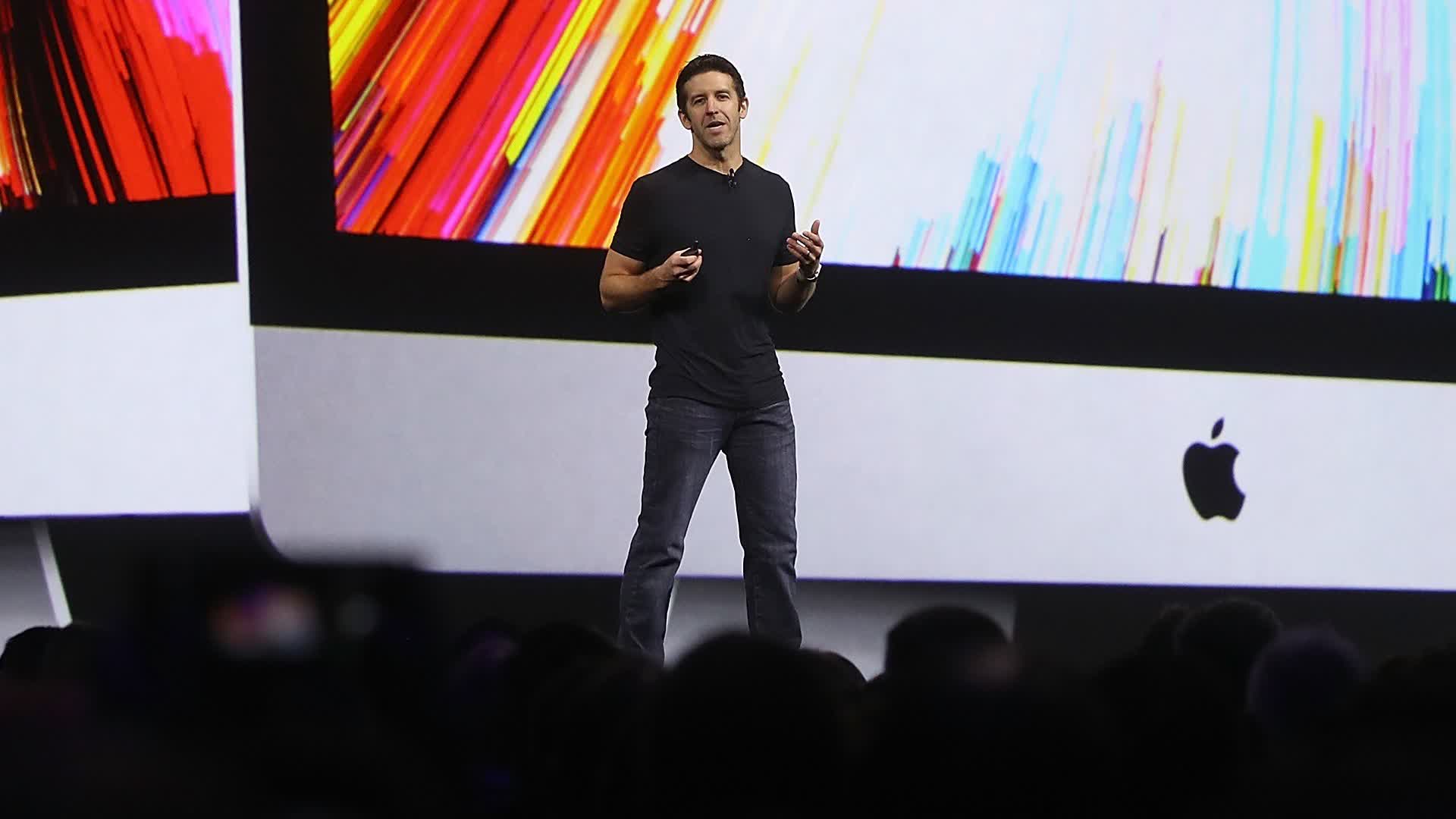
The industry is watching his every move. When he stands on the stage at the Steve Jobs Theater, he isn't just announcing an iPad with a thinner OLED screen. He is auditioning. He is showing the world that he can carry the weight of a legacy that includes the iMac, the iPhone, and the very concept of the modern computer.
The Shift from Visionary to Refiner
We often mistake "innovation" for "invention." We think the person who creates something brand new is the only one who matters. But in the mature stage of a technology cycle, the refiner is the one who changes the world.
Ternus is the ultimate refiner.
He didn't invent the mouse. He just made sure the trackpad felt more responsive than a physical button. He didn't invent the laptop. He just oversaw the removal of every moving part until the machine felt like a solid block of intelligence.
This is the hidden cost of being Apple’s next CEO. You aren't expected to be the next Steve Jobs. You are expected to be the person who ensures Steve Jobs’s ghost isn't disappointed. You have to be the one who says "no" to a thousand good ideas so that the one great idea can breathe.
Imagine a room filled with the world’s most talented engineers, all of them arguing about the placement of a sensor. The air is thick with ego and data. In the middle of it sits Ternus. He isn't shouting. He isn't throwing ceramic mugs against the wall. He is listening. And then, with a quiet, terrifying clarity, he makes a decision that will affect the daily habits of three billion people.
That is the power he is inheriting.
The Human Element of the Machine
Why does this matter to you, the person holding a glass rectangle in a coffee shop or on a train?
Because the leader of Apple dictates the ergonomics of our lives. They decide if we will wear computers on our faces or if our phones will eventually disappear into our clothing. They decide how much privacy we are afforded by default.
If John Ternus takes the helm, he brings a background in mechanical engineering. He brings an obsession with how things fit together. This suggests an Apple that will double down on the physical experience—the haptics, the weight, the tactile "click" of a world that is becoming increasingly digital and ephemeral.
He is the bridge between the old guard and the new world. He was there for the struggle, and he is here for the triumph.
But being the heir apparent is a dangerous position. History is littered with "next in lines" who never quite made it to the throne. The tech world moves fast. A sudden breakthrough in AI from a competitor or a shift in global trade could change the requirements of the job overnight.
For now, Ternus remains the quiet architect. He continues to refine. He continues to oversee the hardware that defines our era, his fingerprints invisible on the very glass we touch every hour of every day.
The most powerful man in tech might be the one you’ve never heard of. He is the man who understands that in a world of loud, vibrating distractions, the most impressive thing you can build is something that works so well, you forget it’s even there.
The future of Apple doesn't look like a revolution. It looks like a perfectly machined screw, turning so smoothly that you don't even feel the movement.