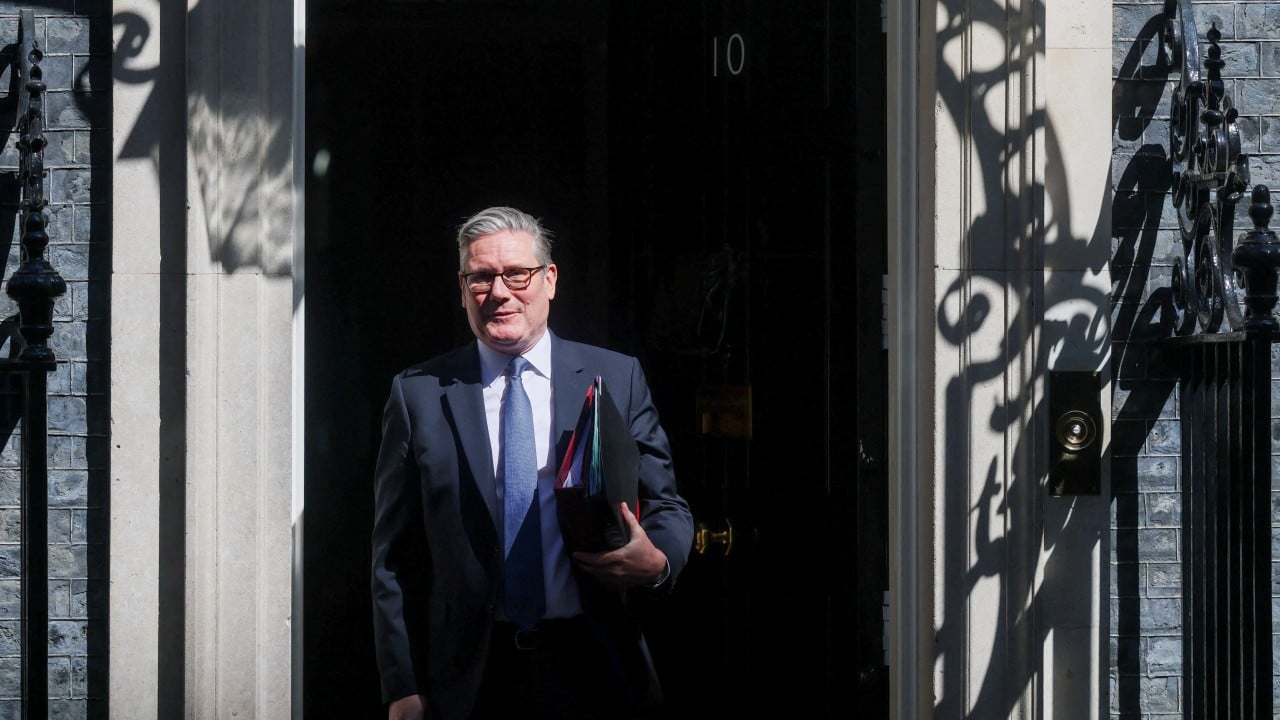
Keir Starmer is digging in his heels. Despite a week of bruising headlines and a civil service in open revolt, the Prime Minister told the House of Commons today that he has no intention of resigning. He claims the allegations of dishonesty surrounding the Peter Mandelson appointment have been "put to bed." Honestly, that's a bold take for a leader whose authority is visibly fraying at the edges.
The core of the issue isn't just a bad hire. It's about whether the Prime Minister misled Parliament when he previously claimed that "all due process" was followed. If you've been following this saga, you know the stakes couldn't be higher. In British politics, misleading the House is the ultimate sin. It's the one thing you don't get to walk back.
The Secret Vetting Failure
Last week, a bombshell report from The Guardian revealed that Mandelson actually failed his security checks. This wasn't just a minor paperwork snag. The UK Security Vetting (UKSV) team recommended that Mandelson be denied "Developed Vetting" (DV) clearance—the highest level of security clearance in the UK.
Despite this, the Foreign Office overruled the experts and pushed the appointment through anyway in early 2025. Mandelson was sent to Washington as the UK’s man in America, a role that involves handling some of the most sensitive intelligence on the planet.
Starmer's defense is basically a shrug. He says he didn't know. He claims his top civil servants, specifically the recently fired Olly Robbins, never told him that the vetting had come back negative. During a tense 2.5-hour session in Parliament, Starmer insisted that he would never have allowed the appointment to proceed if he’d been briefed on the failed check.
But here is the problem: his office reportedly put "constant pressure" on officials to get the deal done. Olly Robbins, giving evidence to a parliamentary committee, described the atmosphere in Number 10 as "dismissive" toward the vetting process. It wasn't just a request to move quickly; it was an order to "get it done."
Why Peter Mandelson was a Walking Red Flag
You'd think a Prime Minister would be a bit more curious about a candidate like Peter Mandelson. This isn't exactly a man with a clean record. Known as the "Prince of Darkness" during the Blair years, Mandelson had already resigned from the cabinet twice due to separate scandals involving money and ethics.
The "due diligence" report that Starmer did see before the appointment explicitly mentioned several risks:
- The Epstein Connection: Mandelson's friendship with Jeffrey Epstein was well-documented. US DOJ files released in early 2026 suggested Mandelson may have passed sensitive market information to Epstein back in 2009.
- Russian Interests: He remained on the board of Sistema, a Kremlin-linked company, long after the 2014 invasion of Ukraine.
- Chinese Business Ties: Deep and murky links that should have made any security official nervous.
Kemi Badenoch, the Conservative leader, didn't hold back. She asked the question everyone is thinking: Why did the Prime Minister want a man with links to the Kremlin to be our ambassador in Washington? Starmer’s answer—that he trusted the system—feels thin when the system was under his thumb.
A Government in Managed Decline
The fallout from this is doing real damage to the relationship between ministers and the civil service. By firing Olly Robbins, Starmer has effectively made the top diplomat the fall guy. But Robbins’ testimony suggests he was just trying to enact the Prime Minister's will in a high-pressure environment.
We're now in a "worst of both worlds" situation. We don't have the independent scrutiny of a professional civil service because they’re being bullied into political decisions. And we don't have ministerial accountability because the Prime Minister is blaming the people who work for him. It's messy, bureaucratic, and frankly, a bit embarrassing on the world stage.
What Happens Now
Starmer might have survived today’s session, but the pressure isn't going away. Labour is expected to take a beating in the local elections on May 7. If the results are as bad as predicted, this scandal becomes the perfect fuel for a leadership challenge.
Even some of his own peers, like Lord Maurice Glasman, are saying he can't continue as a credible leader. When your own party starts using the word "inconceivable" regarding your version of events, you're in deep trouble.
If you’re watching this from home, here is the reality:
- The Investigation is Ongoing: The police are still looking into Mandelson for misconduct in public office. If he's charged, the spotlight swings right back to the man who hired him.
- Watch the Local Elections: May 7 is the real deadline for Starmer's survival.
- The Paper Trail: More documents are due to be released once the police probe finishes. If a single email shows Starmer knew about the failed vetting, he’s finished.
The Prime Minister says this is over. The rest of Westminster knows it's only just beginning. Stop waiting for a "final" resolution—this is a slow-motion car crash that's going to define the rest of 2026. Keep an eye on the testimony from Morgan McSweeney next Tuesday; that’s where the next crack in the wall will likely appear.