You’ve probably seen the graffiti. Or maybe a social media post with a grainy photo of the Lorraine Motel. "Martin Luther King Jr. died for our sins." It’s a heavy sentence. It’s also one that makes a lot of people—from historians to theologians—pretty uncomfortable.
Honestly, the phrase isn't a historical fact. It’s a provocation. It’s a way of saying that the bullets in Memphis weren't just about one man, but about a collective American failure. But did he actually die for "sins" in the way we usually mean? Or is that just a catchy, religious-sounding way to talk about a political murder?
Martin Luther King Jr. Died for Our Sins: More Than Just a Slogan?
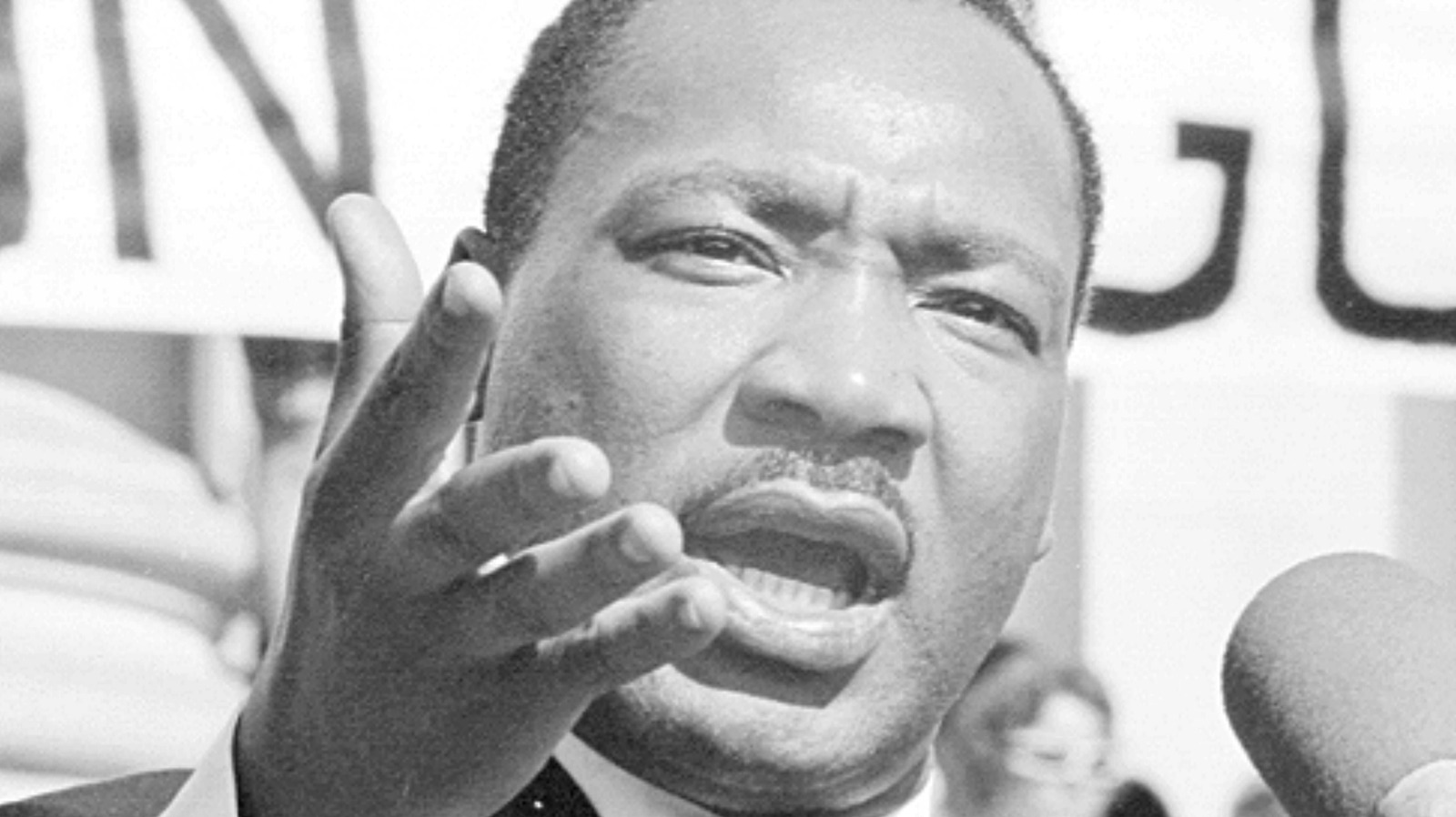
To understand why people say Martin Luther King Jr. died for our sins, you have to look at the Black Church. King wasn't just a "civil rights leader" in a suit. He was a preacher. He lived and breathed the language of sacrifice.
In the weeks leading up to April 4, 1968, King was basically acting like a man who knew he was walking toward his own execution. He talked about it constantly. In his final "Mountaintop" speech, he famously said he might not get there with us. He was tired. The FBI was hounding him. He was being called a traitor for opposing the Vietnam War.
When he was killed, the grief didn't just stay in the streets. It went straight to the pulpit. For many, his death felt like a "crucifixion" by the "sin" of American racism.
The Theological Messiness of the Term
If you’re a strict theologian, saying King died for sins is heresy. Pure and simple. In Christian doctrine, only Jesus does that. But in the context of the Civil Rights Movement, "sin" wasn't just about individual mistakes. It was systemic.
- The Sin of Silence: The "white moderate" King wrote about in his Birmingham jail letter.
- The Sin of Poverty: Why he was in Memphis in the first place, fighting for sanitation workers.
- The Sin of Violence: The very thing he spent his life trying to stop with nonviolence.
When people use this phrase today, they’re usually arguing that King’s blood was the price paid for the progress we've made. It’s a way of saying, "He died because of our collective refusal to be better."
What Really Happened in Memphis
The actual events of 1968 are far less poetic than the slogans. King was at the Lorraine Motel to support 1,300 Black sanitation workers who were striking for decent wages and safer conditions. Two workers, Echol Cole and Robert Walker, had been crushed to death by a malfunctioning garbage truck.
That was the "sin" King was fighting: the idea that Black lives were disposable tools for a city's infrastructure.
At 6:01 PM, James Earl Ray fired a single shot from a bathroom window across the street. The bullet hit King on the balcony of Room 306. He was only 39.
The country didn't just mourn; it exploded. Riots broke out in over 100 cities. The "sin" of his murder sparked a fire that nearly leveled Washington D.C. and Chicago. It was a moment where it felt like the dream didn't just die—it was actively being executed.
Was He a Martyr or a Victim?
There is a big difference. A victim is someone something happens to. A martyr is someone who chooses a path knowing the end.
King chose Memphis. He chose to keep going despite the constant, credible death threats. His friend and colleague, Ralph Abernathy, later described the atmosphere as "heavy with the scent of death." If we say Martin Luther King Jr. died for our sins, we are essentially labeling him a martyr for the American conscience.
The Problem With "Sanitizing" the Message
There is a danger in this religious framing. If we say he died for our sins, it makes his death feel inevitable. Like it was a divine plan.
It wasn't.
It was a crime. It was the result of a specific culture of hate and a specific failure of government protection. By turning King into a Christ-like figure, we sometimes stop looking at the people who actually pulled the triggers or the systems that wanted him silenced.
Why the Phrase Persists Today
You’ll hear this phrase most often during Black History Month or on MLK Day. It’s used to remind people that the rights we have today—the right to vote, to sit where we want, to work where we want—weren't gifts. They were bought.
People use the "sins" language because it carries more weight than "political assassination." It implies a debt. It says that if he died for these sins, then we have a moral obligation to make sure that death wasn't in vain.
Actionable Steps: Beyond the Slogan
If you find the idea of King's sacrifice meaningful, don't just post the quote. The best way to honor a "martyr" isn't through worship, but through work.
- Read the "Letter from Birmingham Jail": Most people only know the "I Have a Dream" snippets. The letter is where the "sin" of the status quo is truly dismantled.
- Support Local Labor Movements: King died supporting a union. If you want to honor his "sacrifice," look at who is struggling for a living wage in your own city today.
- Engage with the Poor People's Campaign: This was King's unfinished work. It focuses on the "triplets of evil": racism, poverty, and militarism.
- Challenge the "Polite" Racism: King was most frustrated by people who preferred "order" to "justice." Speak up in the rooms where he isn't mentioned.
The phrase Martin Luther King Jr. died for our sins is a mirror. It asks us what we've done with the time he bought us. It's not about a religious ritual; it's about whether or not we are still living in the "far country of oppression" he warned us about.
Ultimately, King’s life was about the living, not the dead. He didn't want to be a symbol on a wall or a line in a hymn. He wanted a "Beloved Community" where the sins of the past were actually washed away by the justice of the present.
Next Steps:
- Verify the source: Research the original sermons from the King Center archive to see how he spoke about sacrifice.
- Analyze the impact: Look into the 1968 Civil Rights Act, which was passed only days after his death as a direct response to the national mourning.
- Study the theology: Look up the work of James Cone, who connected the "Cross and the Lynching Tree" to understand this religious perspective more deeply.