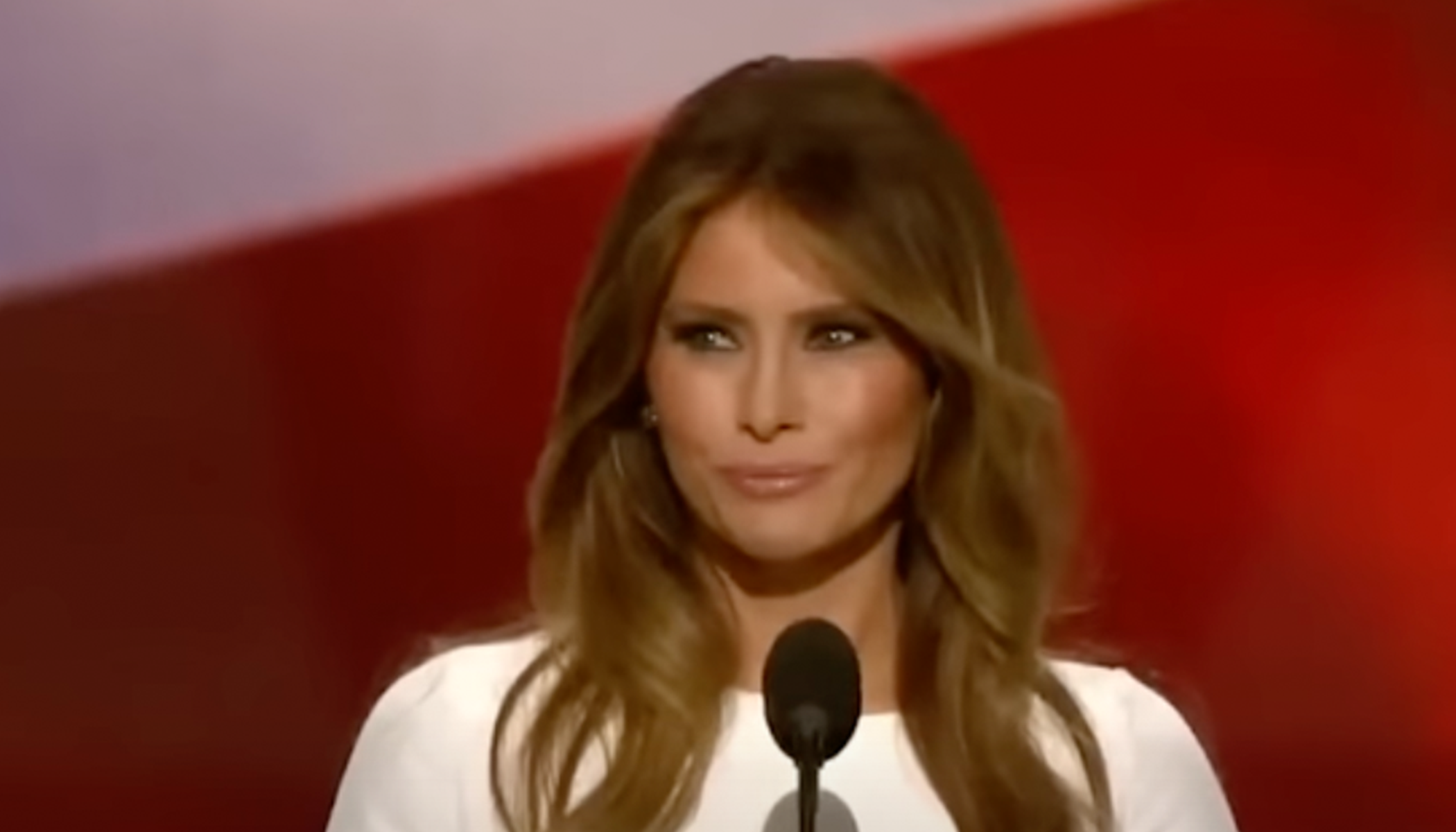
Melania Trump just made history at the United Nations, but the headlines aren't telling the whole story. While most of the media is fixated on the geopolitical firestorm in the Middle East, the First Lady stepped into a role no presidential spouse has ever held before. She didn't just attend a meeting; she took the gavel. On March 2, 2026, Melania Trump became the first sitting U.S. First Lady to preside over a United Nations Security Council session.
The timing couldn't be more tense. As she opened the session titled "Children, Technology, and Education in Conflict," the U.S. was actively involved in military strikes in Iran. This wasn't a soft-focus photo op. It was a high-stakes diplomatic tightrope walk where the language of "Be Best" met the hard reality of 21st-century warfare.
Breaking the First Lady Mold at the Security Council
Usually, the Security Council is the domain of ambassadors and cabinet secretaries. It’s where the "hard power" lives. By taking the chair, Melania Trump shifted the optics of the U.S. presidency. Her office framed this as a move to emphasize education as a tool for world peace, but critics aren't buying the altruism.
Iran’s UN ambassador, Amir Saeid Iravani, didn't hold back. He called the meeting "deeply shameful and hypocritical," pointing to reports of an airstrike on a girls' school in southern Iran that allegedly killed 165 people. The U.S. military is investigating, and Israel has denied involvement, but the shadow of those reports hung over the entire chamber.
Melania’s response was characteristically composed. She didn't name the conflict. She didn't get into the weeds of military strategy. Instead, she offered "heartfelt condolences" to the families of fallen service members and told the world’s children, "I hope soon peace will be yours." It was a classic Melania move: stay above the fray, focus on the "motherly" concern, and let the diplomats behind her handle the fire.
Why Education is the New Battlefield
During the session, the First Lady leaned heavily into the idea that "peace does not need to be fragile." Her argument is simple: if you want to stop wars tomorrow, you have to change how kids learn today. She pushed for a global pledge to safeguard learning and mentioned how artificial intelligence is "democratizing knowledge."
Here is the logic she laid out:
- Knowledge vs. Ignorance: She argued that children raised in "cultures of intelligence" develop empathy, while those in "cultures of ignorance" become rigid thinkers who embrace prejudice.
- Technology as a Bridge: She advocated for unrestricted technology access, suggesting that AI can bridge the gap for kids in remote or war-torn regions who can't attend traditional schools.
- The Cost of Exclusion: She called education a fundamental human right, noting that when societies exclude segments of their population (like girls in certain regimes), they only realize a fraction of their potential.
It’s a vision that sounds great on paper, but it runs into a massive wall of political reality. While she was advocating for technology access, her husband’s administration has been busy cutting funding to the very UN agencies that protect children in conflict, including UNICEF. You can’t build a "bridge of technology" if you’re cutting the power lines.
The Take It Down Act and Be Best 2.0
This UN appearance wasn't a one-off. It’s part of a broader, more aggressive push for her "Be Best" initiative in 2026. Melania has actually seen some legislative wins lately that give her more "street cred" in this area than she had during the first term.
In May 2025, President Trump signed the "Take It Down Act" into law. This was a significant win for the First Lady. The law specifically targets and punishes the nonconsensual sharing of explicit imagery—essentially a federal crackdown on "revenge porn" and digital abuse. She’s also launched a "Presidential Artificial Intelligence Challenge" for students.
She's trying to move "Be Best" from a vague set of goals to a concrete policy framework. By bringing these themes to the UN, she's attempting to internationalize her platform. She’s no longer just talking about "being kind" on Twitter; she’s talking about the "infrastructure of understanding" through global tech standards.
The Contradiction Nobody Wants to Talk About
If you’re looking for the real tension here, it’s the "Board of Peace." While Melania is sitting in the UN Security Council, Donald Trump has been vocal about his disdain for the institution. He’s already started moving diplomatic weight toward his "Board of Peace" in Washington, an entity designed to bypass the UN’s perceived bureaucracy.
This creates a "good cop, bad cop" dynamic on a global scale. The President threatens to withdraw from UN agencies and labels the organization a failure, while the First Lady takes the gavel in the Security Council to talk about "moral clarity."
Observers like Daniel Forti from the International Crisis Group point out that most Council members are "playing nice" with Melania because they don't want to risk their relationship with the White House. But behind the scenes, there's deep skepticism. They see her presence as a symbolic gesture intended for social media, rather than a shift in actual U.S. foreign policy.
What to Watch for Next
Don't expect the First Lady to disappear back into the East Wing after this. This UN appearance marks a shift toward a more "diplomatic" Melania who is willing to step into traditionally male-dominated power structures.
If you want to track the actual impact of this meeting, look at these three things:
- UNICEF Funding: Watch if the U.S. restores any of the cut funding to child-focused UN programs. If the money doesn't follow the rhetoric, the speech was just theater.
- AI Standards: See if the "Presidential AI Challenge" starts partnering with international tech firms to provide the "unrestricted access" Melania called for.
- The Iran Investigation: The outcome of the investigation into the girls' school strike will either vindicate her call for child protection or make her "condolences" look like empty political cover.
The best way to stay informed is to follow the official UN Security Council briefings rather than just the White House press releases. The gap between the two usually contains the truth.