The Metropolitan Museum of Art is currently executing a logistical and diplomatic maneuver that far exceeds a standard museum loan. By transporting a massive collection of its most prized historical jewelry from Fifth Avenue to Hong Kong, the institution is signaling a permanent shift in where the art world’s center of gravity—and its funding—actually resides. This isn't just an exhibition for the public to admire gold and gemstones. It is a strategic deployment of cultural capital into a region that now dictates the liquidity of the global luxury market.
New York is no longer the sole gatekeeper. For decades, the Met functioned as the ultimate arbiter of taste, keeping its most significant treasures within the confines of Manhattan. However, as Western museum budgets face mounting pressure and donor demographics shift, the decision to debut a "glittering global exhibition" in Hong Kong is a calculated business move. It addresses the reality that the next generation of billionaire patrons and high-net-worth collectors is increasingly concentrated in the East.
The Logistics of Moving a Fortune
Moving several hundred pieces of priceless jewelry across the Pacific is a nightmare of insurance premiums and security protocols. Each item, some dating back millennia, requires climate-controlled environments that cannot fluctuate by even a fraction of a degree. But the technical difficulty is secondary to the political optics.
Hong Kong has faced years of skepticism regarding its status as a premier global hub. By choosing this specific location for a major debut, the Met is effectively endorsing the city’s continued relevance in the art trade. This move follows a pattern where major auction houses like Christie’s and Sotheby’s have doubled down on their Hong Kong headquarters. The museum isn't just showing art; it is following the money trail left by private equity and real estate moguls who view jewelry not just as ornament, but as a portable, high-value asset class.
Why Jewelry Is the Perfect Diplomatic Tool
Jewelry occupies a unique space in the art world. Unlike a massive oil painting or a fragile marble sculpture, jewelry is inherently international. A gold necklace from the Hellenistic period shares a visual language with Mughal craftsmanship or Qing Dynasty adornments. This universality makes it the ideal "soft power" export.
The Met is using these objects to bridge cultural divides that have become increasingly strained. When a museum sends its "crown jewels" to another continent, it is a gesture of extreme trust. It also serves as a massive advertisement for the museum’s brand in a market where "The Met" needs to be as recognizable as Louis Vuitton or Cartier. The exhibition focuses on the craftsmanship that spans five thousand years, intentionally highlighting the contributions of Asian artisans alongside Western masters. This avoids the trap of cultural paternalism, framing the exhibition instead as a peer-to-peer exchange between the old world and the new economic powerhouse.
The High Cost of Cultural Relevance
Maintaining a global footprint is expensive. The Met’s operating budget requires constant infusions of capital, and the traditional New York donor base is maturing. The Hong Kong exhibition serves as a massive gala on a regional scale. It provides an opportunity for the museum to engage with Asian philanthropists who want their names associated with prestigious Western institutions.
Critics might argue that the museum is "renting out" its prestige. There is a fine line between a scholarly exhibition and a high-end promotional tour. If the Met becomes too dependent on these international blockbusters to balance its books, it risks compromising its mandate to preserve and protect art for the public good rather than for private interests. Yet, the reality of modern museum management is that the "public" is now global. Staying relevant means being visible in the places where the world's wealth is being minted.
The Security Industrial Complex
The sheer scale of the security required for this exhibition is staggering. We are talking about armored transport, satellite tracking, and a small army of private security contractors. The insurance valuation for a collection of this magnitude is a closely guarded secret, but it likely reaches into the billions. This creates a secondary economy around the exhibition—logistics firms, specialized insurers, and high-tech display manufacturers all benefit from the Met's decision to travel.
The display cases themselves are marvels of engineering. They must be shatterproof, alarm-integrated, and aesthetically invisible. In Hong Kong, where space is at a premium and the density of the city creates unique security challenges, the installation process is a masterclass in risk management. This isn't just about putting things on velvet cushions; it's about creating a temporary fortress inside a gallery.
A New Model for Global Museums
The Met’s move suggests that the era of the "encyclopedic museum" sitting statically in one building is over. We are seeing the rise of the "liquid museum," an institution that can package its expertise and its archives into nomadic experiences that travel to where the audience is.
This model has its detractors. Some purists believe that the core collection should remain in its home city, accessible to the local community that supports it through taxes and local donations. But a necklace sitting in a dark vault in New York does no one any good. Bringing it to Hong Kong exposes it to millions of people who might never fly to JFK. It also forces the museum to rethink its narratives. In New York, a piece of jewelry might be framed through the lens of Western art history. In Hong Kong, that same piece must be interpreted in a way that resonates with a local audience that has its own deep, ancient relationship with gold and jade.
The Hidden Influence of the Jewelry Houses
One cannot ignore the shadow of major commercial jewelry houses over an event like this. While the Met is a non-profit institution, the crossover between museum-grade historical pieces and the modern luxury market is undeniable. High-end brands often sponsor these exhibitions, creating a halo effect for their current collections.
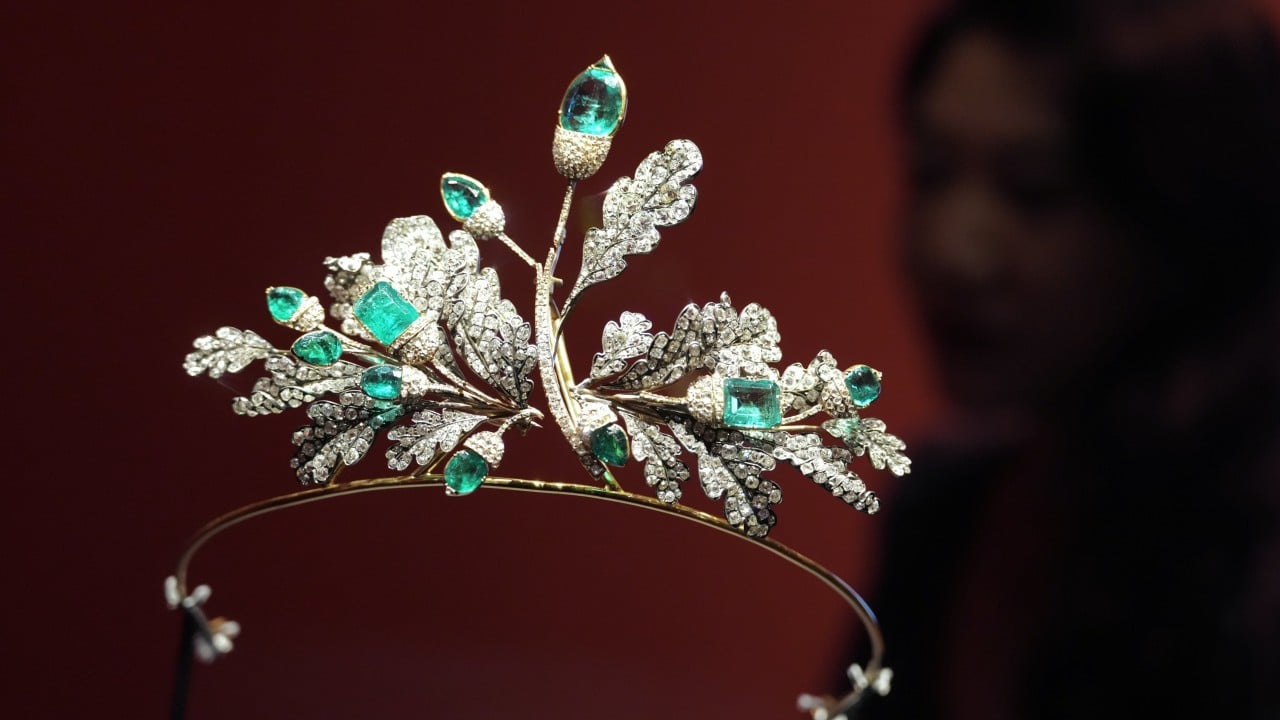
When a visitor sees a 19th-century diamond tiara in a museum setting, it validates the entire concept of high jewelry as an investment and an art form. This, in turn, fuels the retail market in Hong Kong’s luxury shopping districts. It is a symbiotic relationship. The museum provides the historical pedigree, and the commercial sector provides the funding and the audience. While the Met maintains editorial control over the scholarship, the commercial implications are impossible to ignore.
The Shift in Collector Psychology
We are witnessing a change in how the world’s wealthiest individuals interact with art. In the past, a collector might buy a painting to hang in a private library. Today’s collectors in the Asia-Pacific region are often more interested in assets that are mobile and cross-cultural. Jewelry fits this profile perfectly.
By showcasing its collection in Hong Kong, the Met is educating a new class of collectors on the history and "provenance" that makes an object valuable. This is a long-term play. If the Met can establish itself as the authority on what makes jewelry "important," it ensures that when these collectors decide to donate their own acquisitions or provide funding for new wings, they will look toward Fifth Avenue.
The Risks of Dislocation
There is always a risk when items of this significance leave their home. Beyond the physical dangers of travel, there is the risk of cultural misinterpretation. An exhibition that works in Manhattan might fall flat if it doesn't account for the specific historical sensitivities of an Asian audience.
However, the Met has invested heavily in curators who understand these nuances. The exhibition is not a "best of" tour; it is a curated narrative that explores the human impulse to adorn. By focusing on the "global" aspect, the museum is trying to find a common thread that transcends current geopolitical tensions. It is a gamble that art can remain a neutral ground even as trade wars and diplomatic disputes simmer in the background.
The success of this Hong Kong debut will be measured not just in ticket sales, but in the new partnerships the Met forms in the region. If the museum can turn this exhibition into a gateway for long-term Asian philanthropy, it will have secured its financial future for another generation. The jewels are the bait, but the prize is a permanent seat at the table of the new global elite.
The days of a museum being a quiet sanctuary for local scholars are long gone. The Met is now a multinational brand, and like any brand, it must defend its market share by showing up where the growth is. Hong Kong is just the beginning of a much larger movement to decenter the Western art establishment and follow the flow of capital to its new home.
The spectacle of the exhibition provides a necessary distraction from the cold reality of the art business. While the public marvels at the sparkle of 18-karat gold, the real work is happening in the private lounges and high-security backrooms where the future of the Met’s endowment is being negotiated. Jewelry is simply the most beautiful way to conduct an international business transaction.