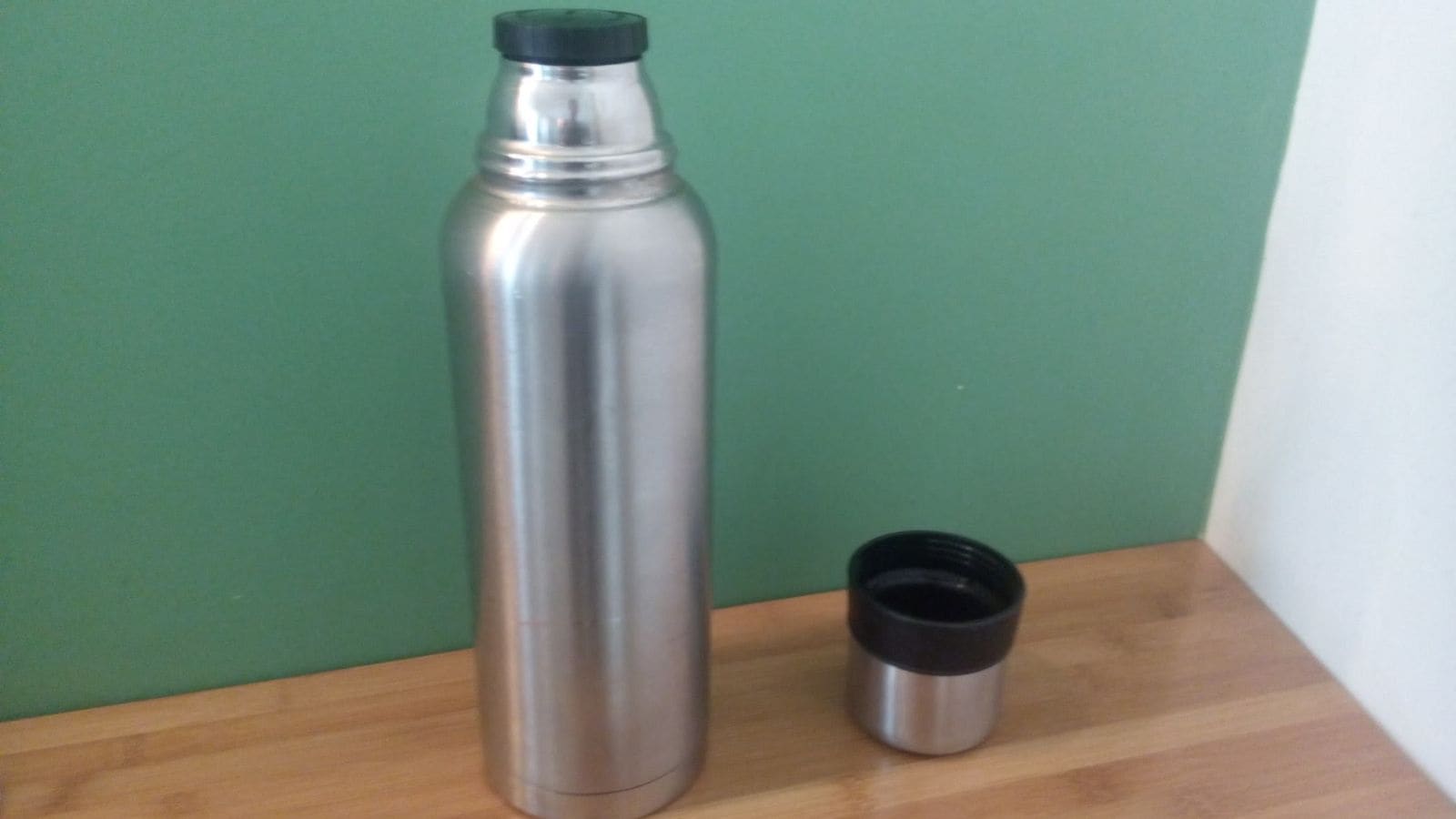
The kitchen is quiet at 6:00 AM. It is a space defined by muscle memory—the click of the electric kettle, the scent of dark roast, the heavy ceramic weight of a favorite mug. For millions of parents, commuters, and hikers, that morning ritual involves a Thermos. We trust these steel vessels. They are the utilitarian anchors of our day, promised to keep things hot, cold, and, above all, contained.
But for some, that quiet ritual was shattered by the sound of snapping plastic and the sudden, jagged reality of a safety failure.
Thermos L.L.C. recently initiated a massive recall involving over eight million units of its stainless steel food jars and hydration bottles. This isn’t a minor clerical error or a smudge on the logo. It is a response to a fundamental mechanical breakdown that transforms a lunchbox staple into a genuine hazard.
The Mechanics of a Breaking Point
To understand the scale of this, you have to look at the anatomy of the lid. Imagine a father packing a warm soup for his daughter’s school lunch. He twists the lid shut, confident in the vacuum seal. What he cannot see is the structural integrity of the "flip-top" mechanism or the specific lid assemblies on these models.
Under certain conditions—often involving the pressure of hot liquids or simple repetitive stress—the plastic components of the lid can fail. When they do, they don't just crack. They burst.
The recall specifically targets certain 12-ounce and 16-ounce models sold across major retailers like Walmart, Target, and Amazon. The issue lies in the lid’s propensity to break, potentially sending small plastic shards or even the metal components of the locking mechanism flying. In some reported cases, the failure occurred while the user was taking a drink, leading to injuries that range from minor cuts to more significant impact trauma.
Consider the physics. A vacuum-sealed container holds a specific amount of internal pressure. If the ceiling of that pressure—the lid—is compromised by a manufacturing defect, the release isn't gradual. It’s an eruption.
The Numbers Behind the Safety Net
Eight million is a staggering number. It represents a logistical nightmare for the manufacturer and a widespread risk for the consumer. According to reports filed with the Consumer Product Safety Commission (CPSC), the company received dozens of injury reports before the full scale of the recall was established.
This isn't the first time a household name has had to pull products from shelves, but the sheer volume here suggests a systemic issue in the production of these specific lid assemblies. The affected models include the widely popular Funtainer bottles and several lines of vacuum-insulated food jars. For a brand that built its entire identity on the concept of "unbreakable" glass-to-steel evolution, this is a moment of deep vulnerability.
We often view our possessions as static objects. We buy a bottle, we wash it, we use it. We assume it will exist in its current state forever. But materials fatigue. Chemicals in dishwashers can weaken certain polymers over hundreds of cycles. When a design doesn't account for the extreme end of that wear and tear—or when a batch of plastic isn't up to spec—the object becomes a ticking clock.
Identifying the Risk in Your Cabinet
If you are standing in your kitchen now, looking at a row of insulated bottles, the uncertainty is the most frustrating part. How do you know if your specific jar is part of the eight million?
The identification process is technical but necessary. You have to look at the base of the product. Every Thermos has a series of markings. The recalled units are generally identified by specific model numbers and date codes. For example, if you see "Model F401" or similar identifiers on the bottom of a 12-ounce Funtainer, you need to stop using it immediately.
The company has set up a dedicated microsite and a toll-free number to handle the influx. They aren't asking you to throw the whole bottle away. In most cases, the remedy is a replacement lid. It seems like a small fix, but in the world of product safety, a few millimeters of redesigned plastic is the difference between a safe lunch and a trip to the emergency room.
The Invisible Stakes of Manufacturing
There is a hidden tension in the world of mass production. On one side, you have the drive for affordability and lightweight materials. On the other, you have the rigid requirements of safety and durability. When those two forces collide, the consumer is the one who feels the impact.
When we talk about "product recalls," the language is often sanitized. We hear about "compliance," "voluntary action," and "consumer satisfaction." But the reality is more visceral. It’s the sound of a lid snapping while a toddler is holding it. It’s the sharp sting of a plastic fragment. These are the human costs that don't always make it into the corporate press release.
The reality of modern logistics means that these eight million units are scattered everywhere—from the bottom of hiking packs in the Pacific Northwest to the lunch bags of elementary students in Florida. Reclaiming them is an almost impossible task. The company can announce the recall, but they cannot walk into every home and take the bottle out of the cupboard.
That responsibility falls to us. We have to be the final line of defense in our own homes.
The Weight of a Brand's Promise
Trust is a fragile thing, much like the plastic in those lids. It takes decades to build and a single catastrophic failure to dismantle. For over a century, Thermos has been the gold standard. They survived the transition from fragile glass liners to rugged stainless steel. They became a generic trademark—a word we use for any insulated flask, regardless of who made it.
This recall is a reminder that no brand is "too big to fail" when it comes to the basic laws of engineering. It forces us to look closer at the things we take for granted. It suggests that even our most reliable tools require a second glance.
Imagine the manufacturing floor where these lids were produced. Thousands of them rolling off a belt every hour. A slight shift in temperature in the injection molding machine, a minor impurity in the resin, or a design flaw that looked fine on a computer screen but failed in the real world—any of these could be the culprit.
The fix is simple: a new lid, a reinforced design, a better seal. But the process of getting those millions of replacement parts into the hands of the public is a marathon.
The next time you reach for that bottle to fill it with coffee or soup, pause. Flip it over. Check the numbers. It is a small, mundane act of vigilance. But in a world where the objects we rely on can suddenly turn against us, that five-second check is the only thing that keeps the morning routine as quiet and safe as it was meant to be.
The steel remains cold, the coffee stays hot, and the lid—hopefully, finally—stays in one piece.