The air in Baltimore on the third Saturday in May smells of crab cakes, diesel exhaust, and wet dirt. If you stand near the old grandstand at Pimlico Race Course just as the morning fog lifts, you can hear it. Not the crowd. Not yet. It is the rhythmic, thundering heartbeat of half-ton Thoroughbreds striking the track. It is a sound that gets inside your chest and stays there.
We treat horse racing like a spreadsheet. We look at the past performances, the speed figures, the track variants, and the betting slip percentages. The standard guides will tell you the cold mechanics of the 2026 Preakness Stakes. They will neaten it up into a checklist: NBC will broadcast it, the gates fly open just after 6:30 PM Eastern Time, and a handful of three-year-olds will run 1 3/16 miles for a multi-million dollar purse.
But spreadsheets do not bleed, and they do not sweat.
To understand the Preakness, you have to understand the human hands that hold the reins and the quiet desperation that drives them. This is not the Kentucky Derby, with its mint juleps and high-society preening. Pimlico is gritty. It is raw. It is the middle child of the Triple Crown, caught between the idealized romance of Churchill Downs and the brutal, marathon test of the Belmont Stakes.
Here, the stakes are invisible, but they are massive.
The Weight of Two Minutes
Consider a groom named Luis. He is not a millionaire owner or a hall-of-fame trainer. He wakes up at 4:00 AM every single day of the year to muck stalls, wrap legs, and whisper to a nervous colt who weighs twelve times what he does. For Luis, the Preakness is not a weekend party. It is the culmination of thousands of hours of quiet, dangerous labor. One wrong step by a horse in the morning dew, one misjudged fraction of an inch, and the dream evaporates.
The public watches the race for two minutes. Luis lives it every second.
When the horses load into the starting gate on May 16, the tension is suffocating. The noise of Old Hilltop—the historic nickname for this weathered track—rises to a fever pitch. Jockeys sit poised in stirrups no bigger than their boots, their hearts hammering at 180 beats per minute. They are about to pilot a fragile, explosive animal at forty miles per hour down a narrow lane of dirt, surrounded by rivals who want the exact same patch of ground.
That is the reality behind the television screen. When you tune in to NBC or log onto Peacock to watch the live coverage, look past the bright silks of the jockeys. Look at their faces when they come back down the stretch. They are caked in mud, eyes wide, breathing as hard as the athletes beneath them.
Decoding the Board
People often ask how to find a winner in a race like this. They want a secret formula. They look at the morning line favorites and assume the math is infallible.
It is not.
Betting on the Preakness is less about mathematics and more about psychology. You are trying to read the minds of animals and the men who train them. The Kentucky Derby winner always arrives with a target on its back, carrying the immense pressure of a potential Triple Crown. That horse is tired. It ran a brutal, twenty-horse race just two weeks prior.
Now look at the "new shooters"—the horses that skipped the Derby to wait specifically for Baltimore. Their trainers are predatory. They saw a vulnerability, and they chose to strike here.
Preakness Stakes Quick Reference
┌──────────────────────┬───────────────────────────┐
│ Post Time (approx.)  │ 6:50 PM EDT               │
├──────────────────────┼───────────────────────────┤
│ Television Network   │ NBC                       │
├──────────────────────┼───────────────────────────┤
│ Streaming Platform   │ Peacock                   │
├──────────────────────┼───────────────────────────┤
│ Track Distance       │ 1 3/16 Miles (9 Furlongs) │
└──────────────────────┴───────────────────────────┘
The track at Pimlico plays differently than Churchill Downs. It has tighter turns. The homestretch is shorter. A horse cannot sit back, relax, and wait for a casual run at the end. It requires tactical speed. A jockey must make a definitive choice before they hit the far turn: commit to the inside rail and risk getting blocked, or swing wide into the path of flying dirt and lose precious ground.
The Ghost in the Grandstand
There is a vulnerability to Pimlico that you do not find at modern, sterile stadiums. It is old. The paint is peeling in places. The history is thick enough to choke on. Secretariat ran here. Man o' War stomped this dirt.
When you place a wager, whether you are standing in line at a brick-and-teller window or using an app on your phone from a couch in Ohio, you are participating in a century-old theater. The odds blink in bright neon pink and green on the old infield tote board, shifting every time a hundred dollars moves the market.
The favorites carry the public's money, but the smart money watches the coat of the horse in the paddock. Is the animal washing out? Is there white sweat building between its hind legs, signaling that the pressure of the crowd has broken its composure? Or is it walking with a loose, swinging stride, head low, eyes locked on the track?
You can learn everything you need to know about a horse's chances by looking at its ears. If they are pinned back, the animal is angry, fighting the environment. If they are pricking forward and backward, it is listening to its rider, waiting for the cue to explode.
The Turn for Home
As the sun begins to dip below the grandstand roof, casting long, dramatic shadows across the track, the Woodlawn Vase is brought out under armed guard. It is the most valuable trophy in American sports, a silver masterpiece created by Tiffany & Co. before the Civil War. It represents immortality in a sport that usually forgets its heroes by next season.
The gate crew steps away. The track announcer takes a breath.
Then, the bell.
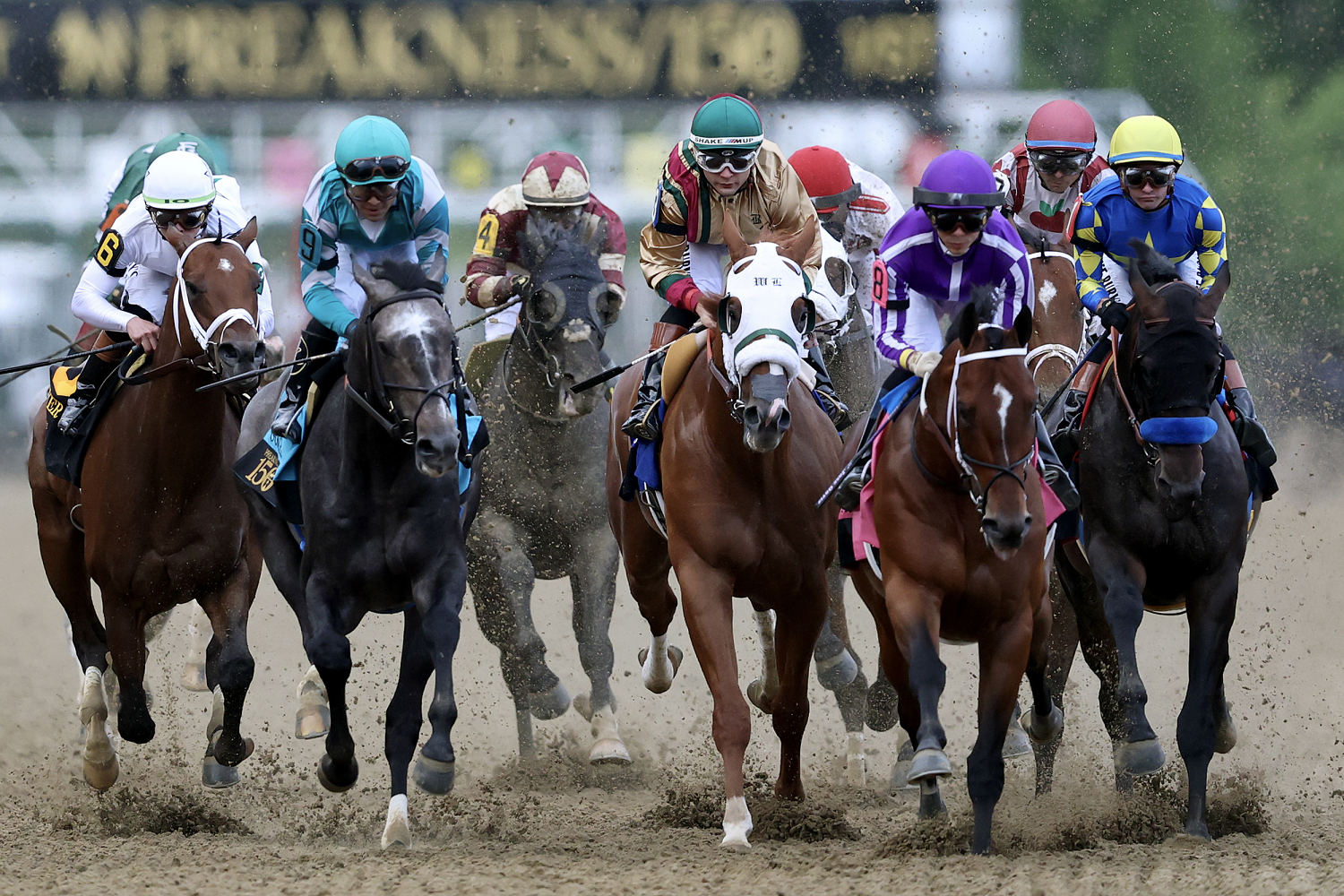
It is a sudden, violent eruption of color and dirt. The short run to the first turn causes an immediate scramble for position. You can hear the jockeys shouting at each other, a raw, unfiltered chorus of warnings and commands over the drumming of hooves.
By the time they hit the backstretch, the race settles into its true narrative. It becomes a test of lung capacity and willpower. The frontrunners try to steal away with the lead, nursing their energy. The closers begin their long, sweeping moves from the back of the pack.
As they turn for home, the noise of tens of thousands of people merges into a singular, vibrating roar. The mud flies high. The whips come down. It is a beautiful, terrifying spectacle of pure athletic desire.
When the winner crosses the wire, a blanket of yellow black-eyed Susans is draped over the horse's shoulders. The owner will give a speech. The jockey will lift a whip in triumph. But if you look closely into the unsaddling enclosure, you will see someone like Luis step forward. He will take the halter, wipe the sweat from the horse's eyes, and lead the animal back to the quiet barn, far away from the cameras and the flashing lights, where the dirt is still wet and the real world waits.