The air in Tsim Sha Tsui doesn’t just carry the scent of salt water and roasted goose; lately, it carries the weight of expectation.
Walk down Canton Road at twilight. You will see them. They aren't the frantic, flag-following tour groups of a decade ago. These are the "new pilgrims." They carry limited-edition shopping bags like holy relics, but their eyes are fixed on something beyond the storefront glass. They are here because Hong Kong has decided to stop being a mere shopping mall and start being a stage.
For a few years, the narrative surrounding this city was one of quietude, perhaps even a slow fading. People whispered that the glitter had moved to Singapore or retreated to the boutiques of Shanghai. They were wrong. What we are witnessing right now isn't just a recovery; it is a calculated, multi-billion-dollar bet on the human desire to be moved.
The Architecture of a Comeback
Luxury is a fickle beast. It doesn't respond well to desperation. When the Hong Kong government and private titans began pouring resources into "mega-events"—Art Basel, high-octane sevens rugby, and exclusive fashion showcases—they weren't just trying to fill hotel rooms. They were rebuilding an aura.
Consider a hypothetical traveler named Elena. She lives in Hangzhou. She can buy a Chanel handbag on her phone in thirty seconds. She can visit a gleaming mall ten minutes from her apartment. Why, then, does she book a flight, navigate the high-speed rail, and check into a suite overlooking the Star Ferry?
She does it because Hong Kong is offering her something the internet cannot: the electricity of the "now." When Louis Vuitton stages a runway show against the backdrop of the city skyline, the clothes are almost secondary. The product is the memory of the wind off the water, the celebrity sightings, and the feeling of being at the literal center of the cultural map.
Elena represents the shift from "transactional tourism" to "experiential investment." The luxury brands know this. They aren't just betting on her credit card; they are betting on her FOMO—the fear of missing out on a city that has rediscovered its volume.
The Mathematics of Glamour
The numbers provide the skeleton for this story, even if the glamour provides the skin.
During the recent peak event seasons, foot traffic in major luxury hubs saw double-digit increases. But look closer at the data. The spend-per-head is shifting. While the sheer volume of visitors is a vital metric, the real victory for Hong Kong lies in the "high-net-worth" segment. These individuals don't just buy a watch; they dine at three-Michelin-starred landmarks like Caprice or Lung King Heen. They stay longer. They occupy the penthouses that sat dusty during the quiet years.
- The Mega-Event Multiplier: For every dollar spent on a ticket to a high-profile art or sporting event, an estimated five to seven dollars circulate into the local economy via ancillary luxury services.
- The Regional Pivot: With mainland China’s luxury appetite remains resilient despite economic headwinds, Hong Kong serves as the "neutral ground" for indulgence—a place that feels international yet familiar.
- The Hospitality Rebound: Hotel occupancy rates in the five-star sector have clawed back to pre-2019 levels during event windows, often commanding premiums that would have seemed impossible twenty-four months ago.
But numbers are cold. They don't capture the frantic energy behind the scenes at a Dior pop-up or the way a concierge at the Peninsula maneuvers to secure a table for a guest who just flew in from Dubai.
The Invisible Stakes
Why does this matter so much? Because Hong Kong is fighting for its soul.
For over a century, this city was the world’s middleman. It was the place where East met West to trade tea, then textiles, then stocks. In the digital age, being a middleman is a death sentence. You have to be a destination. You have to be a protagonist.
The "invisible stakes" are the livelihoods of the thousands of people who make the luxury machine hum. It’s the tailor in Wan Chai who sees a surge in orders when a global finance summit rolls into town. It’s the gallery assistant who stays up until 3:00 AM hanging canvases for a Swiss collector. If the "mega-event" strategy fails, Hong Kong doesn't just lose money; it loses its relevance.
It is a high-wire act. If the city becomes too expensive, it alienates the very energy that makes it vibrant. If it becomes too focused on events, it risks becoming a theme park.
The Sensory Strategy
The brands are getting smarter. They’ve realized that a storefront is just a box unless it tells a story.
Walking through Landmark in Central, you notice the shifts. It’s no longer just about the products on the shelves. It’s about the scent diffused through the vents, the curated playlists, and the "private salons" where the real business happens over vintage Pu-erh tea. They are weaponizing the five senses to create an environment where spending $50,000 feels not like an extravagance, but like a natural conclusion to a beautiful day.
This is the "Human Centric" model of commerce. We are social animals. we want to be where the people are. We want to see the lights reflect off the harbor while we sip something expensive. We want to feel like we are part of a moment that will never happen exactly this way again.
The strategy is working because it taps into a post-isolation hunger. We spent years staring at screens, buying things in our sweatpants. The "well-heeled tourists" flocking to Hong Kong are over the convenience of the internet. They want the inconvenience of a crowded, beautiful, loud, smelling, shimmering city.
The Friction of Success
Of course, it isn't all silk and champagne. There is a tension in the air.
Local residents often find themselves squeezed by the very success the city craves. The influx of high-spenders drives up costs, turns quiet neighborhoods into "content backdrops," and puts a strain on infrastructure. The challenge for the next five years isn't just attracting more tourists; it's ensuring the city remains livable for the people who actually provide the "authentic" soul the tourists come to see.
A city that is only for the "well-heeled" eventually becomes hollow. The magic of Hong Kong has always been the juxtaposition—the lady in the silk dress eating fish balls at a street stall next to a construction worker. If the luxury boom erases that friction, the "mega-events" will eventually feel like staged plays in an empty theater.
The New Horizon
As the sun sets over the Kowloon side, the skyline begins its nightly performance. The red-sailed junk boats cross the water, a deliberate nod to a past that refuses to stay in the history books.
The luxury brands are betting on growth because they see what the skeptics missed: Hong Kong is a survivor. It has a peculiar, stubborn ability to reinvent itself just when the world is ready to write its obituary.
The tourists aren't just coming for the events. They are coming to see if the legend is true. They are coming to see if a city can really lose its breath and then find it again, stronger and more rhythmic than before.
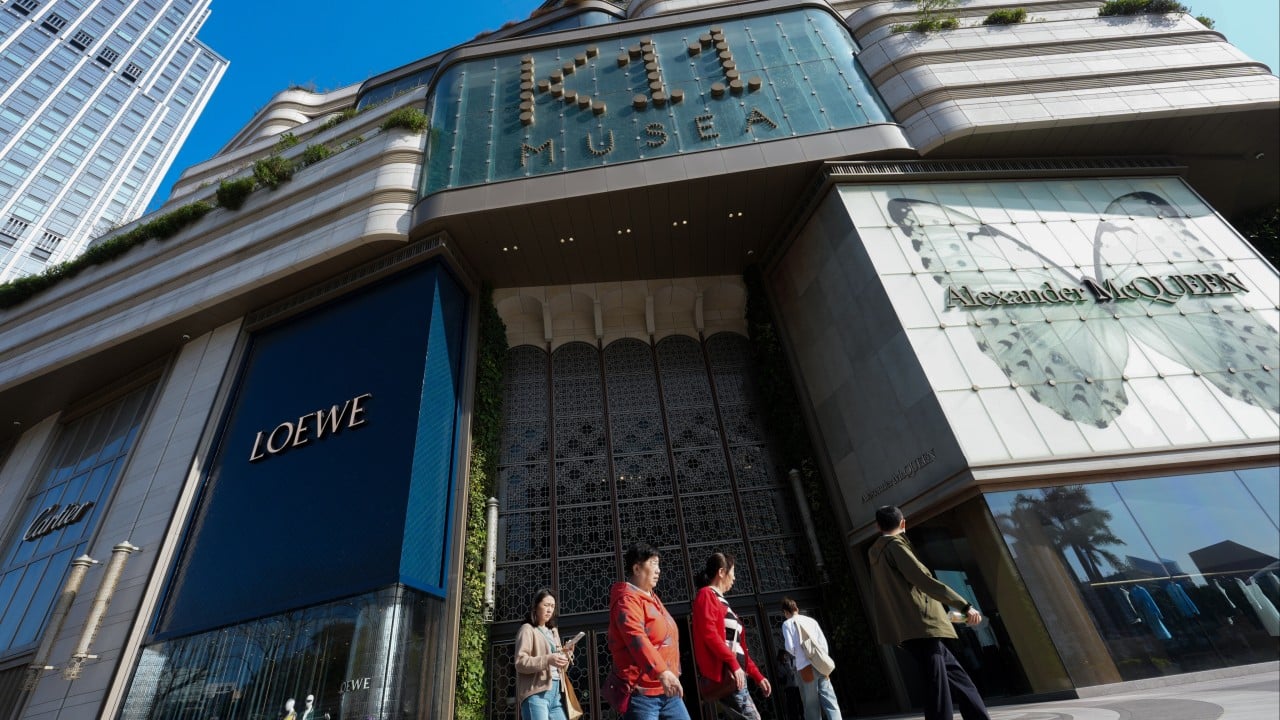
The shop doors swing open. The lights of the K11 Musea flicker to life. A young woman from Singapore steps out of a taxi, looks up at the towering glass and steel, and smiles. She isn't thinking about GDP or regional logistics. She is thinking about the dress she saw in the window and the way the city feels like it’s vibrating under her feet.
In that vibration lies the future. Not in a spreadsheet, but in the sharp, inhaled breath of someone seeing the harbor for the first time on a night when everything feels possible.
The neon is bright. The water is deep. The stakes have never been higher.