The sound is not what you expect. It isn’t a cinematic boom or a clean, synthesized crash. It is a tearing sensation, a physical ripping of the atmosphere that vibrates in the marrow of your teeth. In Beirut, they call it the "in-between." It is that fraction of a second after the whistle of a descending missile fades and before the earth decides to heave.
On Day 18, the in-between has become the only clock that matters. If you enjoyed this article, you might want to look at: this related article.
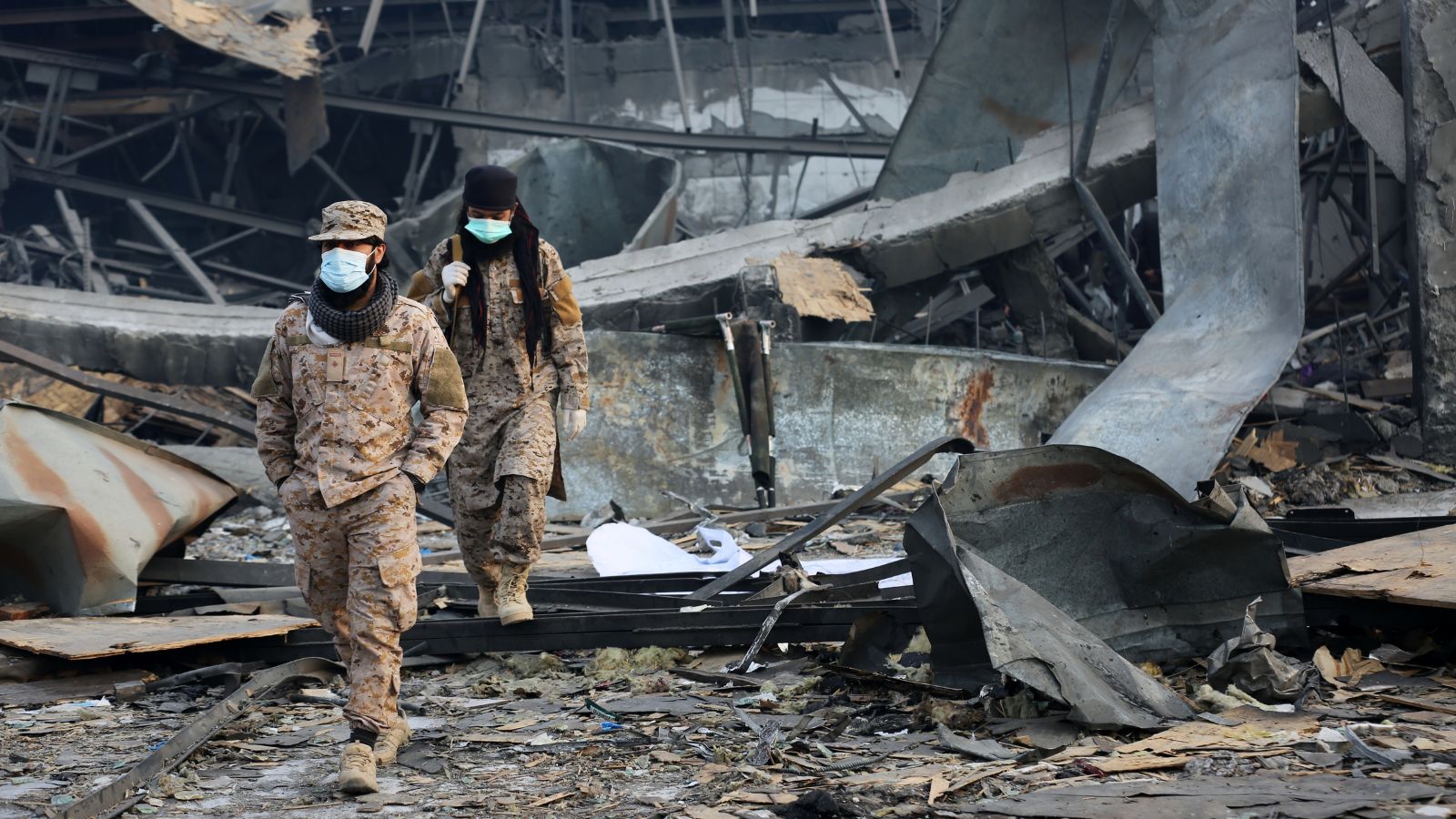
Western headlines track the movement of carrier strike groups and the geometric precision of intercepted drones over Tel Aviv. They speak of "assets" and "attrition." But on the ground, the war between the US-Israel alliance and the Iranian axis is measured in the temperature of a bedroom floor or the specific, metallic taste of pulverized concrete. The geography of the Middle East is no longer a map of sovereign borders. It is a shifting, jagged line of fire that stretches from the subterranean bunkers of Tehran to the blackened husks of residential blocks in the Dahiyeh.
Everything changed when the sky stopped being empty. For another perspective on this event, refer to the recent coverage from Al Jazeera.
The Mathematics of a Falling Sky
Consider the trajectory of a ballistic missile. To a strategist in a windowless room in Virginia or Tel Aviv, it is a parabolic curve, a data point to be neutralized by an Iron Dome or Arrow-3 interceptor. But to a father in the suburbs of Beirut, that curve is the end of a lineage.
As Israel continues its relentless strikes against Lebanese soil, the objective is stated as the dismantling of Hezbollah’s infrastructure. The "cold facts" tell us that thousands of targets have been hit. The human truth is that "infrastructure" often wears a human face. It is the bakery on the corner that no longer exists because a tunnel might have run beneath it. It is the silence of a street where the only sound is the crunch of glass under the boots of those fleeing south—or north—or anywhere the copper glow of the horizon hasn't reached yet.
Iran has responded by widening the aperture. This isn't a bilateral skirmish anymore. It is a regional contagion. From the Houthi-controlled ports in Yemen to the militias in Iraq, the "Ring of Fire" strategy is no longer a theoretical doctrine. It is a lived reality of sirens.
Imagine you are standing on a balcony in Tel Aviv. The city is a masterpiece of modern glass and Mediterranean light. Then, the alarm. It is a physical weight. You have ninety seconds. In those ninety seconds, you aren't thinking about the geopolitical implications of the US-Israel defense pact. You are thinking about whether you grabbed the inhaler. You are thinking about the neighbor’s cat. You are thinking about how a piece of shrapnel the size of a smartphone can rewrite your entire future in the time it takes to draw a breath.
The Invisible Stakes of Tehran
Across the water, the mood in Tehran is a brittle kind of defiance. The headlines say Iran is "stepping up attacks." Behind those words is a nation holding its breath. The strikes on the capital aren't just hitting military depots; they are hitting the psyche of a people who have lived through decades of isolation.
The "invisible stakes" here aren't just about who controls a piece of desert or a maritime corridor. It is about the fundamental collapse of the idea of "elsewhere." In this war, there is no elsewhere. When a drone is launched from the desert of Iraq, its impact is felt in the global price of oil, the anxiety of a shipping clerk in Rotterdam, and the voting patterns of a swing state in America.
The US presence in this conflict is often framed as "support" or "deterrence." In reality, it is a tether. Every American interceptor fired is a thread pulling the Western world deeper into a labyrinth where the exit signs have been painted over. The logistics are staggering. The cost of a single defensive missile can exceed the lifetime earnings of an entire village in the Levant. We are witnessing a war where the economic disparity between the weapon and the target is so vast it borders on the absurd.
The Geography of Dust
We often get the story of war backward. We think it starts with a declaration and ends with a treaty. It actually starts with a suitcase and ends with a ghost.
On Day 18, the displacement figures have reached a tipping point that the human mind isn't built to process. When you read that a million people are on the move, your brain shuts down. It is too many. But if you look at the shoes—the thousands of pairs of discarded, dust-caked shoes lining the roads out of southern Lebanon—the scale becomes intimate.
Those shoes belonged to students who had exams. To laborers who had just paid their rent. To grandmothers who remembered the last war, and the one before that, and the one before that.
The strategy of "striking Beirut and Tehran" simultaneously is designed to create a sense of total vulnerability. It is a psychological siege. By hitting the heart of the "Axis of Resistance" while dismantling its most powerful proxy in Lebanon, Israel is attempting to break the clock of the Middle East and reset it to Year Zero.
But history is a messy engineer.
Pressure doesn't always lead to collapse; sometimes, it leads to crystallization. For every missile that finds its mark, a new narrative is born. These narratives are the "invisible keywords" of the next decade. They are the stories of resentment, of survival, and of the realization that the international order is a thin sheet of ice over a very deep, very cold lake.
The Silence After the Siren
War is loud, but the most terrifying part is the quiet that follows.
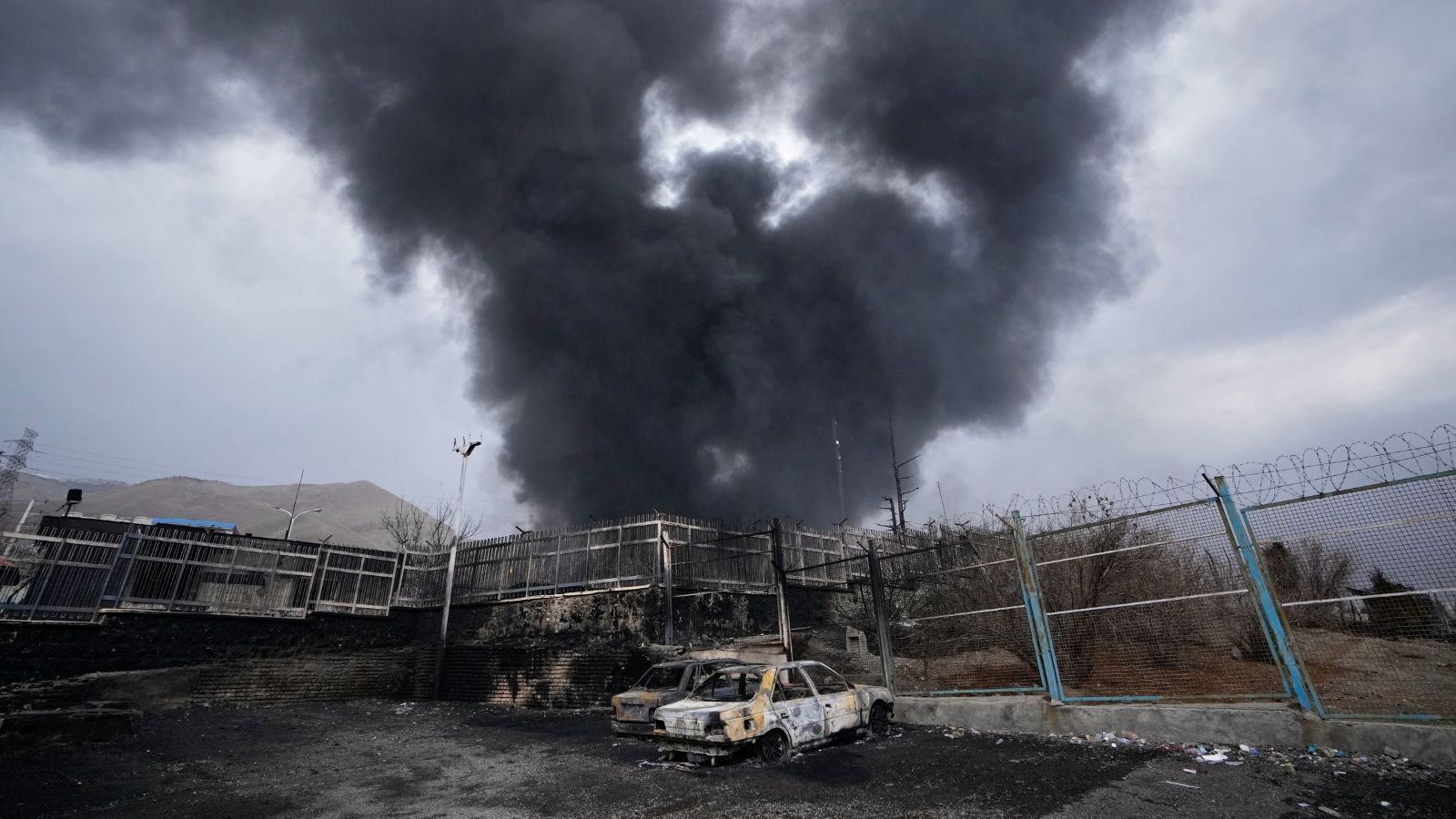
After the smoke clears from a strike in Beirut, there is a moment of absolute, ringing silence. It is the sound of a city trying to remember how to breathe. In that silence, the political rhetoric of "proportionality" and "strategic depth" feels like a foreign language.
The US-Israel alliance argues that these actions are necessary to prevent a larger, more catastrophic nuclear reality. Iran argues that its actions are a defense of regional dignity against a colonial footprint. Both are convinced of their own righteousness. Both are fueled by the certainty that the other side only understands the language of force.
While the titans clash, the ground beneath them is cracking. The regional economy is a scorched field. Education has been replaced by evacuation. The "human-centric narrative" isn't just a story of tragedy; it is a story of the systematic erasure of the mundane. The tragedy isn't just the death; it's the end of the Tuesday afternoon. The end of the routine grocery run. The end of the quiet evening on the porch.
Day 18 has proven that the "Day After" is a myth. There is no day after. There is only the long, grueling "During."
As the sun sets over the Mediterranean, the sky doesn't turn pink or orange. It turns that strange, sickly copper—the color of fire reflected in a haze of dust. You look at your phone. Another alert. Another strike. Another "success" for the military planners.
You go to the window. You check the latch. You wonder if the in-between will be longer or shorter tonight.
The horizon is glowing again.